 Follow Us on Google News
 Follow Us on Google Discover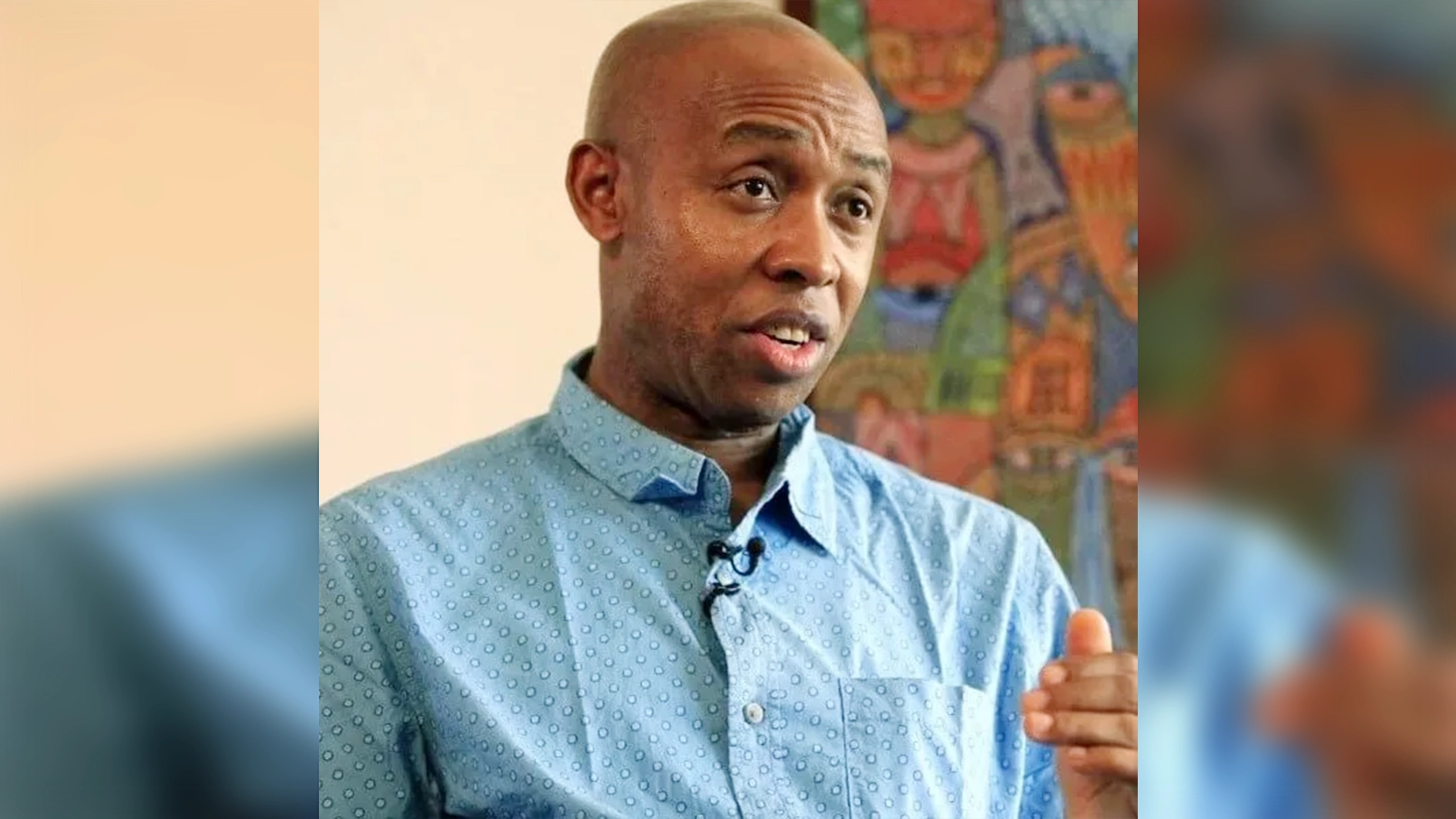
Researcher tasks judiciary on rule of law
A lawyer and human rights advocate, Chidi Anselm Odinkalu, has condemned the judgment delivered by the Federal High Court against Socio-Economic Rights and Accountability Project (SERAP), describing the decision as “corrupt and crooked, deeply flawed and inconsistent with the principles of law.”
The Federal High Court had ordered SERAP to pay N100 million in damages for defamation to the operatives of the State Security Services (SSS).
The court also directed the organisation to publish public apologies and pay litigation costs.
The DSS officials filed the civil suit following SERAP’s September 2024 allegation that operatives unlawfully invaded its Abuja office after the organisation criticised the Nigerian National Petroleum Company Limited over increases in the pump price of Premium Motor Spirit (PMS).
SERAP has, however, appealed the judgment and filed an application for a stay of execution pending the determination of the appeal.
The organisation described the ruling as a “travesty,” arguing that the court relied on defective evidence and committed significant legal and procedural errors.
Reacting to the decision, Odinkalu said: “To call this judgment a travesty is to do injustice to travesties. The facts do not add up to a case in defamation.”
According to him, to the extent that anything was made out, even the evidence by the claimants supports the claim by SERAP that their office was invaded.
Odinkalu said the decision raised serious questions about judicial integrity and adherence to legal standards.
“It is, of course, possible that the judge did not study law or, perhaps, that the judge chose to invent something other than law in this case. But the judgment is corrupt and crooked on the face of the record,” he stated.
Also, SERAP, through its counsel, Tayo Oyetibo (SAN), argued that the ruling was legally defective, procedurally flawed and unsupported by credible evidence.
SERAP also contended that the publications complained of did not specifically identify the claimants and that the trial court relied on defective witness evidence.
Beyond legal technicalities, however, the organisation warned that enforcing the judgment could severely disrupt its operations and undermine its ability to continue human rights interventions and accountability campaigns.
The ruling sparked outrage across Nigeria’s civic and legal communities, with critics warning that the judgment could create a chilling effect on anti-corruption advocacy, human rights work and public-interest journalism.
Amnesty International Nigeria also condemned the judgment, describing it as a dangerous blow to free expression and civic space.
The organisation characterised the suit as a Strategic Lawsuit Against Public Participation (SLAPP), a term commonly used to describe legal actions allegedly designed to intimidate critics and discourage public advocacy.
According to Amnesty International, the judgment risks undermining constitutionally guaranteed rights to freedom of expression, association and civic participation.
“This judgment sends a deeply troubling signal about the state of civic space in Nigeria,” the body said.
The organisation warned that the ruling could embolden the increasing use of defamation suits and civil litigation against activists, journalists and civil society organisations engaged in accountability work.
Amnesty International also argued that public officials and institutions in democratic societies are expected to tolerate higher levels of scrutiny, especially on matters relating to corruption, governance and public accountability.
The organisation further cited Sections 39 and 40 of the 1999 Constitution, which guarantee freedom of expression, peaceful assembly and association, as well as international human rights instruments to which Nigeria is a signatory.
In addition, a coalition of 52 civil society organisations, including ActionAid Nigeria, Media Rights Agenda, Yiaga Africa and Centre for Democracy and Development, issued a joint statement expressing concern over the judgment and the delay in releasing the Certified True Copy (CTC).
The coalition argued that access to judicial decisions is essential for fair hearing, transparency and the effective exercise of appellate rights.
Also reacting, a legal researcher, Anietie Ewang, called on the Nigerian judiciary to safeguard democratic accountability and sustain public confidence in the rule of law.
Ewang said judicial authorities must ensure transparency, uphold due process, and protect constitutional and internationally guaranteed human rights as the appeal process continues.
“The Nigerian judiciary has a critical role to play in safeguarding democratic accountability and public confidence in the rule of law,” Ewang said.

