 Follow Us on Google News
 Follow Us on Google Discover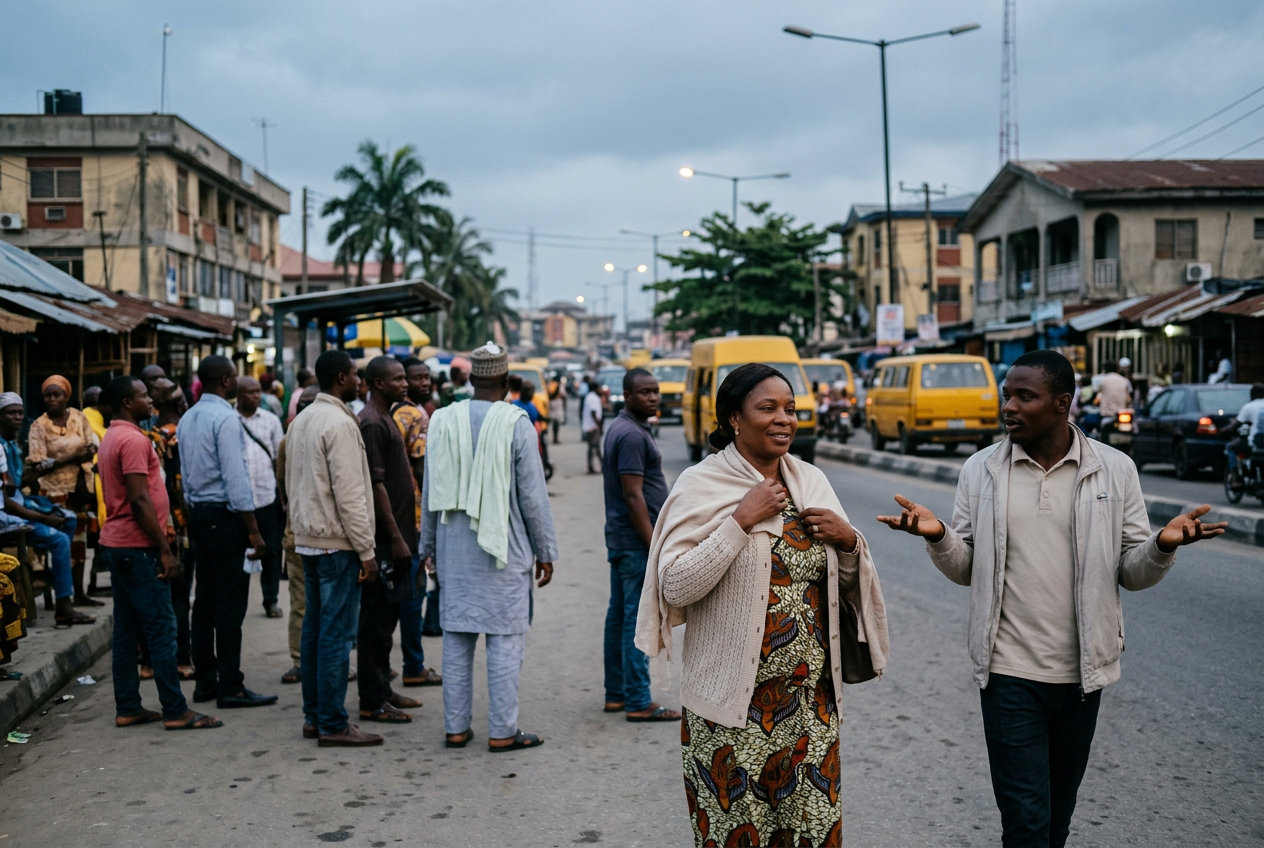
Welcome, and thank you so much for joining me on what I can honestly say is the conclusion of months of careful research into Nigerian temperature patterns and years of experiencing our country’s diverse climate firsthand. Whether you are planning a trip, trying to make sense of the weather forecast, or genuinely curious about how Nigerians perceive temperature, you are in exactly the right place.
Is 26 degrees cold in Nigeria? That is a question with a much more layered answer than it first appears, and I am genuinely excited to walk you through it. The short answer is: it depends entirely on where in Nigeria you are standing, what season it is, and who you ask. Nigerian temperature perception is shaped by climate adaptation, regional geography, and cultural experience in ways that often surprise people encountering Nigerian weather for the first time.
I still remember sitting in a Lagos bus stop on a December morning, watching a woman next to me pull a thick woollen cardigan tight around her shoulders while the thermometer on my phone read 24°C. Meanwhile, I had seen colleagues from the UK wander around in short sleeves that same morning, looking genuinely puzzled by everyone else’s bundled appearance. That experience, more than any data point, captures the essence of what we are exploring today.
What is the Coldest Temperature in Nigeria?
To understand how 26 degrees sits on Nigeria’s temperature scale, you first need to appreciate just how narrow that scale actually is compared to most countries. Nigeria does not experience dramatic swings between freezing winters and scorching summers in the way that temperate nations do. Our seasons are defined by rainfall, not temperature.
That said, Nigeria’s coldest recorded temperatures are found on the Jos Plateau in Plateau State, where elevations of around 1,200 metres above sea level create conditions that feel genuinely cold by any standard. Morning temperatures on the plateau can drop to 12°C to 15°C during the peak harmattan months of December and January. On the Mambilla Plateau in Taraba State, sitting above 1,600 metres, temperatures occasionally fall below 10°C, which is cold by any international measurement, not just Nigerian standards.
The Nigerian Meteorological Agency (NiMet), which has been tracking Nigerian weather since its founding in 1887, consistently documents the harmattan season as the period when Nigeria’s coldest temperatures occur. Their State of the Climate in Nigeria reports show that even in the coldest documented periods, temperatures across the lowland south rarely fall below 18°C, whilst the north can dip to single figures on the Mambilla highlands but remains above 15°C across most of the region.

For most of Nigeria’s lowland cities, the coldest practical temperatures people encounter fall between 18°C and 22°C on early harmattan mornings. Lagos might touch 22°C on a cool December dawn. Abuja can see 17°C to 19°C early morning temperatures in January. Kano, despite being much further north, paradoxically experiences some of its coldest harmattan conditions at a similar range because the dry Saharan air that brings the cold also brings extreme radiative cooling overnight.
Here is a useful way to think about it: Nigeria’s temperature range from its absolute coldest to its hottest sits roughly between 9°C and 45°C. Most Nigerians experience a personal temperature range of perhaps 20°C to 38°C in their daily lives. Within that compressed range, 26°C sits noticeably towards the cooler end of everyday experience for most people, even if it would be considered warm or even hot by northern European standards.
The NiMet 2024 State of the Climate report confirms that Nigeria’s average annual temperature has been gradually increasing due to climate change, making cooler readings like 26°C increasingly associated with the pleasant end of the spectrum rather than the uncomfortable hot end.
How Nigerian Coldest Temperatures Compare Across Regions
| Region / Location | Average Coolest Temperature | Season | How Nigerians Describe It |
|---|---|---|---|
| Mambilla Plateau, Taraba | 9°C to 12°C | December to January | Very cold; extra layers required |
| Jos, Plateau State | 12°C to 15°C | December to February | Cold; locals wear heavy clothing |
| Abuja, FCT | 17°C to 20°C | December to January | Cool to cold |
| Kano, Kano State | 16°C to 20°C | January | Cold morning; warm afternoon |
| Lagos, Lagos State | 22°C to 25°C | December to January | Cool, pleasant |
| Port Harcourt, Rivers | 23°C to 26°C | December | Mild, barely noticeable |
| Calabar, Cross River | 24°C to 26°C | December | Slightly cooler than usual |
This table makes it immediately clear that 26°C represents the lower end of what lowland southern Nigerians encounter even at the coolest part of the year. For Jos residents and northern highland communities, 26°C would feel positively warm. For Lagos residents, it falls right at the cusp of what feels refreshingly cool.
Is 26 Temperature Hot or Cold in Nigerian Context?
Here is where the conversation gets genuinely interesting, and where I want to be really honest with you about how perception works differently here than it would in, say, Germany or Canada.
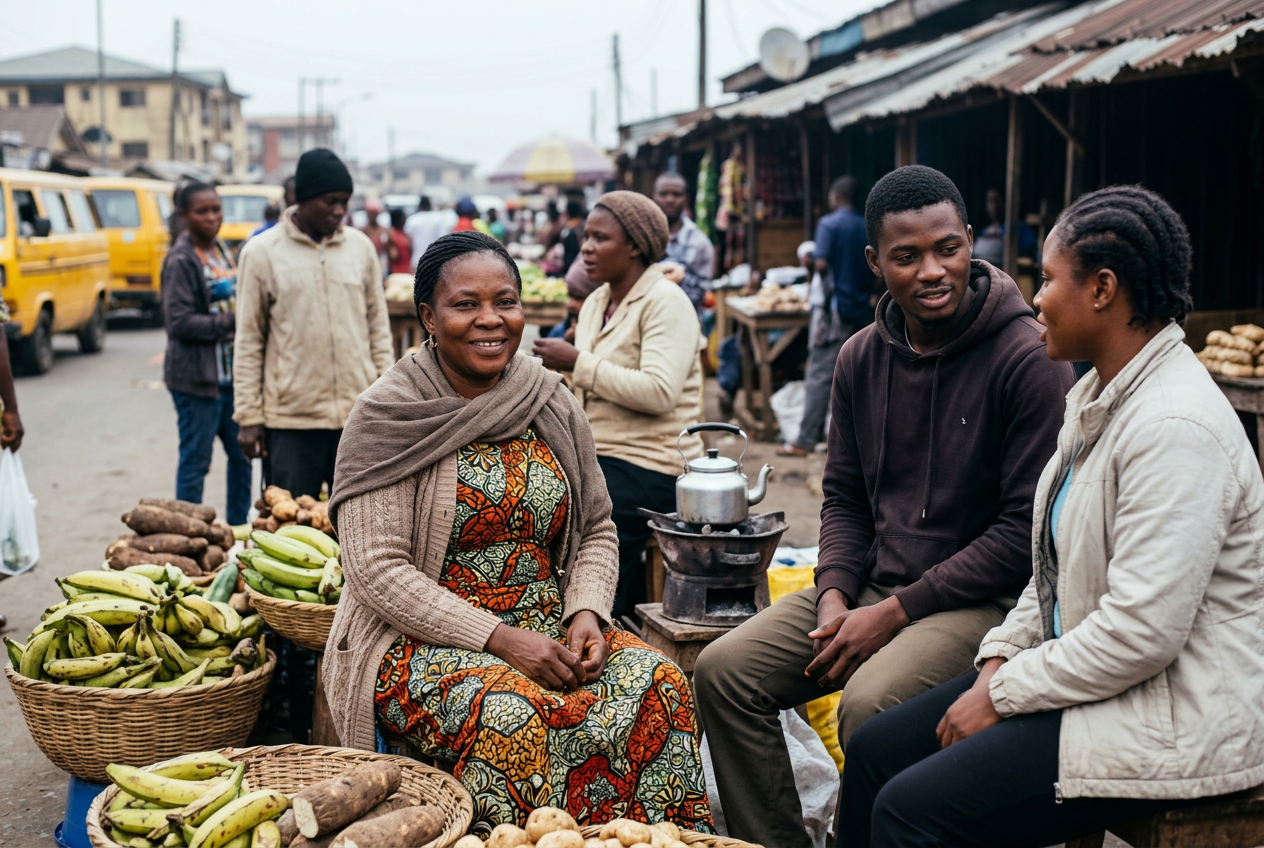
At 26°C, most Nigerians in the south will describe the weather as pleasantly cool or simply comfortable. It is the kind of temperature that feels like a relief after weeks of 34°C humidity-soaked heat. You step outside and breathe a little easier. Children play football in the afternoons without wilting. Market traders smile a bit more readily. In Port Harcourt, Calabar, or Warri, a 26°C reading in December is entirely unremarkable and feels mild.
For Nigerians in the north, the story is quite different. A Kano resident or someone from Sokoto will likely reach for a light jacket at 26°C, especially if there is harmattan wind accompanying it. The combination of 26°C air temperature with the dry, gusty harmattan wind creates a significant wind-chill effect that makes the temperature feel several degrees cooler than the thermometer suggests. I have been in Kano on a 26°C harmattan morning, and I can tell you with absolute certainty that it did not feel warm.
The coastal south operates on a different perception scale entirely. Lagos and Port Harcourt residents are accustomed to humidity levels that make even 28°C feel oppressive. When the temperature drops to 26°C alongside the lower humidity of harmattan, the combined effect creates what southerners often describe as “the cold season has arrived,” even though 26°C is objectively mild.
From international reporters covering Nigeria who dress for “tropical heat” and then shiver during harmattan, to Nigerians travelling abroad who find themselves sweating in what Europeans call “warm summer weather,” this temperature gap in perception is a genuine cultural phenomenon. It is not pretend cold. It is adapted cold, and it is completely real.
How Many Degrees is Cold Weather in Nigeria?
This is precisely the question I find myself fielding most often, particularly from Nigerians preparing to travel or from visitors trying to understand what to pack for a Nigerian December. Let me give you a practical, regionally specific answer rather than a vague generalisation.
For the purposes of day-to-day Nigerian life, here is how temperature thresholds tend to work:
- Below 15°C: Genuinely cold by any Nigerian standard. Only experienced on highland plateaus (Jos, Mambilla). Nigerians here wear thick jumpers, heavy blankets at night, and sometimes use indoor heating. This temperature range causes real health concerns, particularly for the elderly and children.
- 15°C to 18°C: Cold to cool. Experienced in Abuja, Kano, and parts of the Middle Belt during peak harmattan. Residents layer clothing, wear hats, and trade in hot beverages rises noticeably. Guardian Nigeria’s coverage of harmattan-related health impacts documents genuine health risks even at these temperatures.
- 18°C to 22°C: Cool. Experienced across most of the north and the inland south during harmattan mornings. Most Nigerians consider this cold enough to prompt light jacket wearing. Southerners visiting north often find this surprisingly uncomfortable.
- 22°C to 26°C: Mild to pleasantly cool. The Lagos sweet spot in December. Southerners consider this refreshing; northerners from hotter regions consider it warm. This is where 26°C sits for most lowland Nigerians.
- 26°C to 30°C: Normal to warm. The typical everyday range for most Nigerian cities during the moderate seasons. Comfortable for most activities.
- 30°C to 35°C: Hot. Standard dry-season temperatures across much of Nigeria. Shade-seeking behaviour increases noticeably.
- Above 35°C: Very hot to extreme. The domain of the deep north during April and May. Life slows down, water consumption becomes critical.
Understanding this ladder helps you see immediately that 26°C sits at the very top of what most Nigerians would call “cool” or at the very bottom of “normal,” depending on their regional background. It is never cold by Nigerian standards outside of the perception of those accustomed to the extreme heat of the far north or the dampening effect of harmattan wind.
Health experts writing in Guardian Nigeria have highlighted the importance of understanding harmattan cold, noting that even mild temperature drops combined with low humidity create conditions that require genuine health precautions. The absence of strong harmattan in some recent years has disrupted the population’s seasonal adaptation, making even mild cold feel unexpectedly harsh when it does arrive.
Is 26 Degrees Cold in Nigeria? Here is the Direct Answer
Directly addressing the question: 26 degrees Celsius is not cold in Nigeria by any objective meteorological standard, but it is perceived as cool to pleasantly mild by most Nigerians, particularly those in the southern states.
Here is how 26°C registers across different Nigerian groups and contexts:
- Lagos and south-west residents: 26°C feels pleasantly cool, especially during harmattan. Light cardigans or long sleeves feel appropriate in evenings.
- South-east and south-south residents: 26°C feels mild and slightly cooler than usual. No special clothing adjustments needed.
- Middle Belt and Abuja residents: 26°C feels comfortably warm, perhaps even warm compared to their harmattan morning lows of 17°C to 19°C.
- Far north (Kano, Sokoto, Maiduguri) residents: 26°C feels warm to them during peak hot season but cool during transition months.
- Jos Plateau residents: 26°C is decidedly warm. They experience temperatures 10 to 14 degrees below this regularly.
- International visitors from temperate climates: 26°C feels warm to hot, prompting T-shirts and light clothing.
The closest internationally useful comparison is this: 26°C in Nigeria, especially in the south during December, feels roughly equivalent to what a Briton experiences on a warm spring day, around 18°C to 20°C in the UK, in terms of how the body perceives it relative to its baseline expectation. The adapted perception shifts the felt experience significantly.
What is the Normal Temperature in Nigeria?
Nigeria’s normal temperature is not a single number. It is a range, and understanding that range contextualises everything else we have discussed.
According to NiMet’s long-term climate records, Nigeria’s national average temperature sits at approximately 27°C annually, which makes 26°C ever so slightly below that average. But averages can be misleading across a country as geographically diverse as ours. The actual everyday normal varies dramatically by region and season.
The rainy season, which runs from roughly April through October in the south and June through September in the north, sees temperatures moderate slightly into the 25°C to 32°C range. The rain cools the air but the humidity climbs, creating the sticky, heavy feeling that defines southern Nigerian weather for half the year.
The dry season, which includes the harmattan months of November through February, brings temperature drops across the board. The north experiences dramatic morning-to-afternoon swings, sometimes ranging from 15°C at dawn to 35°C by midday. The south experiences more modest swings, perhaps 22°C at dawn to 30°C by afternoon.
Peak heat season, falling roughly between March and May across most of the country, is when temperatures reach their most extreme. The far north regularly exceeds 40°C during these months. Maiduguri, Nguru, and Sokoto are notorious for producing some of West Africa’s highest temperatures during this period.
So what is “normal” for a Nigerian? It depends completely on where they live. For a Lagos resident, normal is 28°C to 31°C with high humidity most of the year, punctuated by a pleasant harmattan cool spell in December and January. For a Jos resident, normal is 22°C to 27°C year-round with genuine cold in harmattan. For a Maiduguri resident, normal is a dramatically wider range of 18°C to 43°C across the annual cycle.
Health guidance on staying hydrated and managing heat exposure, as reported by Guardian Nigeria’s health correspondents, reflects this regional variation. What counts as dangerous heat exposure differs markedly between a Port Harcourt coastal worker and a Sokoto market trader.
This is why Nigerian conversations about temperature always seem to involve the follow-up question: “Cold where? In Lagos or Kano?” Without the location context, temperature numbers alone tell you very little about the actual felt experience.
Related Articles
If you have enjoyed exploring Nigeria’s temperature landscape with me today, I think you will find tremendous value in two of my previous investigations into our country’s fascinating climate. In Which State in Nigeria is Very Cold? I take a deep geographical dive into the highland regions of Plateau and Taraba States where Nigerians genuinely experience conditions that most of the country never encounters, including morning temperatures that dip below 10°C and require real cold-weather preparation. And in What is the Average Temperature in Nigeria? I break down the full national picture across all geopolitical zones, exploring how rainfall, latitude, and coastal influence all combine to create the diverse thermal environment our enormous country contains. Both articles sit comfortably alongside today’s discussion and will give you a richer map of Nigerian climate experience.
Finding Your Nigerian Temperature Comfort Zone
We have covered a tremendous amount of ground together, and I want to leave you with something genuinely useful and actionable rather than simply a collection of interesting facts.
Understanding Nigerian temperature perception is fundamentally about understanding context. There is no universal “cold” or “hot” in Nigeria because our country contains too much geographical and climatic diversity for those labels to work universally. What 26°C means to a Jos resident and what it means to a Warri resident are genuinely different things, and both perceptions are valid.
If you are a Nigerian planning travel within the country, 26°C is a comfortable benchmark. Packing a light layer for evenings at this temperature is sensible in the north, entirely optional in the south. If you are an international visitor trying to understand Nigerian weather, know that your usual European or North American cold-weather instincts will not serve you well here. What you call mild, Nigerians may call cold. What you call warm, Nigerians may call manageable.
And if you are simply trying to understand why your family members wrap up in December when it still seems warm to you, the answer is adaptation. Decades of living in a climate where 32°C is normal recalibrates the body’s expectations. 26°C, against that baseline, genuinely does feel cool.
Key Takeaways:
- 26 degrees Celsius is not objectively cold in Nigeria, but it registers as pleasantly cool to mild for most lowland Nigerians, particularly in the south, and as warm for highland residents of Jos and the Mambilla Plateau.
- Nigeria’s coldest temperatures, falling below 15°C, are found only on highland plateaus during harmattan season; for most Nigerians, “cold” practically means temperatures between 18°C and 22°C.
- Nigeria’s national average temperature sits at approximately 27°C, making 26°C very slightly below the mean, but the lived normal varies enormously by region from the cool highland south through to the extreme heat of the far northern states.
Frequently Asked Questions About Is 26 Degrees Cold in Nigeria?
Is 26 degrees Celsius considered cold in Lagos?
In Lagos, 26°C is considered pleasantly cool rather than cold, and it typically occurs during the harmattan months of December and January. Most Lagos residents find this temperature refreshing after the heat of the rainy season, and light clothing is entirely adequate.
What temperature do Nigerians consider cold?
For most Nigerians in lowland cities, temperatures below 20°C feel genuinely cold and prompt the wearing of jumpers and jackets. Northerners from hotter regions may consider 22°C to 24°C cool enough to reach for extra layers, particularly when harmattan wind accompanies the lower temperatures.
Why do Nigerians feel cold at temperatures that seem warm to foreigners?
The body acclimatises to its prevailing environment, so Nigerians whose baseline normal temperature is 28°C to 32°C will genuinely feel cold at 22°C to 24°C. This is called thermal adaptation and is a well-documented physiological phenomenon, not a cultural affectation.
What is the lowest temperature ever recorded in Nigeria?
The lowest temperatures in Nigeria’s recorded history have been documented on the Mambilla Plateau in Taraba State, where readings have fallen below 7°C during peak harmattan. Jos on the Plateau State has also recorded lows in the range of 9°C to 12°C during December and January.
Is 26 degrees cold enough to wear a jacket in Nigeria?
In most of Nigeria’s southern states, 26°C alone would not prompt jacket wearing during daytime, though a light cardigan in the evening is sensible. In the north, where 26°C accompanies harmattan wind and dramatically lower humidity, a light jacket is a perfectly reasonable choice.
What is Nigeria’s hottest month?
April is generally Nigeria’s hottest month across much of the country, with the far north seeing temperatures regularly exceed 40°C during this period. Some northern cities including Maiduguri have recorded temperatures approaching 45°C in April and May during extreme heat events.
What is the coldest month in Nigeria?
January is widely regarded as Nigeria’s coldest month, coinciding with the peak of harmattan season when Saharan air masses bring their lowest temperatures to the country. The Jos Plateau and Mambilla highlands experience their minimum temperatures during this month.
Does 26°C feel different in the dry season versus the rainy season in Nigeria?
Yes, significantly. During the dry harmattan season, 26°C accompanied by 20% to 30% relative humidity can feel quite cool because the dry air allows effective evaporative cooling. During the rainy season, 26°C with 80% to 90% humidity feels warm and sticky, even though the thermometer reads the same number.
Is 26 degrees suitable weather for outdoor activities in Nigeria?
26°C is actually excellent weather for outdoor activities across most of Nigeria, representing a comfortable middle ground between the oppressive humidity of peak rainy season and the scorching heat of the dry season peak. It is ideal for sports, markets, and general outdoor work.
How does altitude affect temperature in Nigeria?
Altitude has a profound effect on Nigerian temperatures, with roughly 6.5°C of cooling per 1,000 metres of elevation gain. This is why Jos at 1,200 metres sits around 7°C to 8°C cooler than surrounding lowlands at the same latitude, and why the Mambilla Plateau above 1,600 metres experiences conditions that feel genuinely cold.
What should I pack for Nigeria if temperatures will be around 26°C?
Light cotton clothing is perfectly appropriate for daytime at 26°C across most of Nigeria. Consider packing one light layer such as a cardigan or thin long-sleeved shirt for evenings, particularly if you are visiting during harmattan when temperatures can drop noticeably after sunset. Sun protection remains important even at this temperature.
Is 26 degrees the same as 26 degrees in Europe?
The thermometer reading is identical, but the experience is not. In Nigeria, 26°C typically comes with high humidity in the rainy season or very dry air in harmattan, both of which alter the felt temperature significantly. European 26°C tends to come with moderate humidity, making it feel warmer to adapted Europeans than the same Nigerian temperature feels to locally adapted Nigerians.

