 Follow Us on Google News
 Follow Us on Google Discover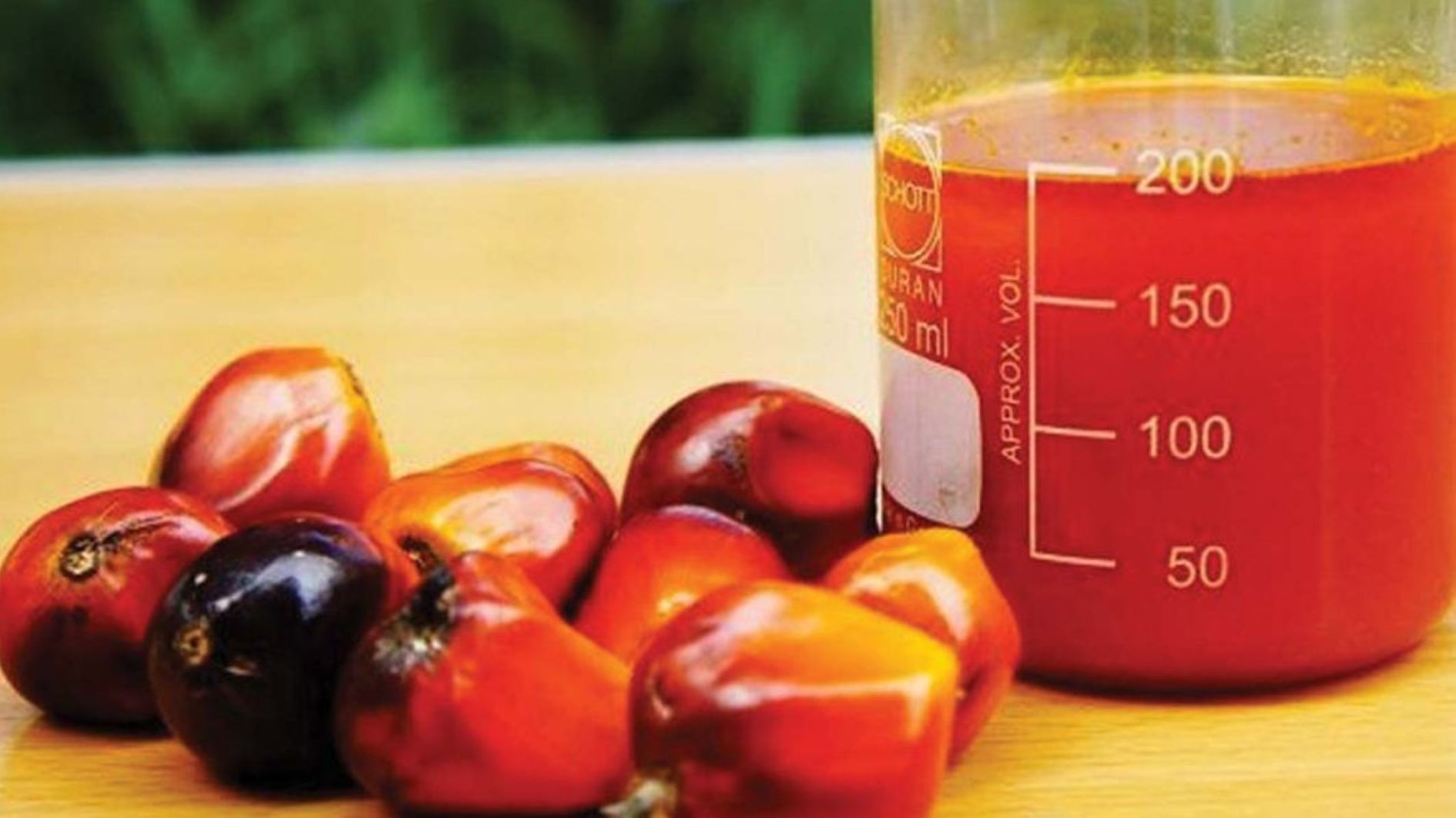
As many Nigerians seek cheap alternatives to what they consume owing to economic downturn, there are reports that killer palm oil have surfaced in markets, especially, Lagos State.
The Guardian checks revealed that the demand for this adulterated palm oil is increasing, majorly due to its rich colour and attractiveness, coupled with the fact that it is more pocket-friendly and affordable to all categories of Nigerians, as the price of the original product keeps increasing.
Few days ago, the Lagos State Consumer Protection Agency (LASCOPA) raised concerns over the increasing circulation of this adulterated palm oil in markets across the state, warning consumers to remain vigilant while purchasing the product.
The General Manager, Lagos State Consumer Protection Agency (LASCOPA), Afolabi Solebo, disclosed that complaints and market surveillance activities have revealed the presence of contaminated and artificially enhanced palm oil being sold to unsuspecting consumers by some unscrupulous traders seeking to maximise profits at the expense of public health and consumer safety.
He warned that adulterated palm oil may contain harmful substances such as candle wax, chemicals, dyes, and impurities, which cannot be digested by the body and are capable of causing serious health complications, including food poisoning, stomach disorders, tissue and liver damage, and other long-term health risks.
While it is still difficult to identify markets where this adulterated products are sold, Lagos Island has been identified as an ‘epicenter’ of this heinous act, as LASCOPA confirms closure of a shop selling adulterated palm oil, along Idutafa Lane, off Oluwa Street near Amodu Tijani Oluwa Mosque, Lagos Island.
Investigations showed that in terms of look, the adulterated palm oil is more attractive and good looking, but it is when cooked that consumers will detect the floating of the dyes and other elements injected into it to make it attractive.
Aside the taste, it makes the soup or stew to be red like blood. It also makes the food nauseating.
It was learnt that there are other types that bring out offensive odour during cooking, but very difficult for unsuspecting buyers to identify.
Sometime ago, the Nigeria Security and Civil Defence Corps (NCDSC) arrested some palm oil suppliers in Potiskum, Yobe State and in Jos, Plateau State for allegedly adulterating the product with dye. Their arrests led to the confiscation of samples, which after lab tests conducted by National Agency for Food Drug Administration and Control (NAFDAC), showed traces of high acid, high saponification and high relative density.
NAFDAC confirmed that the adulterated palm oil samples tested contained dye, which is capable of causing cancer when deposited in human body.
While advising consumers to carefully examine palm oil before purchase by checking for unusual colour, offensive odour, excessive thickness, sediments, or any suspicious appearance that may indicate contamination or adulteration, the LASCOPA General Manager, warned traders and distributors engaging in the sale of adulterated palm oil to desist immediately or face appropriate sanctions in accordance with the provisions of the law guiding consumer protection in Lagos State.
The Agency further urged members of the public to promptly report cases of suspected adulterated food products, deceptive trade practices, or consumer rights violations to LASCOPA through its official communication channels for necessary investigation and enforcement action.
LASCOPA reaffirmed its commitment to continuous market monitoring, consumer sensitisation, and collaboration with relevant stakeholders to ensure that residents have access to safe, wholesome, and quality products across the state.

