 Follow Us on Google News


 Follow Us on Google Discover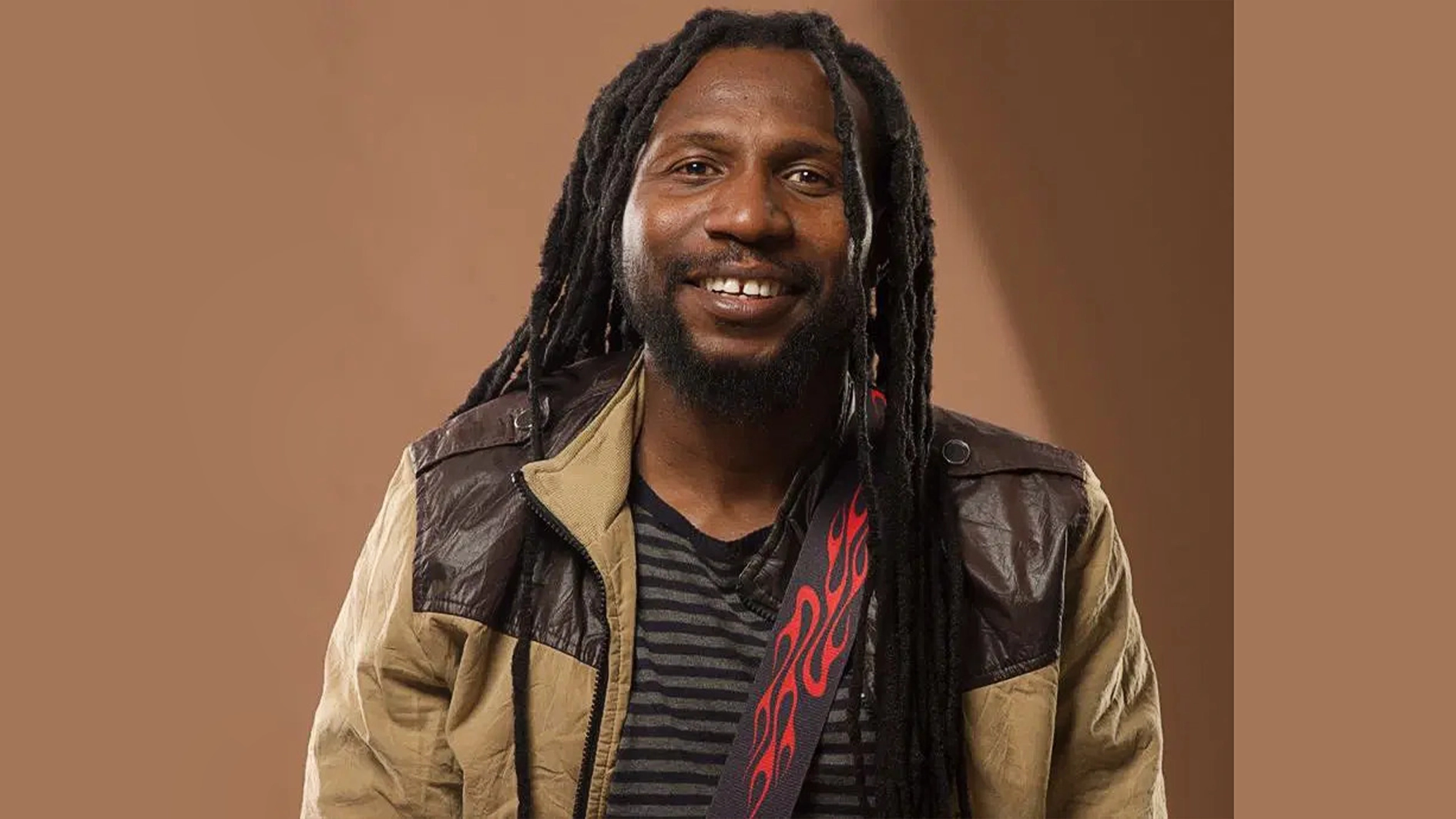
For over two decades, reggae artiste, Vincent Kaweng Nyam, well known as Jah Device, has remained committed to using music not just as entertainment, but as a tool for healing, advocacy, and social impact.
A Berom by heritage, the Plateau State-born musician explained that his stage identity — Jah Device (the device in God’s hand) — which carries far deeper meaning, reflects both faith and purpose.
His journey into music began long before international recognition came knocking. He had his primary and secondary education in Plateau State, where he met longtime associate and childhood schoolmate, My-ACE China, popularly known as the Mayor of Housing.
Though he briefly attended a sports programme at Ahmadu Bello University, Zaria, Jah Device later studied Accounting and Finance at Plateau State Polytechnic, graduating as an accountant. Yet, music remained his true calling.
After school, he began recording songs, including early singles inspired by former President Olusegun Obasanjo’s famous speech on “The Hope of Nigeria.” which eventually grew into a 13-track album titled Hope. The album later evolved into the Hope Reloaded project.
He continued releasing singles steadily until a chance connection in 2015 changed the trajectory of his career. According to the reggae singer, a mutual friend, Sinclair Kumboye, a broadcaster played one of his songs to Zige Dub, a UK-based music connector, who was so impressed that he took it straight to Stingray Records, one of Europe’s leading reggae production companies.
The label signed Jah Device on immediately, and he soon appeared on This Is Reggae, a compilation project featuring reggae talents from around the world, before eventually releasing an Extended Play (EP) in 2018. The project also paved the way for an international promotional tour.
But beyond fame, Plateau-born reggae act believes music carries economic and social power, one he wields in direct response to the violence and trauma that have long haunted Plateau State.
Reflecting on how a thriving music industry creates jobs, drives tourism, and builds community, he referenced packed hotels, thriving restaurants, and increased business activity during large concerts and festivals. “Music creates jobs,” Jah Device said, noting that his band alone employs over 20 people.
Behind his performances lies deep emotion. Known for often breaking into tears during concerts, Jah Device said his music reflects the pain and struggles of his people. Songs like Have Mercy on Us, sung in his native dialect, express grief, hope, and a plea for healing amid insecurity and hardship.
“If anybody goes through my concerts and videos, they will see me ending in wailing and in tears. Somebody who is vividly recalling these things and wants to express them in song cannot be a happy man,” he said.
For the artiste, reggae remains more than rhythm; it is prayer, protest, and prophecy wrapped in melody.

