 Follow Us on Google News


 Follow Us on Google Discover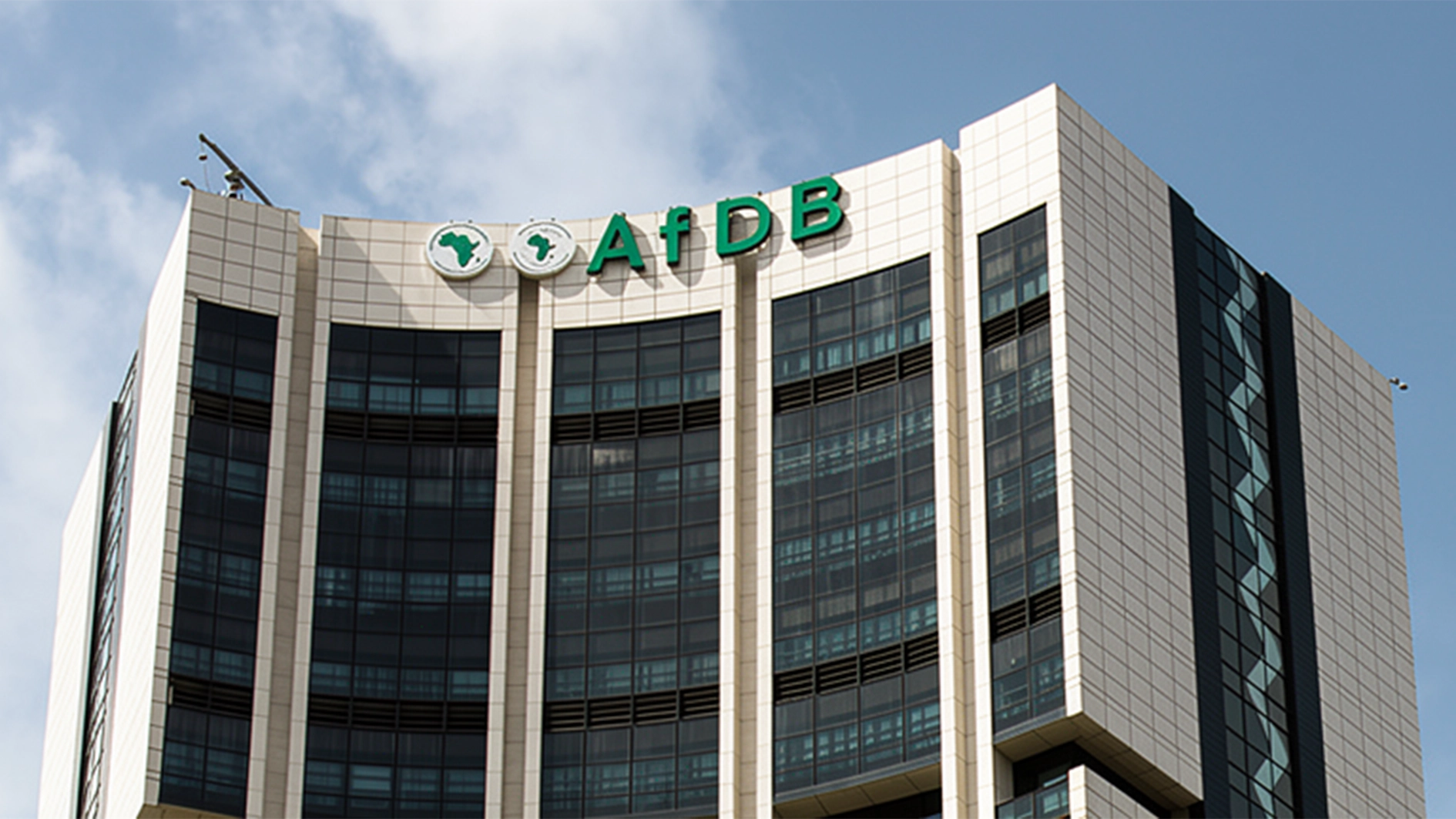
The latest report by the African Development Bank (AfDB) on rising debt levels across African countries is a clear warning to leaders across the continent to live within their means or face severe economic consequences. Titled “Africa’s Macroeconomic Performance and Outlook,” the report warned that Africa’s debt burden remains significantly elevated and is posing a growing threat to economic stability and long-term development.
It indicates that the African debt situation has remained unchanged despite modest fiscal consolidation efforts by the various countries. It has become quite alarming to the extent that, unless something drastic is done, the fate of African economies in stabilising their economies and enhancing economic growth is greatly challenged.
The report, which indicated that the economic outlook of the continent faces strong headwinds from persistent debt distress and shrinking fiscal space, went further to identify seven African countries in debt distress and 13 of the countries at high risk, which include large economies such as Nigeria, Ghana, and South Africa. These issues are critical as borrowing costs remain high, given that sovereign spreads exceed pre-COVID-19 pandemic levels and that rising refinancing requirements may force governments into pro-cyclical austerity or costly short-term borrowing.
While these issues raised by the AfDB are generally applicable across the multiplicity of African economies, their particulars differ. As the report has identified, countries such as Nigeria and South Africa are under the “high risk” category. Therefore, a country such as Nigeria needs to watch it and keep its house in order, in order to avert the looming danger in the unbridled borrowing that has been taking place under the Bola Ahmed Tinubu administration.
Nigeria, under Tinubu, is currently on a borrowing spree, an undesirable trend that should be arrested. Since the current administration came into power in May 2023, its mantra, apart from its well-known removal of fuel subsidy and the harmonisation of rates in the foreign exchange market, seems to be that of borrowing from any available source. Sadly, explanations, if any, regarding the use of the loans are scanty and inadequate.
Moreover, the National Assembly, whose duty it is to vet the loan requests and subject them to thorough public-interest scrutiny, has consistently failed to discharge this onerous duty, preferring to almost automatically approve the requests by the executive.

This has invariably left many Nigerians worried as to whether the government is actually on a rescue mission or is unwittingly or otherwise mortgaging the financial future of the country. The level of borrowing in the current administration has far surpassed that of the late Muhammadu Buhari administration. In all these, it is obvious that the interests of the next generation are not being taken into consideration. People have wondered whether the authorities in Abuja are concerned about the repayment of these loans.
Most of the developing economies, particularly in sub-Saharan Africa, have, over the years, been reported to have resorted to fiscal stimulus to sustain macroeconomic stability as well as economic growth. However, the prolonged state of uncertainty and the accumulation of deficits and public debt have limited the continuing usefulness of these fiscal stimuli. This has been part of the narrative for the accumulation of public debt by many African countries in recent times.
In Nigeria, this is a simple representation of the situation of the growing debt burden, particularly in the past three years, since the Bola Ahmed Tinubu administration came into power. Nigeria’s total debt has increased from about N12.5 trillion in 2015 when Goodluck Ebele Jonathan left office to about N87 trillion in 2023 when the late Muhammadu Buhari left office and Tinubu came on board, to about N159.28 trillion as at December 2025, according to the country’s Debt Management Office (DMO). These debts are made up of N74.4 trillion for external debts and N84.8 trillion for domestic debts. Under Tinubu, the 2026 budget debt service is estimated at N15.81 trillion, with the borrowing plan raised to N29.2 trillion. These are accentuated by a massive spending plan, which includes the servicing of the debts.
In view of these, there is an urgent need for the government to have a functional debt management strategy. Nigeria needs to revamp its current debt management strategy. One way of assisting to ameliorate the growing debt burden is to maximise the benefits of the currently increasing price of crude oil in the international market. It is important to build a strong financial buffer through enhanced savings of the revenue implications of the difference in the crude oil price pre and during the current Iran and USA/Israel conflict.
It is disturbing that the government has continued to procure more liabilities despite reservations expressed by different stakeholders, as well as the equitable spread of the projects, possibilities of a seamless repayment plan and viability of some of the projects for which the loans are being sought. The usual response by the authorities is that, following the debt-to-gross domestic product (GDP) ratio criteria, the country is currently under-borrowed. It, however, fails to inform the public that the debt service-to-revenue ratio is not favourable to the growth of the economy.
The borrowing experience of other countries may not follow the same pattern as that of Nigeria’s, but the core issue, as indicated in the AfDB report, is that there is “fire on the mountain” for most African economies in the area of excessive and unbridled borrowing.
These anomalies could derail the current growth momentum of a number of these countries, impair long-term development, and thus increase the risk of social and political fragility, as clearly stated in the AfDB report. Fiscal sustainability has been a recurring challenge for African countries and the leadership on the continent needs to know that they are endangering the economic progress of their economies if these uncontrolled borrowings continue unabated.

