 Follow Us on Google News
 Follow Us on Google Discover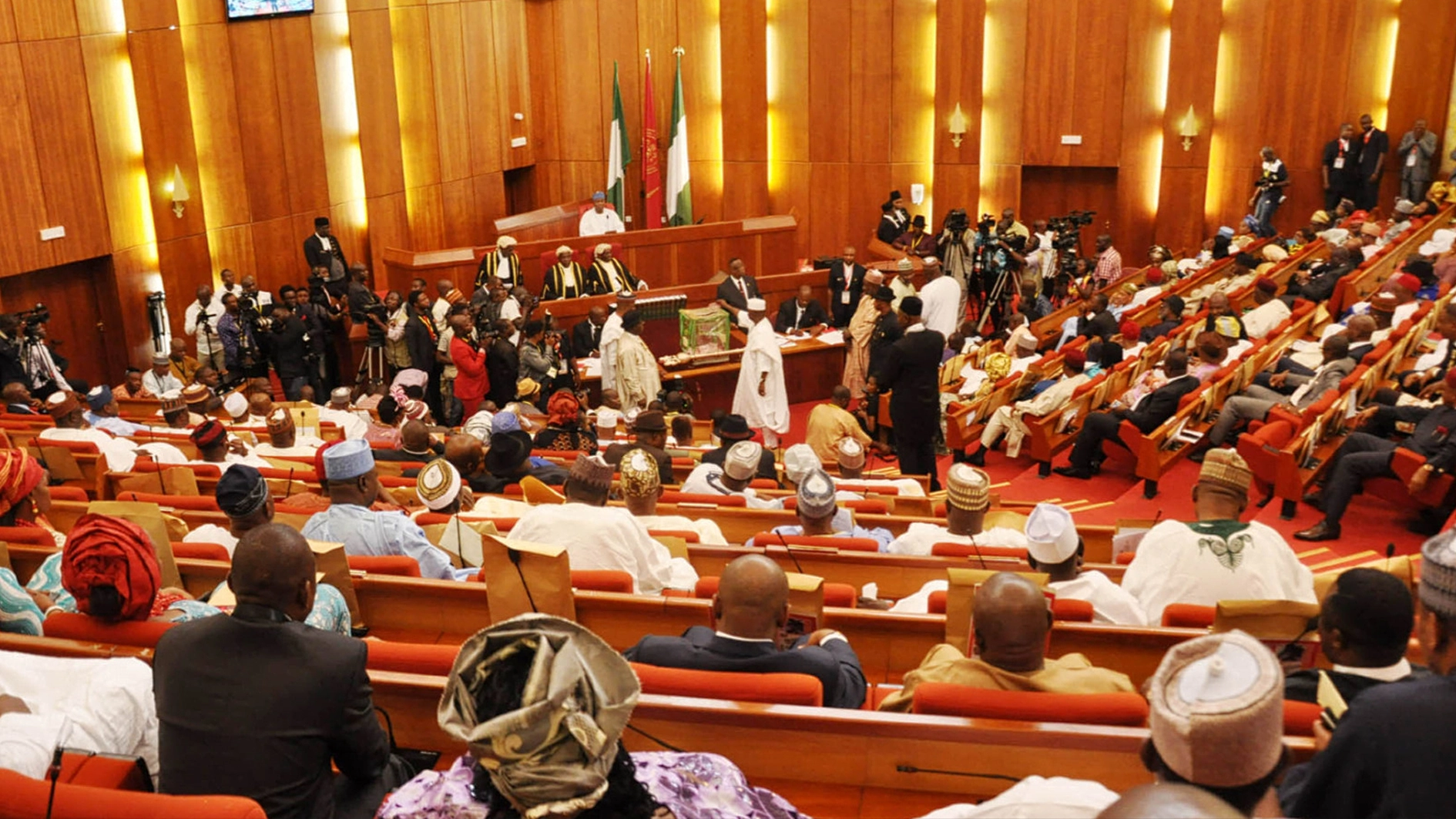
Senate, yesterday, approved a new excise duty regime on sugar-sweetened beverages and endorsed the creation of a dedicated funding stream to strengthen public health interventions nationwide.
It said the move aimed at curbing rising cases of non-communicable diseases (NCDs).
The decision followed the consideration and adoption of the report on the Customs, Excise Tariff, etc. (Amendment) Bill by the Joint Committee on Finance and Customs, Excise and Tariff, presented by the Chairman of the Senate Committee on Finance, Senator Sani Musa.
Under the new framework, the existing N10 per litre excise duty on sugar-sweetened beverages will be replaced with a percentage-based levy tied to retail prices, to be determined by the Minister of Finance in line with global best practices.
Lawmakers also approved that a portion of the revenue generated from the levy be earmarked for health promotion, disease prevention programmes, primary healthcare services, and expanded health insurance coverage for vulnerable Nigerians.
According to the Senate, the current flat-rate tax has been significantly eroded by inflation and is no longer sufficient to discourage excessive consumption or generate a meaningful fiscal impact.

It expressed concern over the rising prevalence of non-communicable diseases such as diabetes, obesity, hypertension and cardiovascular conditions, which are increasingly linked to high sugar consumption and unhealthy dietary habits.
According to the Senate, health-related excise taxes serve a dual purpose—discouraging the consumption of harmful products while also generating revenue to strengthen the health sector.
MEANWHILE, Nigeria may be realising its ambition for public health intervention in the decades following the Senate’s passage of a landmark bill to establish the National Agency for Malaria Elimination.
The passage, Senator Ned Nwoko said, could finally free millions of Nigerians from a disease that had long plagued the nation.
The Delta North senator, who sponsored the legislation, described the Senate’s approval as a defining moment in the country’s fight against malaria, insisting that Nigeria possessed the capacity, resources and expertise to defeat a disease that kills thousands and burdens millions of households every year.
For Nwoko, the bill’s successful passage through third reading is more than a legislative victory, it is the culmination of years of advocacy, international campaigning and a personal mission that began long before his arrival in the National Assembly.
“Malaria has been eliminated in many parts of the world. There is nothing stopping Nigeria from doing the same. What is required is a coordinated national strategy backed by law, science, accountability and political commitment,” he said.
The bill, first introduced as Senate Bill 172, scaled second reading in May 2025 before being referred to the Senate Committee on Health (Secondary and Tertiary) for detailed scrutiny.
What followed was one of the most extensive consultations undertaken on a health-related bill in recent years.
For Nwoko and many of the health experts who championed the legislation, the message is no longer about whether malaria can be defeated, but whether Nigeria is prepared to seize the opportunity.
Their answer is unequivocal: the country can end malaria—and the time to begin is no

