 Follow Us on Google News


 Follow Us on Google Discover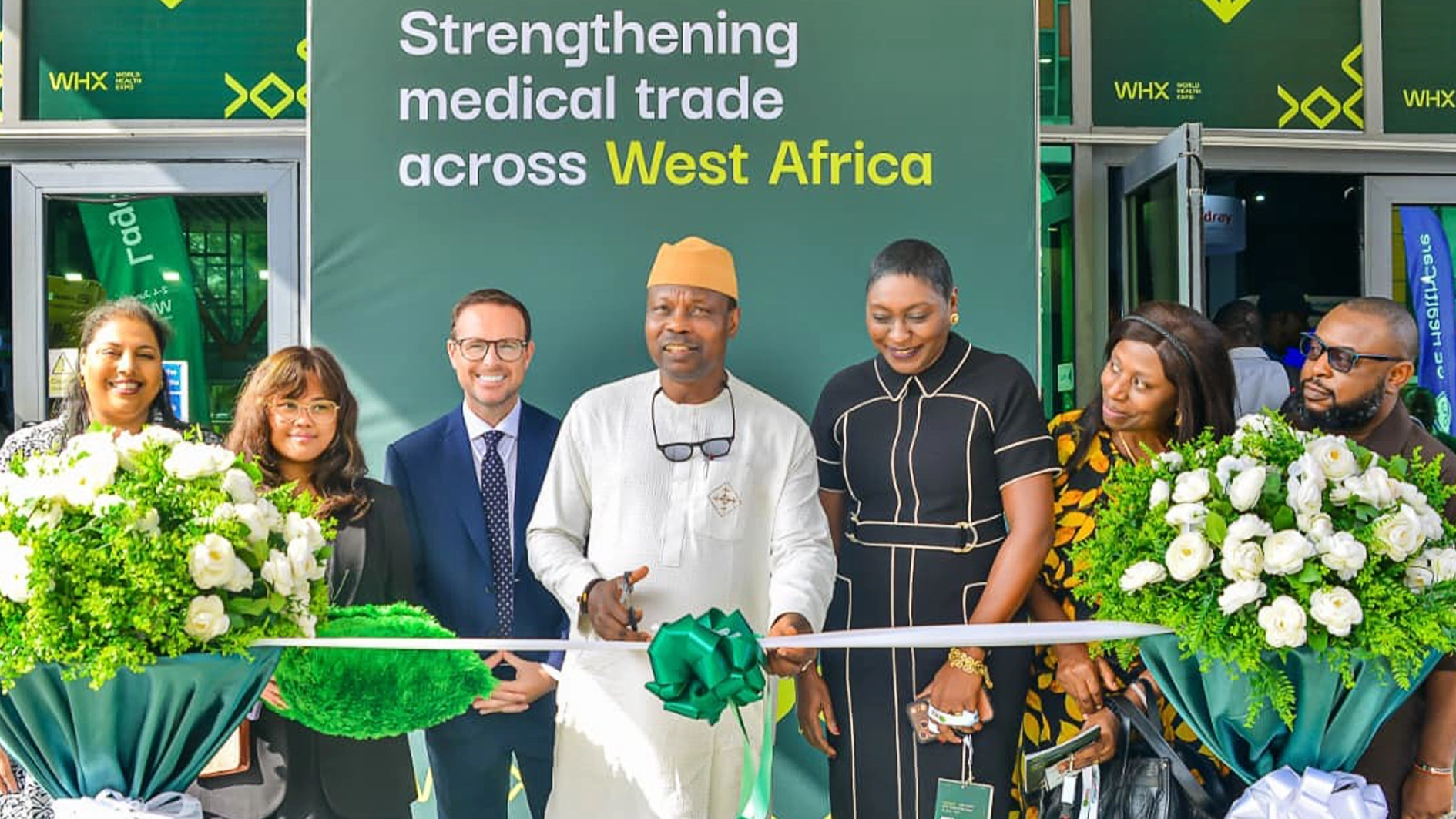
…Targets Stronger Healthcare Systems, Market Growth
2026 fiscal year of the World Health Expo (WHX in Lagos 2026), formerly known as Medic West Africa, officially opened in Lagos, establishing its position as the sub-region’s most influential healthcare trade, medicine, and innovation platform.
Declaring the event open on behalf of the Federal Government of Nigeria and His Excellency, President Bola Ahmed Tinubu (GCFR), the Honourable Minister of State for Health and Social Welfare, Dr. Isiaq Adekunle Salako, welcomed over 8,000 healthcare professionals and 500 exhibitors spanning 40 countries.
In a powerful opening address, Dr. Salako emphasized that WHX in Lagos, organized under the stewardship of Informa Markets, has evolved from a visionary exhibition into a vital catalyst for West African healthcare transformation, directly shaping national policy and bridging the continent’s critical diagnostic gaps.
Addressing the stark reality that between 85% and 99% of medical equipment and in vitro diagnostics in West Africa are currently imported, Dr. Salako outlined aggressive federal interventions designed to dismantle supply chain vulnerabilities and skyrocket local manufacturing capabilities.
The Minister spotlighted key presidential directives, including the Presidential Initiative to Unlock Healthcare Value Chains (PVAC) and the Presidential Executive Order for the Pharmaceutical and Allied Sectors, both engineered to catalyze health security, drive economic growth, and generate employment through strategic private-sector collaborations and Public-Private Partnerships (PPPs).

“Our commitment to improving access to modern equipment and technologies in hospitals is backed by concrete action,” Dr. Salako declared. “The Federal Ministry of Health and Social Welfare has inaugurated the $1.2 billion Sector-Wide Approach (SWAP) initiative, a comprehensive overhaul addressing financing, workforce development, and infrastructure.
Furthermore, for the 2025 fiscal year, the Federal Government committed ₦402 billion specifically for health sector infrastructure investment.”
Dr. Salako also highlighted an expansive health infrastructure upgrade program in partnership with the Nigeria Sovereign Investment Authority (NSIA). This phased initiative is actively delivering oncology and nuclear medicine centers across six tertiary hospitals, alongside establishing 22 modern medical diagnostic centers, seven cardiac catheterization laboratories, and expanded radiology and clinical pathology capabilities distributed across Nigeria’s six geopolitical zones.
 With Nigeria’s healthcare sector forecast to grow by 7.1%, reaching a market value of $161.7 million by 2027, and the broader West African market valued at over $11 billion, Dr. Salako urged global investors and innovators to tap into the market: “Nigeria is open for healthcare investment. We want platforms like WHX in Lagos to serve as a critical conduit for translating this investment ambition into tangible technology access for our hospitals and patients.”
The opening dialogue seamlessly connected with insights from private sector and clinical leaders who are driving frontline transformation. Dr. Ifunanya Ilodibe, CEO of EHA Clinics, emphasized the urgent need to support and unify fragmented growth within the healthcare system, noting that WHX serves as the precise ecosystem platform required to bring together policymakers, clinicians, and investors to move actionable strategies forward.
Addressing the financial bottlenecks that stifle local health tech scalability, Njide Ndili, President of the Healthcare Federation of Nigeria (HFN) and Country Director of PharmAccess, spoke on the relevance of the HFN in dismantling long-standing barriers to capital.
“HFN bridges the gaps in health financing, opening up critical connections to achieve true health sovereignty,” Ndili stated. “There has been limited access to finance for companies seeking long-term patient capital. We provide the capacity, platform, and expertise needed to make healthcare businesses scalable. The burning question we must answer is: How do we design products that fit the Nigerian market, strengthen local manufacturing, advance quality, and achieve scale?”
Ndili also praised the Africa CDC’s historical intervention, particularly during the Ebola crisis and urged participants to utilize the WHX exhibition floor to forge collaborations capable of scaling locally produced medical equipment.
Aligning with the federal agenda, the Honourable Commissioner for Health for Lagos State, Prof. Akin Abayomi, outlined the state government’s vision for health sovereignty, defining its core pillars as affordability and maintenance.
Prof. Abayomi highlighted the enforcement of the National Health Insurance Authority (NHIA) Act in Lagos State as a landmark regulatory milestone. The Act mandates health insurance for all residents, structuring the financial environment to guarantee medical protection across various socioeconomic levels.
“This process moves the healthcare sector directly into the center of the economy,” Prof. Abayomi asserted. “The government must establish the standards and trust that create an enabling environment for both demand and supply.”
Looking toward the future of medical technology, Prof. Abayomi added that for Artificial Intelligence (AI) to successfully transform Nigerian healthcare, the nation must prioritize the collection of clean, indigenous data to drive local technological innovation.
Delivering the keynote address, Prof. Aliko Ahmed, Special Regional Representative of the Director General of the Africa CDC Western Regional Coordinating Centre, reflected on the lessons learned from the Ebola and COVID-19 crises. He noted that while these pandemics exposed severe vulnerabilities, they also revealed massive opportunities for Nigeria and Africa within the global health architecture.
Prof. Ahmed delivered a stark reminder that external aid is entirely unsustainable for achieving long-term sovereignty. He called on leaders in geopolitical positions to enact liberating trade policies aligned with the African Continental Free Trade Area (AfCFTA) to shape the continental agenda, emphasizing that the Africa CDC will fiercely prioritize building trust in locally manufactured healthcare products.
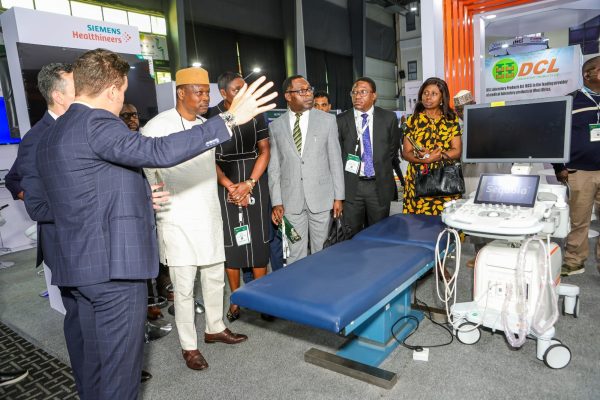
WHX in Lagos 2026 runs for three days, featuring accredited forums, cutting-edge product showcases, and high-level networking tracks designed to translate billions in public and private investment into immediate technology access for hospitals and patients.

