 Follow Us on Google News
 Follow Us on Google Discover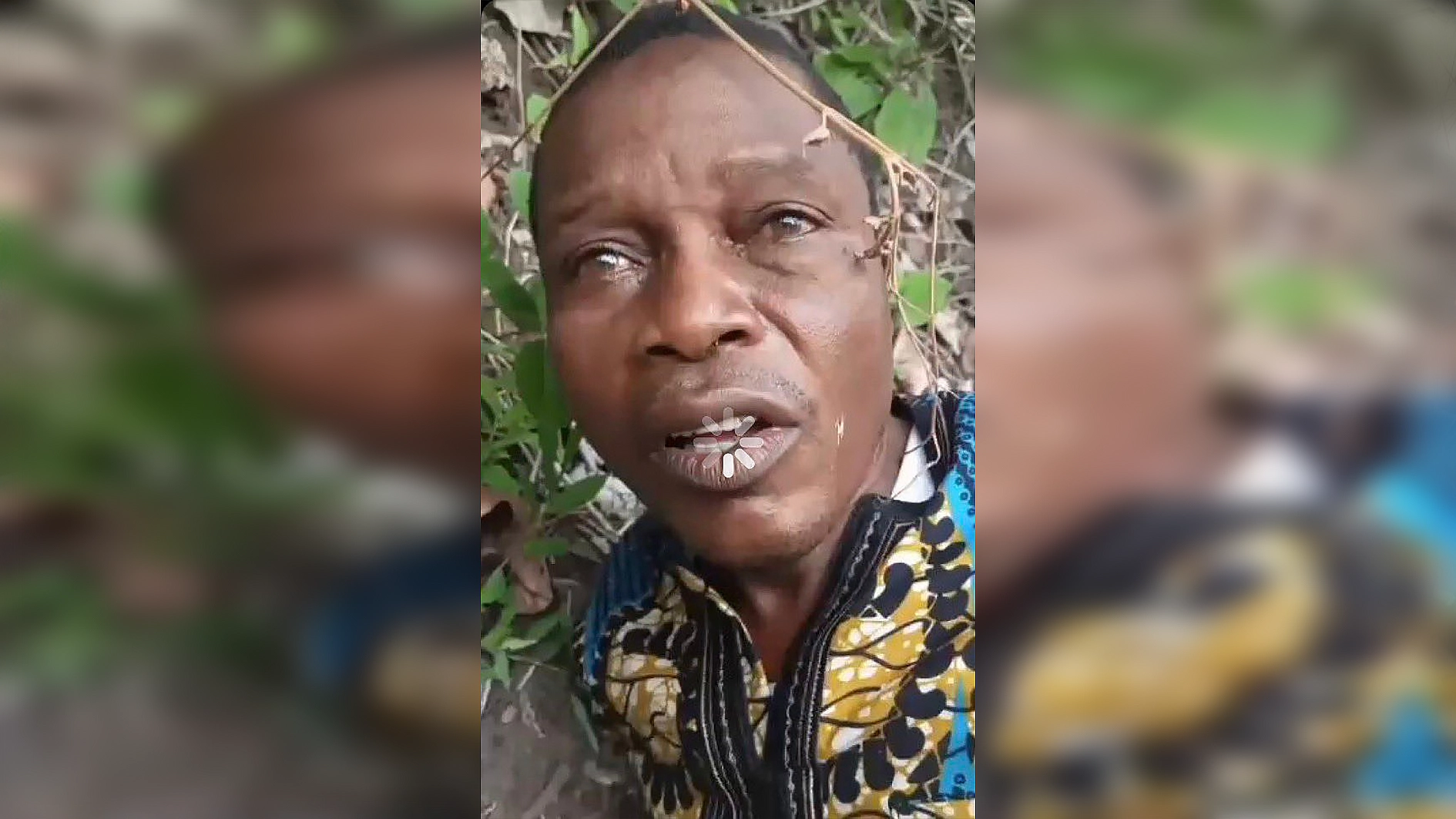
By Ayobami Steven
He did not commit a crime. He was not running for office. He did not cross a border, trespass on another man’s land, or raise a hand against anyone. Michael Oyedokun was at work, doing what the state itself calls nation-building, teaching in a classroom in Oyo State. For that ordinary act of service, he was abducted and beheaded by bandits, his death recorded and circulated as if human life had been reduced to content for public consumption. If a teacher can be pulled from his place of work, executed on camera, and the country’s default response is a cycle of condolence tweets followed by silence while everyone returns to business as usual, then we are no longer dealing with isolated criminality. We are dealing with a system that has made this kind of horror routine.
The problem is not primarily a lack of brave men in uniform. It is that Nigeria’s security architecture was designed for a different era and a different set of priorities. It remains centralised, reactive, and optimised for protecting the state from its citizens more than protecting citizens from violence. That structure guarantees delay. A teacher in Ibarapa should not have his chances of rescue tied to how quickly Abuja can process a request and send a directive down a chain of command that was never built for speed. By the time approval travels, the window for a rescue has closed. Compounding this is the fragmentation of intelligence. Kidnapping cells do not materialise out of thin air. They require logistics, informants, financiers, safe houses, and communication networks. Each of those leaves a trail in telecom records, mobile money transactions, and community whispers. Yet our police, the Department of State Services, the Nigeria Security and Civil Defence Corps, and the military still operate in silos, hoarding information and duplicating effort. The result is that the dots exist, but no one is connecting them in real time. On top of that, accountability is missing. Commanders are rarely held publicly responsible for preventable mass casualties, so “we are overwhelmed” has hardened into a permanent excuse rather than a diagnosis that demands reform.
When the state cannot protect a teacher in his school, it forfeits the credibility of its claim to a monopoly on violence. And when that monopoly frays, two things follow. Citizens stop reporting crimes because they have learned that a call to the police often leads nowhere and can even mark them as targets. Citizens also stop believing in the social contract. The phrase “the youth are the leaders of tomorrow” begins to sound like mockery when tomorrow never arrives for the youth of today. Our public response reveals how deep this normalisation goes. There is outrage for 48 hours, condolence messages that trend for a day, and then life resumes as though the victims were simply the unlucky ones. Followers end up leading fellow followers, while those in positions of power manage optics instead of confronting the structures that produce bloodshed.
Responsible government does not mean broadcasting operational plans on television. That would endanger hostages and troops. But silence cannot mean invisibility. Citizens do not need war room details. They need to see that the state is working, that there are mechanisms, timelines, and consequences. Five shifts would change the curve within 18 months if implemented with seriousness. First, tactical response must be decentralised through state-level joint task forces. Governors should have operational control over a vetted force that combines police, NSCDC, DSS field officers, and trusted local hunters under one command, subject to federal oversight and quarterly audits to prevent abuse. Speed saves lives, and Oyo’s governor should not need to wait for Abuja to authorise a sweep of his own territory.
Second, the country needs a single national hostage and kidnapping fusion cell under the Office of the National Security Adviser. That cell must merge telecom call data and geolocation, financial transaction flags from the NFIU, community informant networks, and military and police human intelligence. Right now, bandits use mobile money and ransom calls to operate, and no one is stitching those threads together fast enough.

Third, publish a public accountability dashboard every month. It should show, without compromising operations, the number of kidnappings, average response times, rescues, arrests, and convictions. You cannot improve what you do not measure, and sunlight is the only disinfectant for institutional complacency.
Fourth, give low-tech protection to the people who are most exposed: teachers, health workers, and farmers in high-risk local governments. Secure school perimeters, early warning SMS networks, and rapid-response motorcycles for local vigilantes will not replace the military, but they can give a community twenty minutes of deterrence and response capability that changes outcomes.
Fifth, redefine what leadership looks like. Leadership is not managing grief after the fact. It is confronting the structures that produce grief before it happens. The governor who fires a divisional police officer who ignored three warnings is leading. The legislator who audits security votes and publishes the findings is leading. The federal minister who admits systemic failure and presents a timeline for reform is leading. Courage is not the absence of fear. It is the decision that a teacher’s life is worth more than political comfort.
We avoid the hardest question by hiding behind platitudes. Is there another fatherland somewhere? No. But a fatherland is not just geography. It is a promise that if you live by the rules, the state will protect you when the rules break down. When that promise is broken repeatedly, people stop trusting and start planning exits. Brain drain is not only about salaries. It is about the cold calculation that a child will be safer anywhere else.
The video of Oyedokun’s killing was painful precisely because it showed what happens when the state is absent in the moment it matters most. Yes, the security forces are stretched. Yes, bandits adapt. But overwhelmed is not a strategy, and sensitivity around operational details is not a substitute for visible action.
Leaders know what the public does not know. They see intelligence that never reaches the newspapers. They control budgets that never translate into protection on the ground. So the question stands: When will you roar, if you are truly leaders? When will the killing of a teacher be the line you refuse to let anyone cross? If we move on from Oyedokun the way we moved on from the last victim, then we have already answered the question for ourselves. There is no other fatherland. And for many, there is no other future here either.
Steven is a PhD student of History and Strategic Studies, University of Lagos.

