 Follow Us on Google News


 Follow Us on Google Discover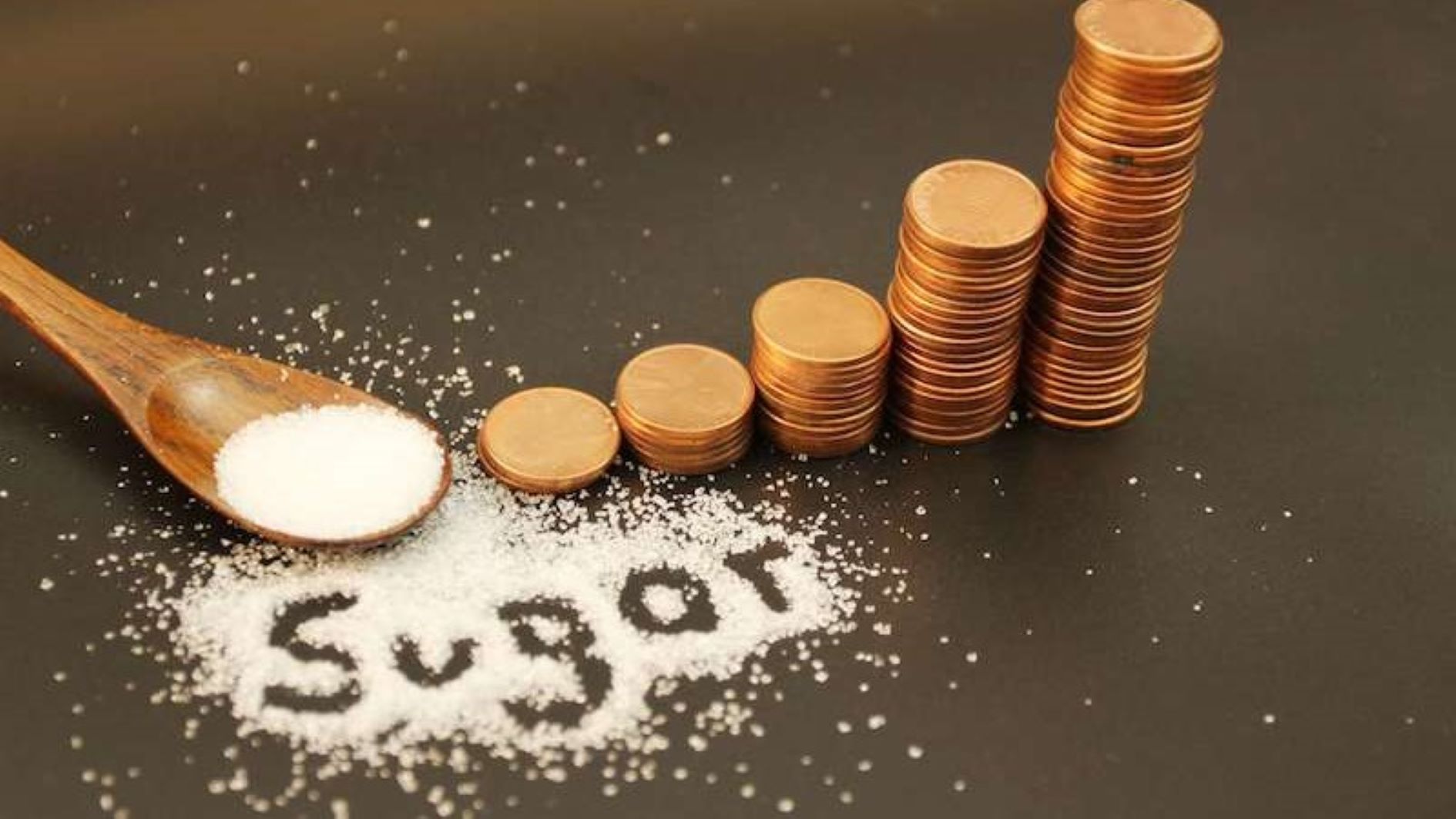
Manufacturers and industry stakeholders have expressed opposition to the recently proposed Customs and Excise Tariff (Amendment) Bill (CETA) 2025, warning that the legislation could worsen the country’s already challenged business environment and real sector if passed into law.
This opposition comes as the bill advances through the National Assembly and seeks to replace the current flat-rate excise duty on sugar-sweetened beverages (SSBs) with a percentage-based levy linked to retail prices.
Stakeholders have argued that the proposed changes could increase production costs, discourage investment and place additional pressure on businesses already grappling with major economic headwinds.
Under the current tax regime, manufacturers and importers of SSBs pay an excise duty of N10 per litre on products such as carbonated drinks, energy drinks and other sweetened beverages.
The lawmakers said the levy was introduced to discourage excessive sugar consumption and generate additional revenue for healthcare spending.
However, policymakers backing the amendment argued that inflation has significantly eroded the real value of the tax over time, reducing both its effectiveness as a public health tool and its contribution to government revenue.
To address this challenge, the proposed amendment seeks to replace the existing flat-rate levy with a percentage-based excise duty linked to the retail price of sugar-sweetened beverages. The exact structure of the levy would be determined by the Minister of Finance.
Stakeholders are, however, kicking against this proposed legislation, noting that it was coming at a very difficult time for manufacturers and employers.
They warned that additional taxes could further strain businesses already dealing with high operating costs, foreign exchange volatility, inflation and weak consumer purchasing power.
The Director-General, Manufacturers Association of Nigeria (MAN), Segun Ajayi-Kadir, criticised the proposal, noting that the association had repeatedly engaged policymakers over the impact of excise taxes on manufacturers in the past.
He explained that manufacturers had spent several years trying to recover from the disruptions caused by the COVID-19 pandemic and have continued to contend with rising production costs, making additional tax burdens impossible to absorb.
According to him, the proposed legislation represented a setback to MAN’s long-standing advocacy for a more supportive operating environment for manufacturers in Nigeria’s food and beverage sector.
Also, Director-General, Lagos Chamber of Commerce and Industry (LCCI), Dr Chinyere Almona, expressed deep concern over the potential economic consequences of imposing additional taxes on an already challenged sector.
While recognising the importance of promoting healthier lifestyles and reducing the incidence of non-communicable diseases, she said public health interventions must be designed to achieve health outcomes without imposing disproportionate costs on businesses, consumers and the larger economy.
She said: “At a time when manufacturers are grappling with high energy costs, elevated interest rates, logistics challenges, multiple taxation and weak consumer purchasing power, the introduction of additional taxes risks further increasing production costs.
“These higher costs are likely to be passed on to consumers through higher prices, worsening inflationary pressures and reduced demand for locally manufactured products.”
She expressed further concern that the tax could have unintended consequences across the industrial value chain as the beverage industry supports a wide network of suppliers, distributors, transport operators, retailers, farmers and service providers.
Any decline in production volumes resulting from increased taxation may negatively affect these interconnected sectors, leading to reduced investments, lower capacity utilisation, and potential job losses, she said.
She noted that a more balanced approach that combines public health education, voluntary industry reformulation initiatives, improved product labelling, consumer awareness campaigns and broader stakeholder engagement was needed, as such measures could help achieve health objectives while minimising adverse effects on industrial growth and employment.
“We want to see manufacturers reformulate their products over a transition period rather than raise prices due to SSB taxes. A reformulation-focused tax may be more effective than a revenue-focused tax. Incentivising lower sugar content can achieve health objectives while preserving industrial activity.
“Policymakers must carefully assess impacts on agriculture, manufacturing and supply chains before implementation, especially where industries support large numbers of jobs,” she said.
She urged the Federal Government and the National Assembly to undertake a redesign exercise through more technical engagement with manufacturers, health experts, organised private-sector groups, consumer associations and other stakeholders to create a policy that drives product reformulation that preserves sales and jobs.
Also, the Chief Executive Officer, Centre for the Promotion of Private Enterprise (CPPE), Dr Muda Yusuf, urged the government to focus on easing the cost of doing business and revitalising manufacturing, rather than imposing an additional layer of taxation on manufacturers, thereby worsening an already precarious sector.
He noted that the bill was ill-timed, insensitive to prevailing economic realities and inconsistent with the government’s commitment to reducing the tax burden on businesses.
Yusuf observed that at a time when the manufacturers were grappling with numerous challenges and businesses shutting down, the imposition of an additional excise tax would further erode industrial competitiveness and weaken investment prospects.
“Any additional tax burden on the industry would inevitably increase production costs, raise consumer prices, weaken demand, reduce capacity utilisation and threaten jobs across the value chain.
“Now that the economy needs stronger industrial growth, this proposal risks becoming a tax on production, investment and employment,” he said.

