 Follow Us on Google News
 Follow Us on Google Discover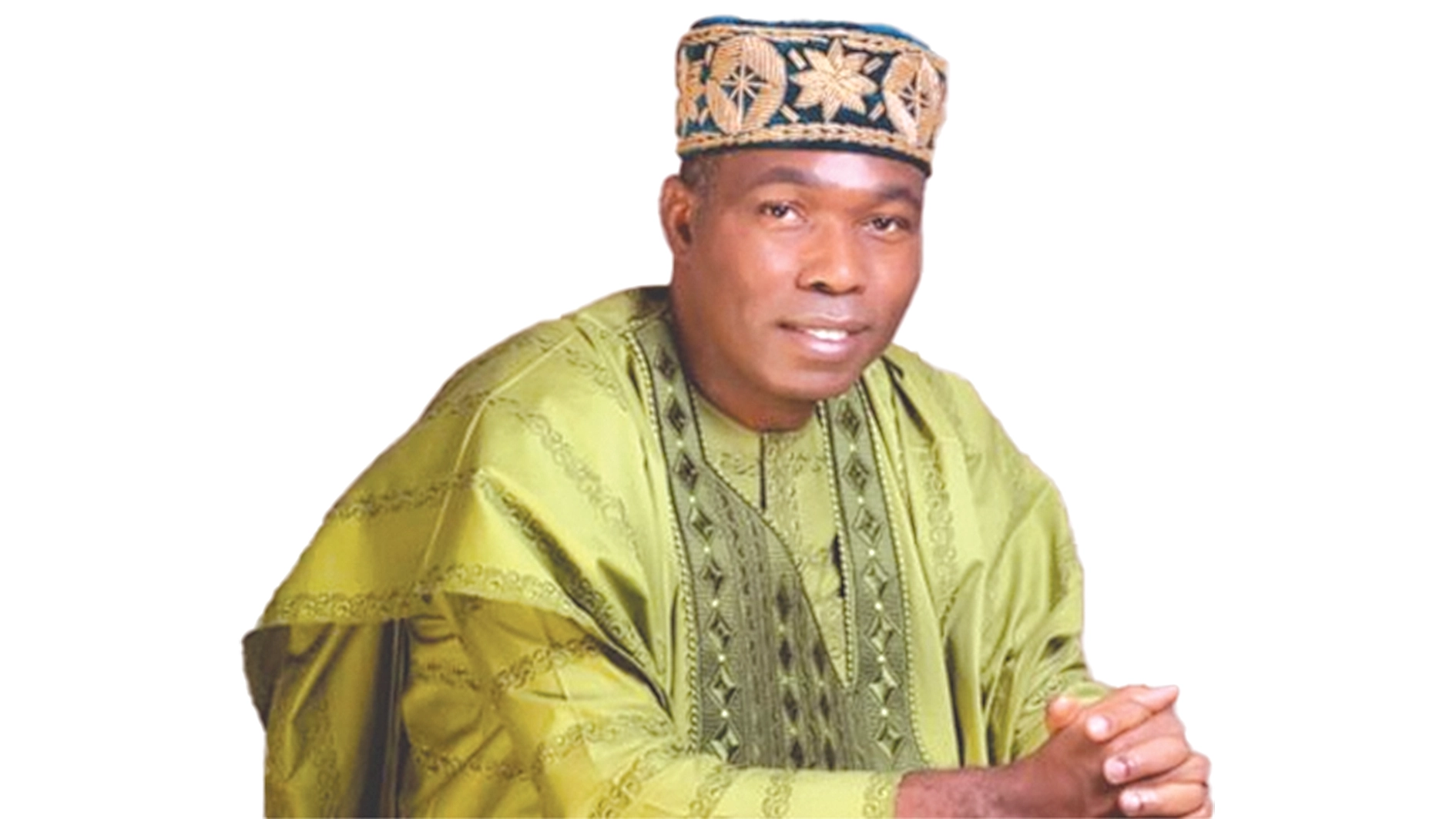
In one of his sharpest political interventions yet ahead of the 2027 elections, Social Democratic Party (SDP) presidential candidate, Prince Adewole Adebayo, dismissed speculation linking him to a possible vice-presidential ticket with former Vice President Atiku Abubakar and launched a blistering critique of President Bola Tinubu’s administration, declaring that the President was not destined to fail but had instead “chosen failure.”
Speaking on Nigeria Unfiltered on Symphony TV, Adebayo reflected on his political journey, assessed the current state of governance, and argued that Nigeria’s biggest challenge is not a lack of solutions but a failure of leadership.
Addressing growing speculation that he could emerge as Atiku’s running mate in 2027, Adebayo spoke respectfully of the former vice president but stopped short of committing to any alliance.
“I respect him as a democrat.”
He continued: “Let me tell you why I respect Atiku. He has never served in a military government before. During the Abacha era, when everybody was falling over themselves, he maintained a respectable distance.”
Adebayo revealed that Atiku was, in fact, his first presidential preference decades ago.
“Ironically, he was the first presidential aspirant I supported. In 1991 when I joined the SDP, there were candidates including Abiola and Atiku. At that time, after Yar’Adua was banned, I supported Atiku because he was younger and appeared energetic.”
But the conversation quickly shifted from political nostalgia to a sweeping indictment of the current administration.
Adebayo said he evaluated Tinubu’s government using three tests: constitutional obligations, campaign promises, and comparative performance.
“Let us agree on parameters so that my assessment is not based on bias.”
According to him: “The Constitution is the job description of government. It says security and welfare of the people shall be the primary purpose of government.”
His verdict was blunt. “As far as constitutional parameters are concerned, Tinubu has failed to organize a government.”
Adebayo argued that beyond constitutional expectations, the President had also failed to meet his own campaign commitments.
“In the promises he made, he not only failed the people, he failed himself.”
Referencing power supply and economic reforms, he said: “He said if he could not guarantee electricity, people should not vote for him. He did not only fail to generate electricity for Nigerians, he failed to generate confidence in the system himself.”
On insecurity, Adebayo escalated his criticism. “There are places in Nigeria that President Tinubu cannot go. I dare him to go. All the places I go in Nigeria, the President cannot go there.”
He accused the administration of imposing painful reforms without delivering measurable outcomes.
“He removed subsidy, took loans, and still cannot balance the books.”
But Adebayo insisted the current outcome was not unavoidable. “President Bola Tinubu was not destined to fail. He chose failure.”
Explaining further, he argued: “When somebody becomes president without preparation, circumstances may overwhelm them. But in this case, Nigeria’s problems were already known before he came into office.”
He added: “He is treating the office like a title he purchased, like a trophy. He doesn’t execute the office.”

Despite the criticism, Adebayo said Nigeria itself should not be mistaken for its current leadership. “The failure of Tinubu is not the failure of Nigeria.”
He proposed what he described as a reset built around constitutional governance, stronger institutions, and less executive interference.
“We should make elections free and credible. Government should not be reaching into INEC, the judiciary, the police, EFCC, ICPC, and constitutional bodies.”
Adebayo also targeted supporters of the administration who defend government performance.
“These people are playing the role of telling the emperor who is stark naked that he has colorful clothes.”
When asked about supporters who cite improving economic indicators and endorsements from international institutions, he dismissed the argument.
“They are playing the role assigned to them.” And then added: “They are not talking so Nigerians can listen. They are talking to an audience of one.”
Looking ahead to 2027, Adebayo argued that change would not come through elite negotiations but through voters.
“If Nigerians organize themselves and go to the polls, we can have a better future.”
He closed with a prediction that may become one of the defining soundbites of his intervention:
“If Nigerians organize ourselves together and defeat him handsomely at the ballot, President Tinubu himself may be relieved.”

