 Follow Us on Google News
 Follow Us on Google Discover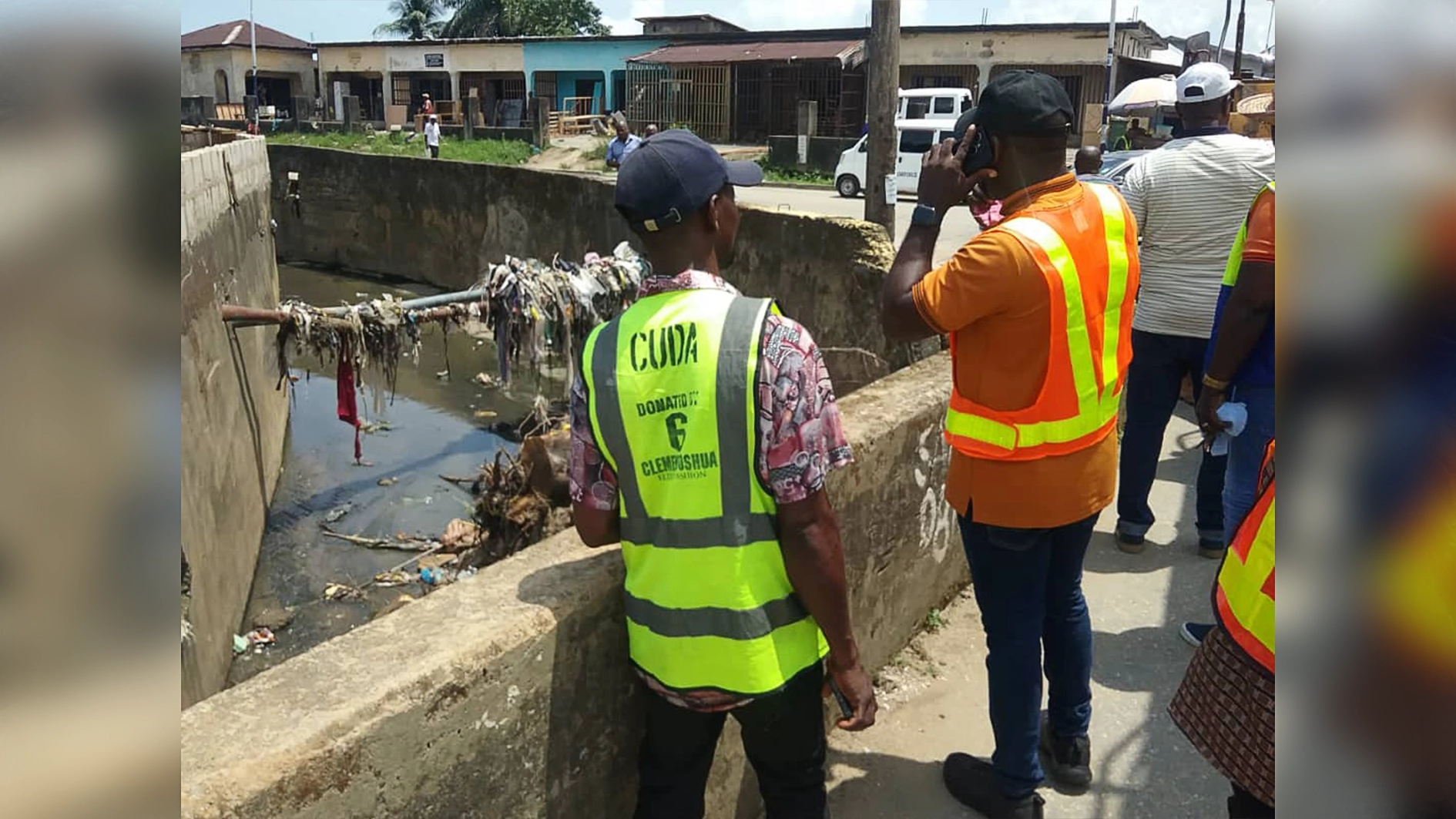
The anxiety that accompanies every rainy season is once again spreading across states in the South-South. With concerns mounting over the preparedness of governments and relevant agencies to mitigate the anticipated disaster, residents in vulnerable communities fear a repeat of the devastation witnessed in previous years. ANN GODWIN, TINA AGOSI TODO, SOLOMON AZU, JOSEPH KONJO, MONDAY OSAYANDE and JULIUS OSAHON examine the level of preparedness in the affected states, the challenges confronting mitigation efforts, and the concerns of residents as the rainy season intensifies.
A familiar anxiety is returning to residents of flood-prone communities across the South-South. Every rainy season in the oil-rich region brings fears of submerged homes, destroyed roads, displaced families and collapsing livelihoods.
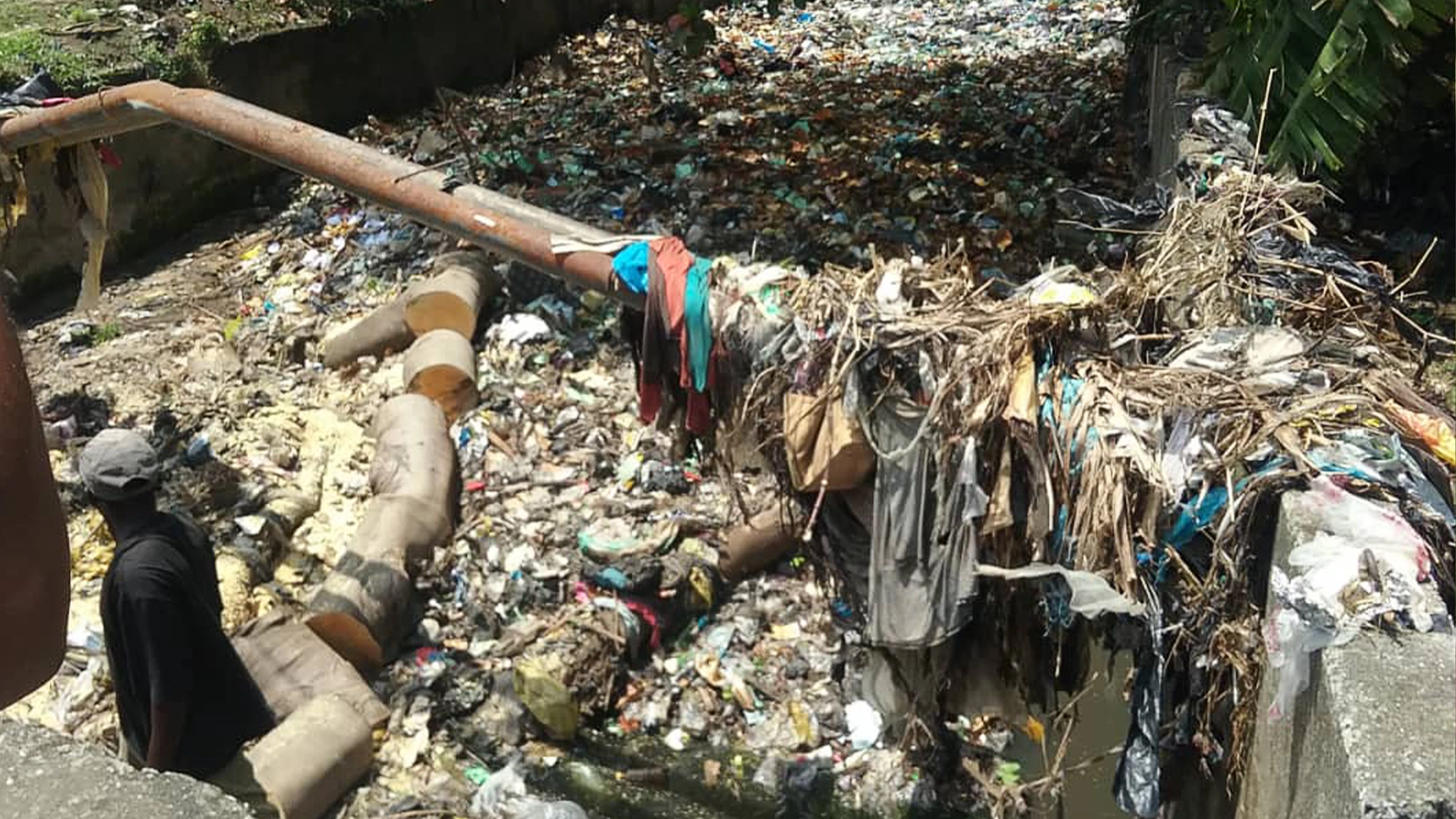
With torrential rains already battering many parts of the region, residents are increasingly worried as several communities contend with poor drainage systems, blocked waterways and indiscriminate dumping of refuse in gutters and canals.
In many areas, floodwaters are beginning to accumulate, triggering fears of a repeat of previous disasters.
The panic is heightened by the government and relevant agencies’ inadequate preparations to mitigate anticipated flooding. Rather than focusing on preventive measures such as clearing drainage channels, desilting waterways, setting up Internally Displaced Camps (IDP), relocating residents in high-risk areas, and strengthening emergency response mechanisms, attention appears to have shifted towards political alignments and realignments, as well as campaigns ahead of the 2027 elections.
In Rivers State, for instance, residents of Rumuokwachi Community in Obio/Akpor Local Council are already counting their losses. Several homes have been submerged, residents have been displaced, and businesses disrupted following flooding in the area.
The Nigerian Meteorological Agency (NiMet) had predicted severe flooding in several parts of the country, particularly states in the South-South region, including Bayelsa, Rivers, Edo, Delta, and Cross River.
The fear of the residents was a sequel to last year’s flooding, which left a trail of destruction across Bayelsa, Delta, Rivers, Akwa Ibom, Cross River and Edo states, where thousands of homes were submerged, with many buildings suffering structural damage while others were completely washed away.
In the above-mentioned states, post-flood assessments showed that a significant number of houses were either partially or fully destroyed. The floods also triggered mass displacement as thousands of families fled their homes and sought refuge in camps, schools, churches and with relatives.
Agriculture also suffered severe setbacks as large expanses of cassava, yam, rice, plantain and vegetable farms were inundated, while farmers lost crops and seedlings, worsening food insecurity and depriving households of critical sources of income.
Roads, bridges and rural access routes were equally affected, leaving many communities cut off from neighbouring towns and disrupting economic activities. Fishing settlements, markets and small businesses recorded heavy losses as shops and goods were submerged by floodwaters.
Public infrastructure was not spared. Schools, health centres and government facilities were flooded, disrupting educational and healthcare services. Riverine communities experienced erosion, destruction of riverbanks and environmental degradation.
Despite these experiences and current flood predictions, there has been little evidence of deliberate efforts to mitigate the flood challenges or desilt critical waterways; rather, political activities have overshadowed urgent environmental concerns.
Even emergency management agencies appear to be struggling to raise residents’ awareness of the impending flooding. Close monitoring shows that the National Emergency Management Agency (NEMA) in Rivers State has yet to implement any awareness programmes, nor has it adopted any other intentional approaches to tackle the challenge.
When contacted, the NEMA public relations unit failed to reveal what the agency is doing or explain its level of preparedness.
In Bayelsa State, The Guardian observed that residents of communities, including Cemetery Road, Azikoro, Ekeki, Okaka, Swali, Kpansia, Amarata and Ovom, are already experiencing the effects of the rainy season as flash floods have begun to overtake parts of the state capital.
A Bayelsa resident, Mr John Dikivie, urged the state government to intensify efforts to clear the drainage system and natural canals before the peak of the rainy season.
“The government seems to prefer a fire-brigade approach instead of being proactive. This is the right time to deploy swamp buggies to clear natural canals so that when the rains come, water will flow.”
On his part, an environmentalist, Mr Godwin Ekubo, said the 2022 flood crisis in Bayelsa displaced at least 1.3 million people.
Responding on behalf of the government, the Director General of Flood and Erosion Control in Bayelsa, Omuso Omuso, claimed the state has put some measures in place to tackle flooding.
But residents of Amarata, in particular, have reported increasing difficulties navigating roads following days of heavy rainfall. Many drains and canals have become clogged with household waste, restricting the free flow of water and worsening flooding.
However, the situation appears different in Cross River State. During visits to some flood-prone areas of Calabar, ongoing desilting activities were observed along Channel One near Target Road, in Calabar South Local Council, extending through parts of Ibom Layout and adjoining communities.
Heavy equipment and evacuation trucks were seen clearing silt, refuse and overgrown vegetation from drainage channels to improve water flow.
Similar operations were also ongoing around major drainage corridors along the Murtala Mohammed Highway and Eight Miles in Calabar Municipal, areas that have repeatedly suffered flooding during periods of heavy rainfall.
Speaking on the state’s preparedness efforts, the Director General of the Cross River State Emergency Management Agency, Antigha Gill, said 13 out of the 18 local councils have already been classified as flood-prone, and the state government is doing its best to guard against flooding.
In Delta State, where flooding in 2025 claimed the life of a middle-aged woman whose body was later recovered from a deep gully at Alibuoba Quarters in Agbor, Ika South Local Council, the government insists it is better prepared this year.
From Asaba to the commercial hubs of Warri, Effurun, Okpe and Agbor, officials say proactive measures have been implemented to reduce the impact of flooding that has become an annual challenge for residents.
Yet, despite assurances of newly cleared canals, improved stormwater drainage systems and strengthened emergency response structures, flooding is already affecting parts of the state, exposing a gap between official assurances and realities on the ground.
For many residents, flood management has become more than an environmental concern; it is now an annual struggle for survival.
For many residents, the yearly cycle of flood prevention, destruction and emergency response has become exhausting. A concerned resident of a flood-prone area, Jackson Omeme, argued that the state must move beyond temporary interventions and provide permanent solutions.
According to him, yearly flood-prevention measures come with huge financial costs while residents continue to lose valuable property and investments every year.
The Delta State Commissioner for Environment, Jamani Ejiro, told The Guardian that the government has intensified preventive actions in vulnerable communities.
According to him, open canals and drainage channels have been cleared to ensure the free flow of water during heavy rainfall.
“In Asaba, we constructed the last two drainage channels required to ensure stormwater flows seamlessly into the Awai River,” the commissioner said.
Speaking further, the commissioner added that similar drainage interventions have been carried out in Warri, Effurun and Okpe, where stormwater channels were designed to direct floodwaters into natural outlets. In Agbor, underground drainage systems were also constructed to address persistent flooding.
The government’s assurances notwithstanding, several communities across the state are already battling severe flooding and erosion.
The traditional ruler of the Ebu community, in Oshimili North Local Council, Onu Opili, painted a grim picture of worsening gully erosion that has devastated roads and isolated parts of the community.
According to the monarch, the erosion has destroyed access roads leading to his palace, effectively trapping him within the palace premises.
He said that unless long-term investments are made in sustainable urban drainage systems, erosion control projects and climate adaptation infrastructure, communities across Delta State may continue to face recurring environmental disasters.
In Edo State, despite billions spent on flood control, residents still live in fear as the rainy season intensifies. Successive governments have committed huge amounts to tackling flooding in the state, particularly in the Benin metropolis. For instance, during Adams Oshiomhole’s administration, the Edo State government reportedly committed about N30 billion to the Benin Storm Water Project, aimed at tackling flooding in Benin City.
Additionally, in 2011, the same government separately approved N6 billion for the construction of a major canal to channel flood water out of Benin metropolis. Consequently, former governor Godwin Obaseki, during the launch of the Edo State Flood, Erosion and Watershed Management Agency (Edo FEWMA) in January 2023, said his administration spent over $150 million on flood control and erosion management across the state.
Despite the whopping sum successive governments claimed to have spent on flood control and erosion in the state, residents of flood-prone communities, especially in Benin City, are at the mercy of the perennial ravaging natural disaster.
Narrating his ordeal during the downpour on Thursday, May 14, 2026, a resident, Peter Onaiwu, said his car was almost grounded in the downpour, which lasted for less than two hours, adding that many vehicles were trapped in the erosion at Uselu, Adolor, Federal Road, etc.
He added that adjoining streets, including St. Patrick Road, Uwasota by Uwelu Road, Adolor, etc., which motorists could have used as alternative routes, were all flooded.
Subsequent downpours also rendered Stadium Road, the precincts of First Bank, Guarantee Trust Bank by Ekewan Road, University of Benin by Ekewan Road etc., impassable. Vehicles had to drive against traffic on the Ekewan Road axis due to heavy flooding on the other side of the pavement, while vehicles literally swam on the single-lane Stadium Road.
Speaking on the flood menace, Professor Momoh Lawal Rilwani of the Department of Geography and Environmental Management at Ambrose Alli University, Ekpoma, attributed the challenge to climate change and, in some cases, human activities.
He said: “We are in the era of climate change. You can see that the rains are coming at an unusual time, and sometimes the intensity is very high. One of the major issues is that the drainage system is not functional, having been blocked by residents’ activities.
The state Commissioner for Communication and Strategy, Kassim Afegbua, who spoke of efforts the government put in place as the rainy season approached, urged residents to refrain from dumping refuse into drainage systems and to do so only at designated areas, emphasising that the flood menace was largely man-made.

