 Follow Us on Google News


 Follow Us on Google Discover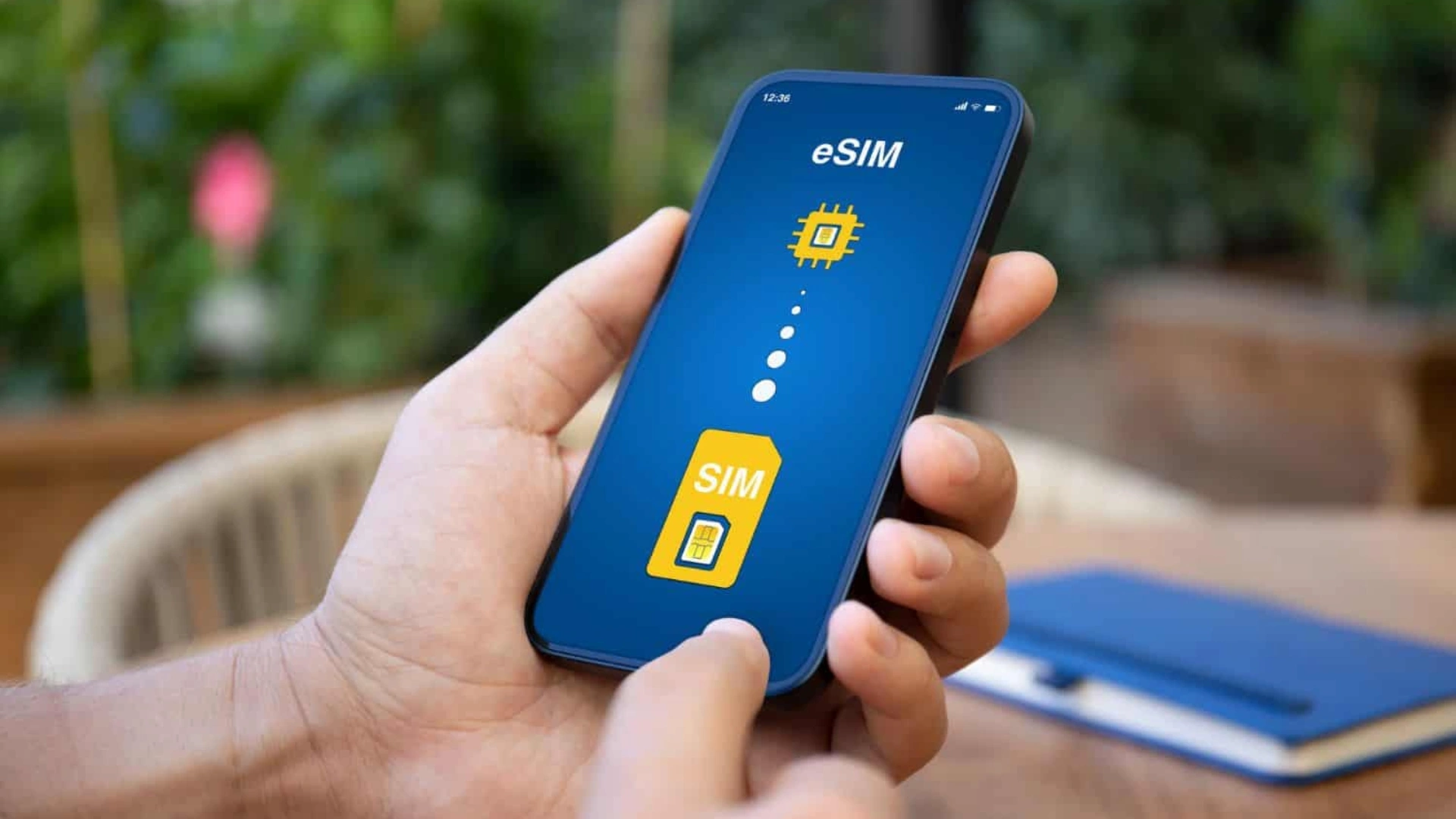
Planning a trip abroad usually involves a long checklist of flights, hotels, and packing essentials. Many travellers now add a travel eSIM to that list to avoid high roaming charges and stay connected easily. This digital SIM card technology offers a convenient way to access local data without swapping physical cards.
However, excitement for a seamless connection can lead to a common mistake: skipping the compatibility check. Buying travel eSIM plans that the smartphone cannot support results in wasted money and unnecessary stress upon arrival. Ensuring the hardware and software are ready for this technology is a vital step in any travel preparation process.
Understanding Device Requirements
Every smartphone model has specific hardware limitations that determine its ability to support an embedded SIM. While newer flagship phones typically include this feature, many budget or older models rely strictly on physical slots. Manufacturers began integrating this technology at different times, so a phone from three years ago might lack the necessary internal chip.
Checking the official specifications of a device clarifies whether the internal hardware can even recognise a digital plan. Without the physical chip soldered onto the motherboard, no software update or app can enable this functionality. Verification prevents the frustration of purchasing a data package that the phone is physically unable to activate.
Verification Of Network Locks
A phone might have the right hardware but still fail to activate a travel plan due to carrier restrictions. Many devices purchased through a contract remain locked to a specific network until the user pays off the balance. These locks prevent the device from accepting credentials from any other provider, including international data services.
Travellers should contact their current service provider to confirm the status of their handset before they depart. A locked phone renders a new digital plan useless because the internal security software blocks the connection. Confirming an unlocked status ensures the device accepts signals from overseas networks without any digital barriers.

Software Version Significance
The operating system on a smartphone must be current to manage the complexities of multiple digital profiles. Older versions of Android or iOS sometimes lack the interface needed to scan QR codes or manually enter activation strings. Developers release patches and updates that specifically improve how a device handles handoffs between different global networks.
Running an outdated system might cause the settings menu to glitch or fail to show the necessary cellular options. A quick check of the system settings reveals if a download is necessary to support the latest connectivity standards. Modern software provides the stability required to keep a data connection active throughout a journey.
Regional Hardware Variations
Smartphone manufacturers often produce different versions of the same model for various global markets. A phone purchased in one country might lack certain frequency bands or features found in the same model sold elsewhere. Some regions continue to favour dual physical slots over the combination of a physical slot and an internal chip.
This means two people with the same brand of phone could have different experiences when trying to download a profile. Researching the specific model number helps travellers identify if their regional variant supports the digital standard. Knowing these distinctions saves travellers from the confusion of why a specific feature is missing from their menu.
Risk Mitigation For Travel Budgets
Spending money on a data plan that does not work is a quick way to drain a vacation fund. Most digital plan providers have strict refund policies that do not cover user error regarding hardware compatibility. Once a customer receives the activation code, the transaction is often considered final and non-refundable.
Checking the device beforehand protects the traveller from losing twenty or fifty dollars on a service they can never use. It also eliminates the need to buy an emergency physical SIM at an overpriced airport kiosk. Financial foresight allows for a much smoother transition into a new country without unexpected expenses.
Connectivity, Stability, and Performance
Compatibility goes beyond just making the plan work; it also affects the speed and reliability of the internet. A compatible device ensures that the antenna can access the specific LTE or 5G bands used by the local partner network. When a device is fully optimised for travel eSIM plans, the user experiences fewer dropped connections and faster upload speeds.
Incompatible or partially compatible phones might struggle to find a signal in rural areas or inside buildings. Proper research guarantees that the hardware can handle the local infrastructure for a consistent browsing experience. High-quality performance allows travellers to use maps, translation apps, and social media without any lag.
Travellers who take the time to verify their device status enjoy a much more relaxed start to their adventures. The process only takes a few minutes but provides the certainty needed to navigate a foreign environment. Since digital SIM technology is still a relatively fresh standard, assumptions about a phone’s capabilities often lead to errors. Staying informed allows every traveller to focus on the sights rather than the settings on their screen.

