 Follow Us on Google News


 Follow Us on Google Discover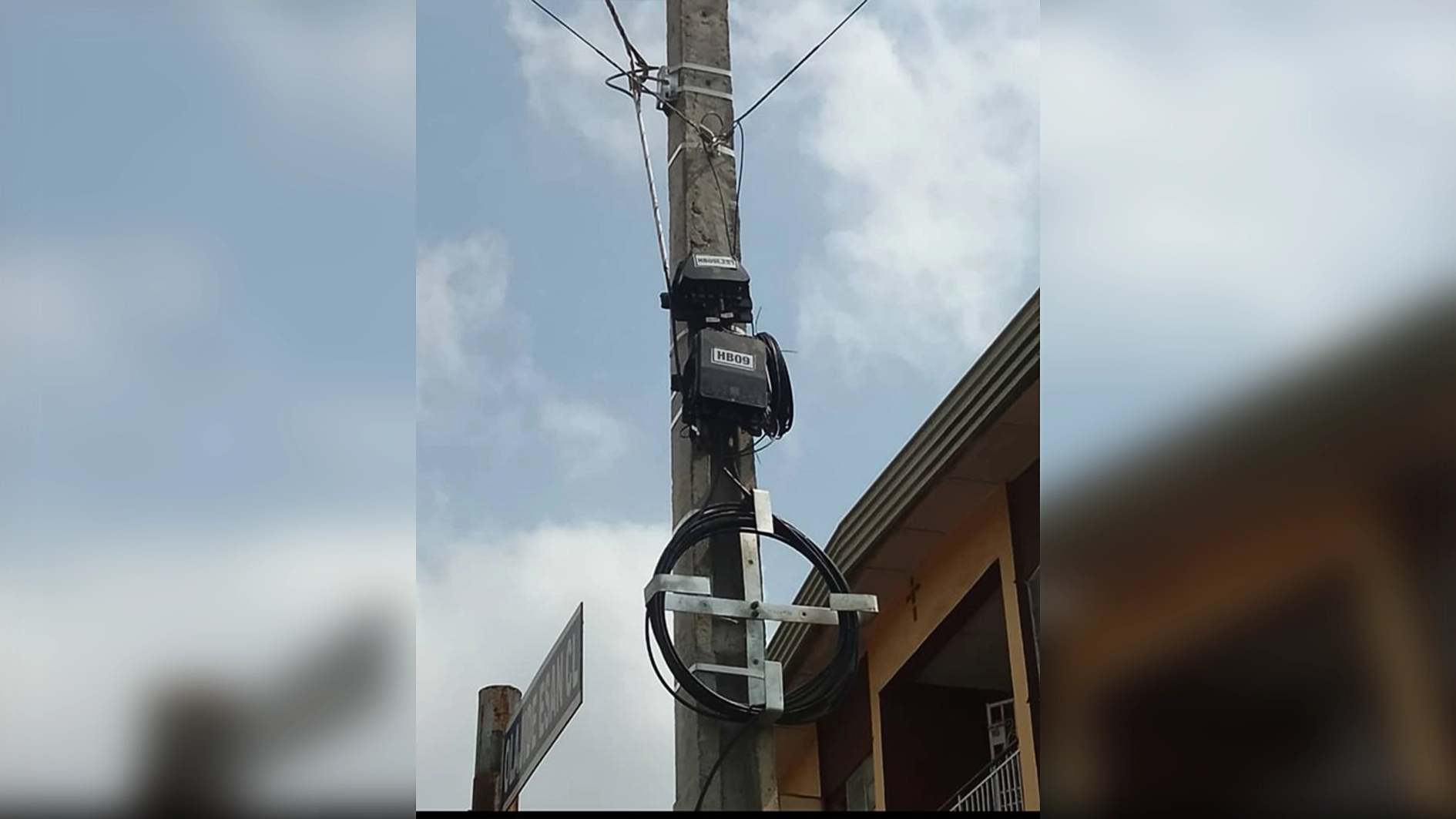
Fibre-to-the-home (FTTH) connections in Nigeria rose by 149 per cent as of the end of 2025, the Nigerian Communications Commission (NCC) data has revealed.
The number rose from 84,141 subscribers in Q4 2025 to 210,065 subscribers as of the end of 2025.
NCC noted that while the number of connections remains modest relative to the scale of national demand, the upward trend reflected growing adoption of fixed broadband services.
The telecom regulator said the expansion of FTTH and other fixed-fibre connections would help ease pressure on mobile networks, improve service quality, and provide consumers with more connectivity options.
The NCC Board, after its 109th meeting, appreciated the Commission’s ongoing review of the telecommunications market structure to reflect current market realities, including the distinct roles of the wholesale and retail segments and the application of appropriate regulatory measures where necessary.
The Board further noted that broader access to wholesale backbone fibre, supported by expanded metropolitan fibre networks, will enable more homes, buildings and businesses to connect to fixed broadband services. Over time, this should help to reduce underlying connectivity costs, create the conditions for more affordable retail data services and improve network resilience.
Meanwhile, the Association of Telecommunications Companies of Nigeria (ATCON) has raised the alarm over persistent challenges slowing further FTTH deployment across the country.

Despite growing demand for high-speed broadband, operators and investors face multiple taxation regimes, high right-of-way charges, regulatory bottlenecks, and infrastructure vandalism. Inconsistent policies across states, limited financing options, and high capital expenditure requirements have further hindered progress, leaving millions of Nigerians without reliable access to fast internet for education, healthcare, commerce, and innovation.
Analysts noted that FTTH in Nigeria is steadily transforming Internet access by delivering ultra-fast, reliable broadband directly to households. Major providers such as MTN and Layer3 offer speeds ranging from 50 Mbps to 1 Gbps, with some deployments exploring next-generation XGS-PON technology for even higher capacity.
They noted that these services often come with unlimited data, making them ideal for streaming, gaming, and remote work. However, challenges remain, including high subscription costs, infrastructure gaps, and limited coverage outside major cities like Lagos and Abuja. Despite these hurdles, FTTH is driving digital inclusion and positioning Nigeria for a more connected future.

