 Follow Us on Google News


 Follow Us on Google Discover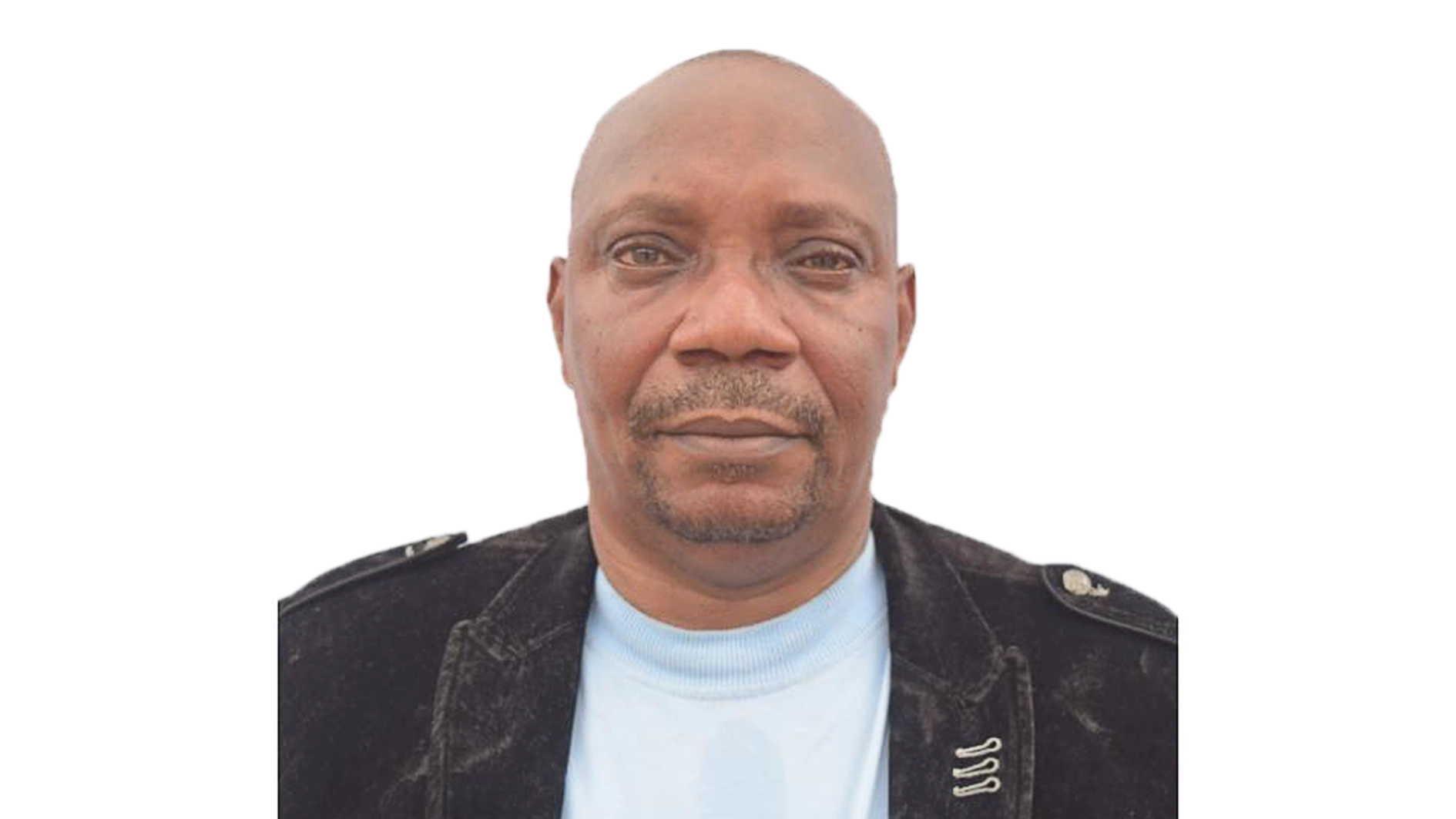
Dr Anthony Onoharigho is the Rector of Conarina Maritime Academy and a former deputy registrar of the Liberia Maritime Authority. In this interview with ADAKU ONYENUCHEYA, he speaks extensively on a ship registration model that can work for Nigeria.
The Liberian Maritime Authority recently visited Lagos to engage with the Nigerian Maritime Administration and Safety Agency (NIMASA) on potential areas of partnership. Having worked in Liberia, how would the planned collaboration help to boost its ship registry?
Liberia is one of the highest ship registries in Africa and in fact the world. The Nigeria ship registry operates on a closed registry, while Liberia operates an open registry. If this memorandum of understanding (MoU) could work, then Nigeria can learn how to adopt the Liberia pattern or model. I have been advocating for an open ship registry for so many years. When I was the president of the Nigerian Institute of Shipping, I made the call on many occasions.
One of the reasons Nigeria couldn’t get Category B or C, or be included on the International Maritime Organisation (IMO) whitelist, is that our fleet level is very low. The problem we had then was that since the fleet level is very low, the tonnage itself is also low because people prefer to go to where you can have certification class registration within 24 hours, as soon as you apply. But in NIMASA, which I am also a part of, it takes a long time to register a vessel under the Nigerian flag.
For example, if I want to put a vessel under the Bolivia flag, it takes me only 24 hours to get the document together, do the paperwork and send it to Bolivia. In 15 to 16 hours, they would have registered me.
Now, what are the benefits of an open registry? When I was talking about selling Nigeria’s image to the international community, I meant that an open registry could also affect how we are perceived globally. You may see a vessel flying the Nigerian flag, even many operating in Lagos, and that becomes one issue.

When vessels use our flag in a way that projects a certain image internationally, it reflects a credible and well-regulated maritime identity rather than image laundering. It also has economic benefits to the country. The country requires money. So, for any vessel registered under a Nigerian flag, there is a yearly payment for flag registration. That money is free to the country by only hosting a Nigerian flag.
Between the open and closed ship registry models, which is more suitable for Nigeria and why?
An open registry will open the maritime industry. It will create employment. People everywhere are looking for jobs. If the model is being enforced, and we combine the open registry and cabotage enforcement, then you can also have more people on board the ship.
I can put so many vessels in a Nigerian flag within six months, and those flags will increase the fleet of Nigeria. How did Liberia and Panama have one of the highest fleets in the world?
They were taking ships from other countries into their registry. But coming back to Nigeria, the bureaucratic bottleneck for you to register a vessel under the current dispensation is much. It takes about two to three weeks to get things done.
I have been advocating the fact that they should make sure that this thing is reduced so that people can do it online. But it does not work. A non-exclusive surveyor has to go on board the ship. Who pays the money for the flight for the person? It is the shipowner. Instead of sending correspondence to the ship registry, they will require the vessel to send a representative to the ship. They pay for his flight ticket, and they take care of his feeding and logistics while he is there. He then returns and submits a report. Most of these reports take about one to two weeks to be produced by a non-exclusive surveyor.
And inside the office of the survey department, we have to recognise this very report, and it still takes another two weeks. So, it takes about three months to bring one vessel to the Nigerian registry. Though it has come down now, let me be fair to them, the time frame for the vessel to be registered in Nigeria has reduced over the years. But we have not got to the point where we can do it in a short time.
It is a win-win situation for Nigeria to understudy the Liberian model of ship registration and improve its own system. Liberia has a globally recognised ship registry model. However, it should be noted that Liberia’s registry operations are largely managed in the United States, where most documentation and administrative processes are handled. The Liberian government primarily receives a retainer fee for vessels registered under its flag.

