 Follow Us on Google News


 Follow Us on Google Discover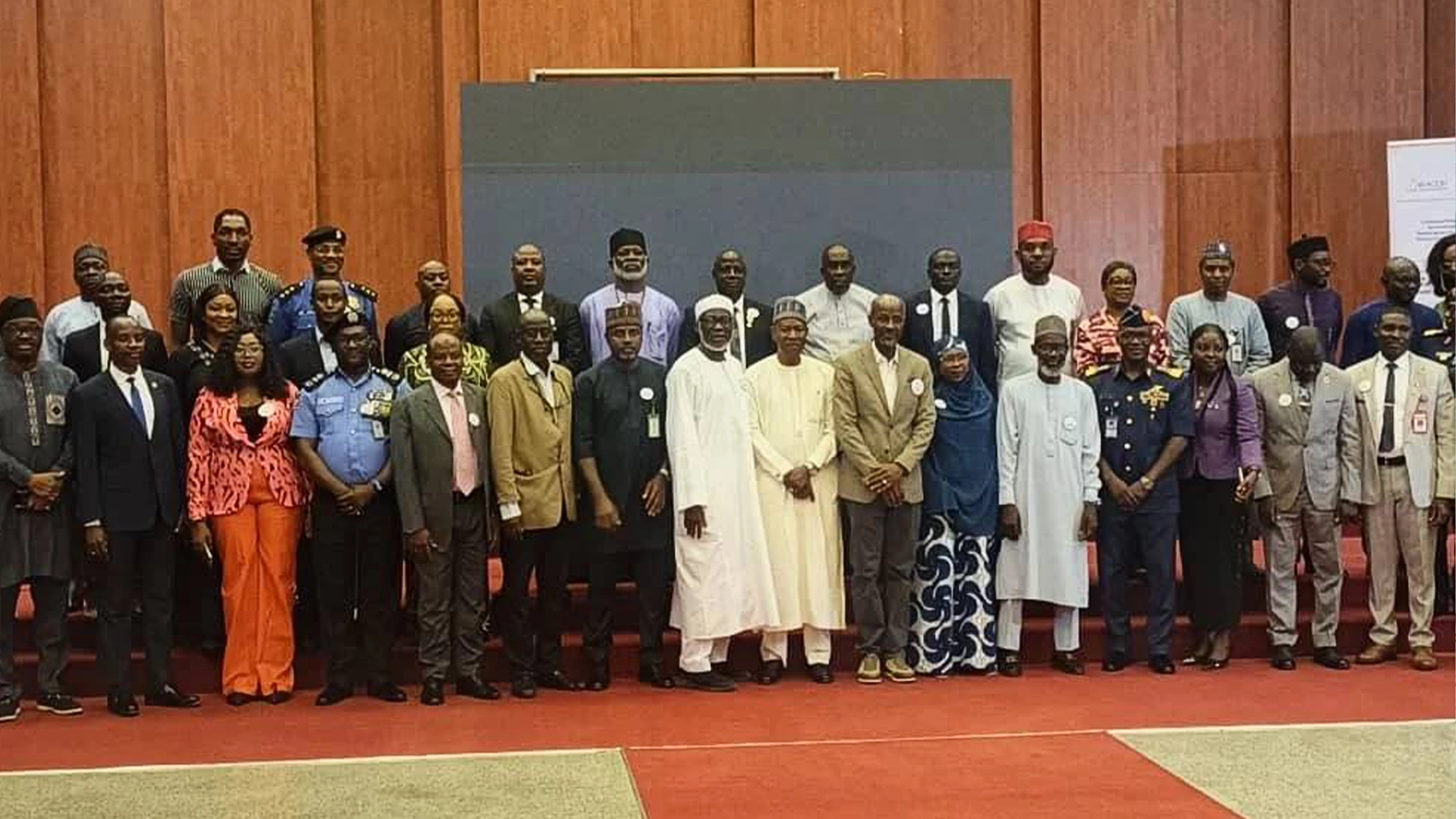
Stakeholders have endorsed draft national frameworks designed to tackle ethnic profiling and stereotyping in Nigeria’s security and media sectors, describing the initiative as a critical step towards promoting national unity, public trust and responsible communication.
The frameworks, validated at a meeting organised by Beacon Security and Intelligence Limited (BSIL) in partnership with the WhiteInk Institute for Strategy, Education and Research (WISER), seek to guide security agencies and media practitioners in adopting conflict-sensitive, rights-based and professional communication practices.
The documents include the Anti-Ethnic Profiling and Stereotyping Toolkit for Security Communication and a corresponding media communication framework aimed at reducing harmful narratives that could fuel division and mistrust among communities.
Participants stressed the need for both frameworks to maintain consistent language, definitions and implementation standards to ensure effective application across institutions.
They also agreed on the importance of distinguishing between unlawful ethnic profiling and legitimate intelligence-driven security operations, noting that the frameworks should support accountability and human rights compliance without hindering lawful security duties.
The stakeholders further recommended the use of neutral and factual language in reporting incidents and cautioned against generalisations that could stigmatise ethnic groups or communities.

Emerging threats such as misinformation, disinformation, misuse of artificial intelligence and online hate speech were incorporated into the revised frameworks.
Speaking at the event, President of WISER, retired Brigadier-General Saleh Bala, said the initiative was aimed at promoting accuracy, fairness and professionalism in public communication, noting that communication could either build peace or deepen societal divisions.
Managing Director of BSIL, Dr Kabiru Adamu, urged stakeholders to ensure the frameworks are implemented, saying they were developed through extensive consultations and should serve as practical tools for national cohesion.
Professor Umaru Pate described the initiative as a strategic intervention to strengthen collaboration between the media and security institutions while addressing factors that contribute to insecurity.

