 Follow Us on Google News
 Follow Us on Google Discover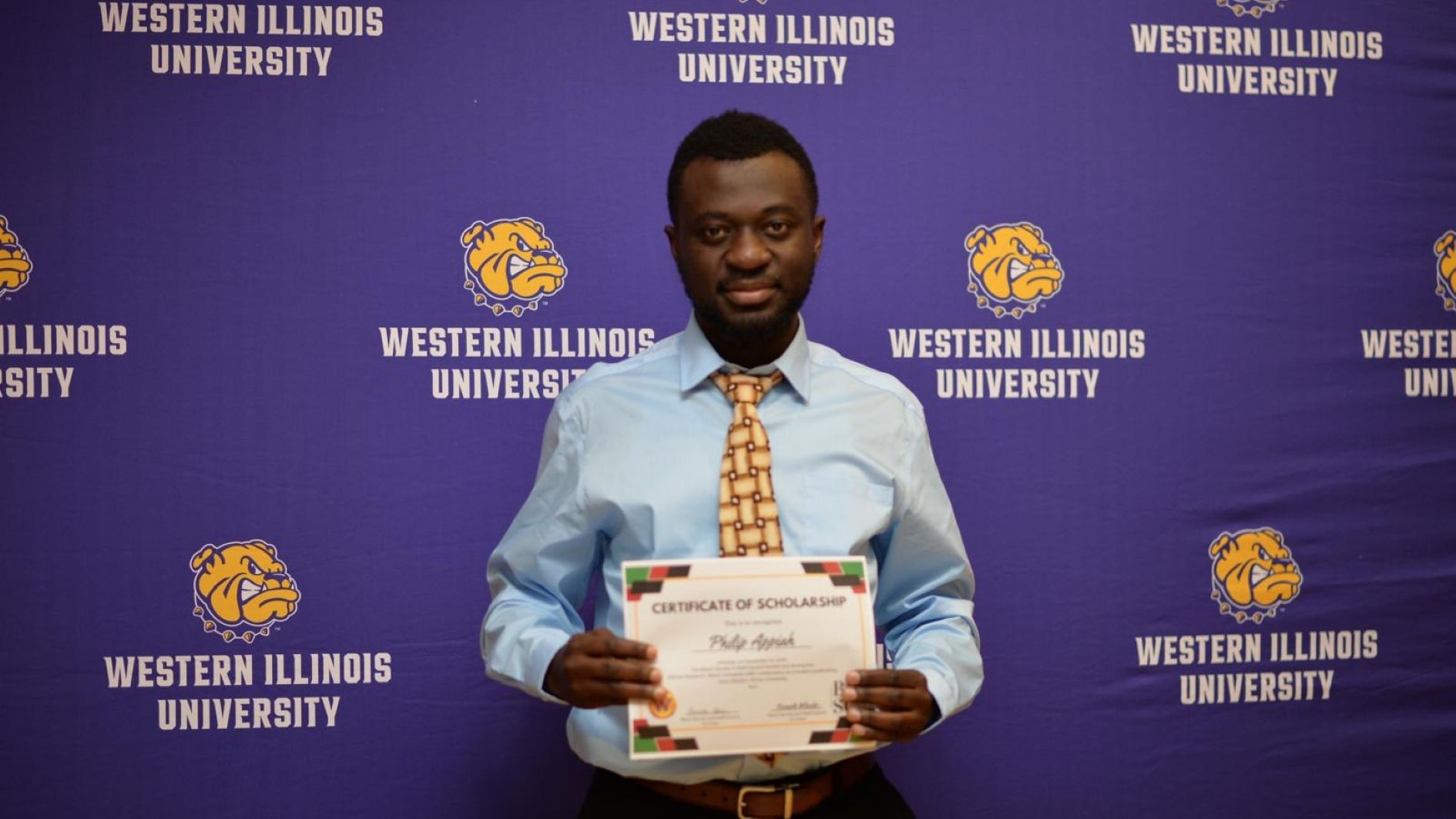
As the global demand for wildfire management experts and ecological researchers continues to rise, a leading expert in the field of emerging fire ecology, Philip Appiah has continued to position himself at the forefront of scientific innovation and environmental resilience, even as he expands his research and practical experience across North America.
Currently pursuing a Master’s degree in Biology at Western Illinois University, the Ghanaian-born biologist has built an impressive profile that combines ecological science, wildfire management training, agricultural biotechnology, and laboratory operations.
Speaking at the sidelines of a recent ecological and fire management engagement where he was a participant and researcher, Appiah disclosed that the growing intensity of wildfires across the United States and other parts of the world has made professional fire ecology training more important than ever.
According to him, climate change, prolonged droughts, and poor land management practices have contributed significantly to the increase in destructive wildfire events, creating an urgent need for professionals capable of understanding fire behavior and implementing preventive strategies.
“Wildfire management is no longer just about extinguishing fires,” he said.
“It is now about understanding ecosystems, predicting fire behavior, protecting communities, restoring damaged landscapes, and using science-driven approaches to reduce future risks.”
Appiah noted that his training in the United States exposed him to the realities of modern wildfire response systems and the importance of collaboration among emergency agencies, environmental scientists, and conservation groups.
“In America today, you cannot separate ecology from fire management because fires now shape ecosystems, economies, agriculture, and public safety,” he explained.
“The knowledge of how terrain, weather, and vegetation influence wildfire spread is critical in saving lives and protecting biodiversity.”
The biologist, who earned several professional certifications in 2024, including Human Factors in the Wildland Fire Service, Introduction to Wildland Fire Behavior, Incident Command System, and National Incident Management System certifications, said the programmes equipped him with the practical and technical skills needed for emergency coordination and ecological restoration.
He further revealed that participating in a prescribed burning exercise organized by The Nature Conservancy gave him firsthand experience in the use of controlled fire to reduce hazardous fuel loads and maintain healthy ecosystems.
Appiah called on governments, environmental agencies, universities, and conservation institutions across Africa and beyond to invest more heavily in ecological education, wildfire preparedness, and interdisciplinary scientific research.
He urged policymakers to begin integrating fire ecology into environmental planning and agricultural sustainability strategies, stressing that African countries must not wait for catastrophic wildfire disasters before developing coordinated management systems.
“Many countries are still reacting to environmental disasters instead of preparing for them,” he said.
“We need stronger investments in ecological science, research infrastructure, early response systems, and public awareness if we truly want resilient landscapes and safer communities.”
His responsibilities include operating specialized laboratory and agricultural equipment, processing thousands of seed samples monthly, conducting moisture and quality control analysis, and collaborating with agronomists and research scientists to improve research efficiency and production timelines.
Born in Kumasi, Ghana, Appiah attended Opoku Ware Senior High School before earning a degree in Biological Sciences at Kwame Nkrumah University of Science and Technology. Widely recognized for academic excellence from an early stage, he was named Outstanding Student of the Atwima Kwanwoma District in 2014 and 2015, achievements sponsored by former Member of Parliament, Appiah Kubi.

