 Follow Us on Google News


 Follow Us on Google Discover
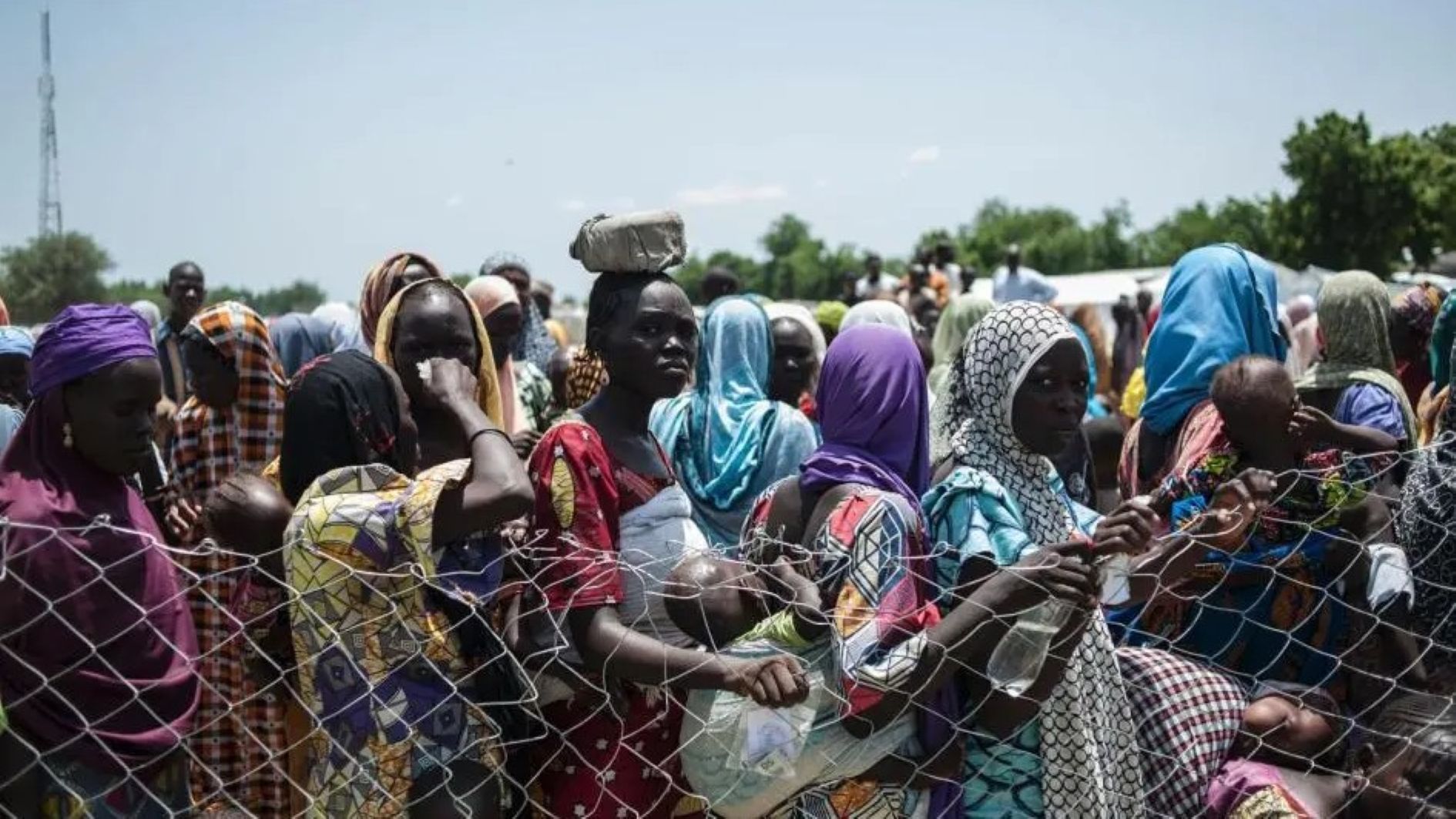
A strategic shift from managing humanitarian crises to implementing long-term community-owned development projects is imperative to addressing the plight of over 3.5 million displaced persons in Nigeria, the United Nations and the European Union (EU) have said.
This comes as data from the International Organisation for Migration (IOM) indicates that the displacement crisis affects about 3.5 million people in Nigeria.
Speaking in Abuja during a dialogue of the project steering committee on durable solutions for internally displaced persons (IDPs), the UN Resident and Humanitarian Coordinator in Nigeria, Mohamed Fall, noted that internal displacement has transcended a mere humanitarian emergency to become a complex development, peace, and human rights challenge.
Fall noted that the message on engaging directly with an affected population is often that people want safety, stability, and the opportunity to support themselves again. Therefore, he said that through the common programme, the agency will reach close to 200,000 children and adolescents with education and skills training, while “close to 150,000 people will be supported to access sustainable livelihoods.”
On her part, the EU Head of Cooperation in Nigeria, Massimo De Luca, disclosed that the bloc plans to phase out short-term livelihood assistance in conflict-affected regions, shifting its financial focus toward private sector-led development.
He explained that this strategy will guide the EU Support for Internally Displaced Persons in Nigeria (SIDPIN) project covering Yobe, Adamawa, Benue and Kano states, as well as the Support for Protection, Assistance and Durable Solutions (SPADS) project in Sokoto State.
In view of this, De Luca added, “Let’s review all our livelihood interventions and development projects to see how they can contribute to the purposes of durable solutions. We need to move out of humanitarian-style interventions.”
Meanwhile, the Danish Refugee Council (DRC) has revealed that 50 per cent of supported internally displaced households in Sokoto State have successfully migrated from camps into urban communities.
Program Manager for the North West, Victory Daniel, stated during a presentation on the “Direct and Effective Social Inclusion of Displaced Families” project that the initiative utilises the “Green Graduation Approach” to lift displaced families out of extreme poverty.
More so, Daniels said a survey indicated 63 per cent of displaced families prefer permanent integration into urban towns.
UN, EU move to resolve Nigeria’s 3.5m internal displacement crisis
Date: 19 June 2026 4:18am WAT
North East
North East

