 Follow Us on Google News


 Follow Us on Google Discover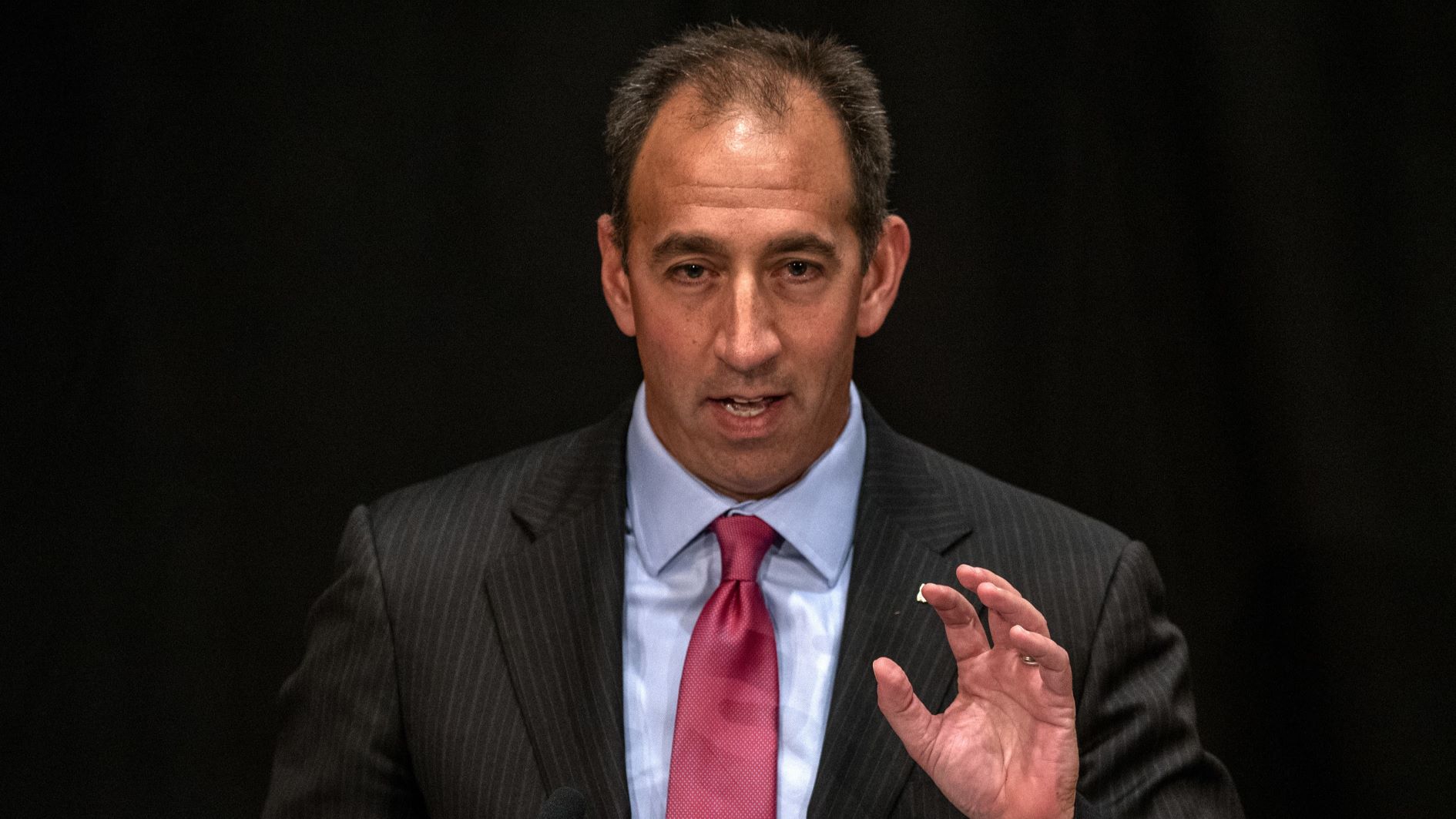
The United States has expressed support for winding down key functions of the United Nations’ International Residual Mechanism for Criminal Tribunals (IRMCT), while calling for further clarification on the future of certain judicial responsibilities that could remain in place indefinitely.
Speaking during a United Nations Security Council briefing on the Mechanism recently, United States Representative for UN Management and Reform, Ambassador Jeffrey Bartos, said Washington supports efforts to bring the institution’s work to a responsible and timely conclusion after years of advancing justice for atrocities committed in Rwanda and the former Yugoslavia.
Bartos commended IRMCT President, Graciela Gatti Santana and Chief Prosecutor, Serge Brammertz for their contributions to the Mechanism’s mandate and ongoing efforts to facilitate its closure. He said the United States looked forward to a constructive conclusion of the Sixth Review period and acknowledged materials submitted by the Mechanism, including a unified vision and strategic plan prepared in line with Security Council Resolution 2740.
According to the ambassador, the United States supports recommendations to conclude the Mechanism’s mandates to investigate, indict and prosecute core crimes, as well as contempt and false testimony offences.
He also backed proposals to transfer the Prosecutor’s national assistance functions to the UN Secretariat, noting that such functions continue to provide important support to national jurisdictions handling atrocity crimes within their domestic legal systems.
The United States envoy further welcomed offers by member states to host the archives of the Mechanism and its predecessor tribunals, saying the move would help preserve their legacy and improve digital access to historical records. He also endorsed transferring the day-to-day supervision of prison sentences to enforcement states and supported the enforcement of sentences handed down by the International Criminal Tribunal for Rwanda (ICTR) in Rwanda.
Bartos urged the Mechanism and the Secretariat to ensure that these transfers are carried out as quickly as possible. He noted that the proposed reforms would significantly reduce staffing levels.
Consolidate the limited judicial functions that remain at a single location, and outsource support services, resulting in substantial cost savings and a faster winddown process.
However, the United States said it had not yet reached a final position on all recommendations concerning the retention of limited judicial functions. Bartos expressed concern about the potentially indefinite nature of some of these responsibilities and requested additional information on why certain functions could not be handled at the national level, transferred elsewhere, or terminated.
He also called for more details regarding the expected timelines, staffing requirements and budget implications of any judicial functions that may be retained. Bartos reaffirmed Washington’s commitment to working with Security Council members to resolve outstanding issues as the review process moves forward and decisions are taken on the future of the Mechanism.

