 Follow Us on Google News
 Follow Us on Google Discover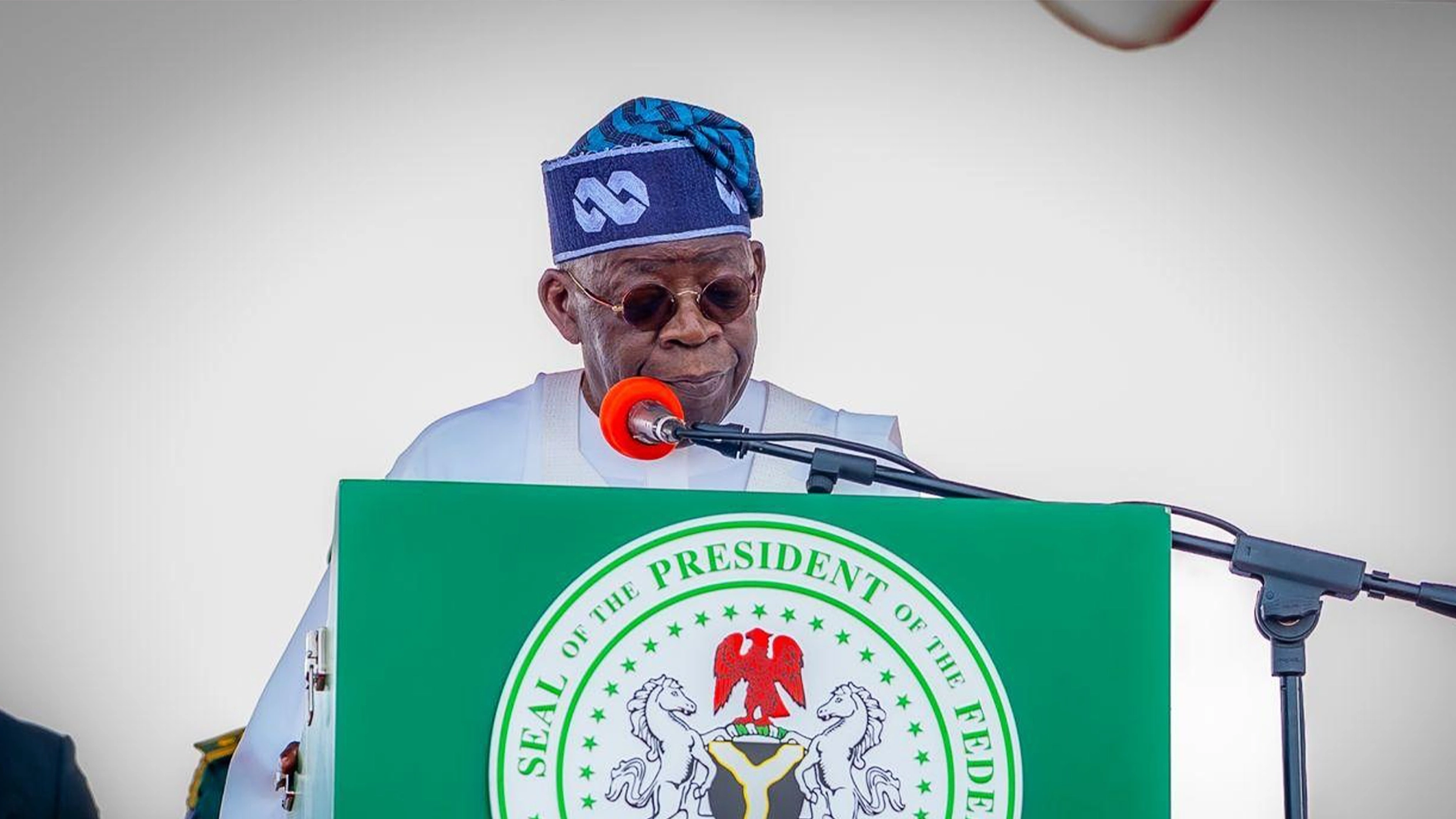
By Moruff Adenekan
As Nigeria moves steadily towards the 2027 general elections, political conversations are becoming increasingly dominated by a familiar sentiment: dissatisfaction.
The economy remains under pressure. The cost of living continues to strain households. Businesses grapple with rising operating costs. Many communities still face security challenges. Infrastructure deficits persist despite increased efforts of the Government.
Citizens continue to demand improvements in education, healthcare, electricity supply, and governance.
Against this backdrop, it is unsurprising that discussions about political change are gathering momentum. But there is a question Nigerians must ask themselves before emotions overtake reason: One important question that keeps coming to my mind is “what exactly are we being asked to vote for in 2027?’
Democracy is not merely about removing governments. It is also about carefully evaluating those who seek to replace them.
The lesson from Nigeria’s 2015 elections remains relevant. Public frustration with the administration of President Goodluck Jonathan fuelled a powerful political movement that was often summarised as “Anything But Jonathan.” The outcome produced a change in government, but many Nigerians would later admit that they spent far less time scrutinising the alternatives than they spent expressing dissatisfaction with the incumbent.
That experience offers an important lesson for 2027. The election should not be reduced to a referendum on whether Nigerians like or dislike President Bola Ahmed Tinubu. Rather, it should be an opportunity to rigorously examine competing visions for the country.
To be fair, the Tinubu administration can point to significant policy actions starting in 2023. The removal of fuel subsidy, exchange-rate reforms, tax reforms, increased federal revenues, student loan programmes, infrastructure investments, and efforts to stabilise public finances are frequently cited by supporters as evidence of difficult but necessary reforms. Government officials argue that these measures are laying the foundation for long-term economic recovery and investor confidence.
Critics, however, point to the severe hardship that accompanied these reforms. Rising living costs, inflationary pressures, reduced purchasing power, and the widening gap between policy intentions and citizens’ lived realities continue to dominate public discourse. For many Nigerians, macroeconomic indicators matter less than the daily struggle to put food on the table.
The incumbent’s record will therefore be subjected to intense scrutiny. Yet the opposition must also be subjected to the same standard.
Across various political platforms and emerging coalitions, opposition figures have argued that Nigeria requires a different direction. Discussions around coalition-building, governance reforms, economic recovery, security improvements, and institutional strengthening have already begun to shape the pre-election conversation.
However, criticism alone is not a programme of government. Nigerians deserve detailed answers. How will opposition candidates tackle inflation differently? What is their strategy for strengthening the naira?
How do they intend to create jobs at scale? What specific reforms will they implement in the power sector? How will they address insecurity beyond campaign slogans? What are their positions on restructuring, state policing, fiscal federalism, local government autonomy, and constitutional reform?
How do they intend to improve public education and healthcare?
Most importantly, what evidence exists that their proposed solutions will succeed where previous efforts have struggled?
These questions should define the election conversation.
The economy remains the foremost concern. Voters want growth, but they also want growth that translates into improved living standards. Infrastructure remains critical because roads, railways, ports, housing, and digital connectivity are essential to economic competitiveness. Education remains the foundation of future prosperity, while healthcare continues to determine the quality of life for millions of citizens.
Energy and electricity remain indispensable to industrial development. Security remains fundamental to every aspect of national progress. These are the issues that should dominate campaign platforms.
As the election season approaches, Nigerians must also be wary of distractions. Opinion polls, social media trends, political propaganda, and increasingly sophisticated artificial intelligence tools will all compete for public attention. The danger is that perception may begin to overshadow substance.
Voters should resist attempts to reduce the election to personalities, ethnic calculations, religious sentiments, or social media popularity contests.
The real question is not whether Nigerians desire change. The real question is whether those asking for power have convincingly explained what they will do differently and how they intend to deliver better outcomes.
The 2027 election should not be about “Anything But Tinubu.” Neither should it be about unconditional support for continuity, rather it should be about competing solutions to Nigeria’s most pressing problems. Anything less would risk repeating a cycle in which elections are won on emotion but governments are judged on performance.
Moruff, a strategic marketing communications expert wrote from Lagos.

