 Follow Us on Google News


 Follow Us on Google Discover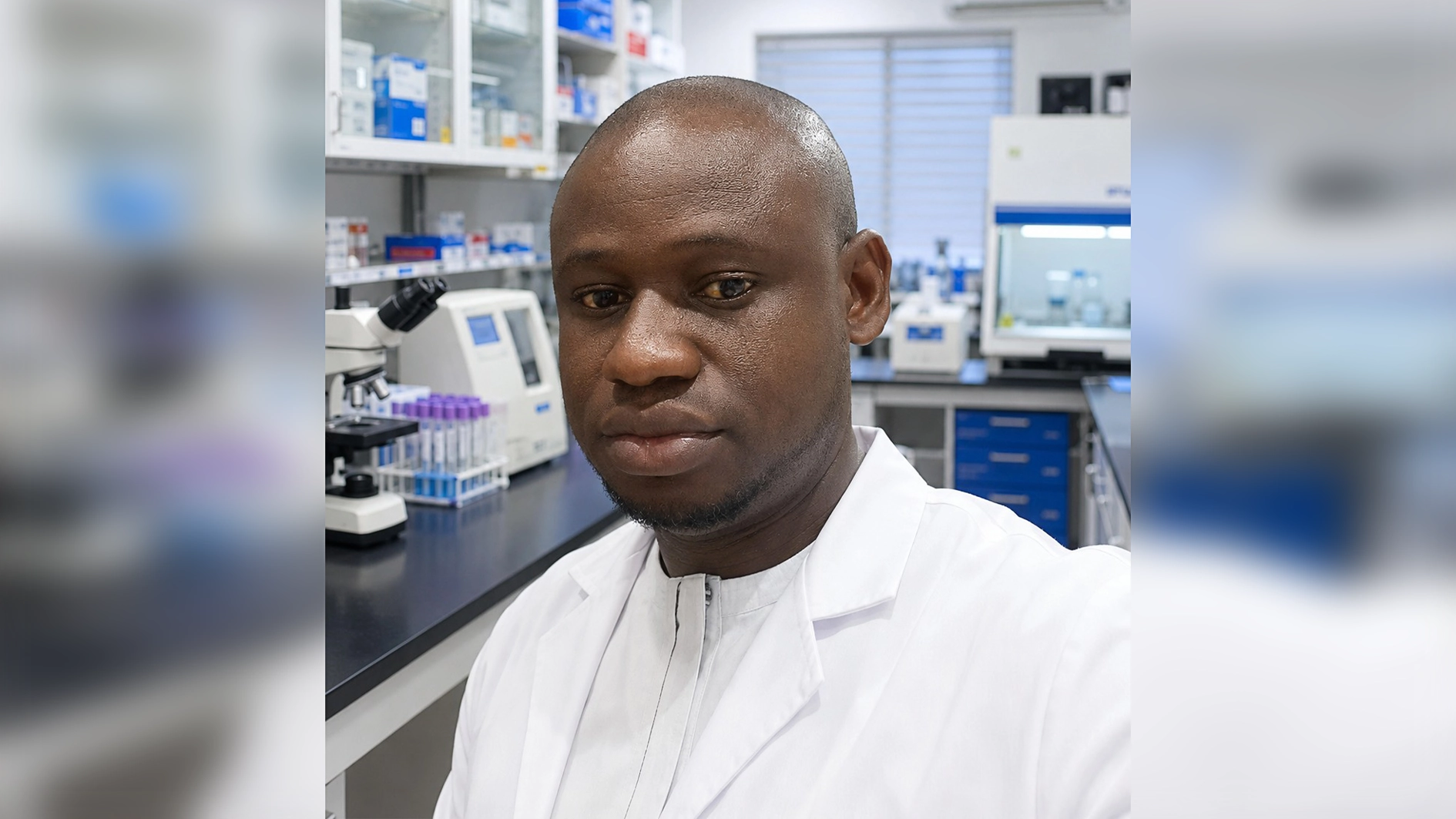
Accurate diagnosis remains one of the most critical components of modern healthcare. In Nigeria, where infectious diseases such as HIV, malaria, tuberculosis, and viral hepatitis continue to pose significant public health challenges, strengthening diagnostic services is essential for improving patient outcomes and supporting effective disease-control efforts.
Mr. Lukman Ademola Adepoju, a Senior Medical Laboratory Scientist with the Ondo State Hospitals’ Management Board, is recognized for his contributions to diagnostic laboratory services, infectious-disease testing, quality assurance, and laboratory systems strengthening. Through his work, he helps ensure accurate disease diagnosis, supports clinicians with reliable laboratory data, and contributes to improving the quality of healthcare delivery across public health facilities in Ondo State.
In this interview, Mr. Adepoju discusses his professional responsibilities, the challenges facing diagnostic healthcare services, and practical solutions for strengthening laboratory medicine in Nigeria.
Mr. Adepoju, what are your primary responsibilities as a Senior Medical Laboratory Scientist with the Ondo State Hospitals’ Management Board?
My responsibilities include performing and supervising diagnostic laboratory testing, ensuring compliance with quality-control procedures, validating laboratory results, and supporting clinicians with accurate diagnostic information for patient management.
I am also involved in maintaining laboratory quality standards, monitoring testing processes, and helping ensure that patients receive reliable diagnostic services for both infectious and non-infectious diseases.

What major healthcare challenges do you observe within diagnostic healthcare services in Ondo State?
One of the major challenges is the burden of infectious diseases, particularly malaria, HIV, tuberculosis, and other communicable diseases that require timely diagnosis and treatment.
Another challenge is the need for stronger laboratory quality systems to ensure consistency, accuracy, and reliability across testing procedures. Clinicians depend heavily on laboratory findings to guide treatment decisions, which makes diagnostic accuracy extremely important.
How do you help address these challenges through your work?
I focus on improving the accuracy and reliability of laboratory testing through strict adherence to quality-assurance protocols, proper specimen handling, equipment calibration, and result-verification procedures.
By ensuring high-quality diagnostic services, I help provide clinicians with dependable information needed for patient care, treatment monitoring, and disease management.
HIV remains a major public health concern in Nigeria. What role does your laboratory work play in supporting HIV management?
Laboratory services are critical to HIV diagnosis and monitoring. Through diagnostic testing and laboratory support activities, I contribute to efforts aimed at ensuring accurate HIV detection and effective patient monitoring.
Reliable laboratory results enable healthcare providers to initiate treatment promptly, evaluate treatment effectiveness, and make informed clinical decisions that improve patient outcomes.
Laboratory quality assurance is often overlooked by the public. Why is it such an important part of your work?
Quality assurance is one of the most important responsibilities of a laboratory scientist because patient care depends on the accuracy of test results.
I consistently implement quality-control procedures, monitor testing performance, and ensure compliance with laboratory standards. These measures help reduce the risk of diagnostic errors and improve confidence in laboratory findings used for patient treatment.
How does your work contribute to disease surveillance and public health decision-making?
Laboratory data provide valuable information about disease trends within communities. Through diagnostic testing and reporting activities, laboratory professionals generate information that supports disease surveillance and public health monitoring.
Accurate laboratory findings help healthcare authorities understand disease patterns, evaluate intervention programs, and respond more effectively to emerging public health concerns.
What impact do you believe your work has on healthcare delivery in Ondo State?
I believe my work contributes to strengthening diagnostic services and improving the reliability of laboratory results available to clinicians and healthcare facilities.
Accurate diagnosis is fundamental to effective healthcare. By supporting high-quality laboratory services, I help improve clinical decision-making, patient management, and the overall effectiveness of healthcare delivery.
Looking ahead, what is your vision for laboratory medicine in Nigeria?
I believe Nigeria must continue investing in laboratory infrastructure, workforce development, quality-management systems, and advanced diagnostic technologies.
Strong laboratory systems are essential for disease control, epidemic preparedness, and improved healthcare outcomes. My goal is to continue contributing to efforts that strengthen diagnostic capacity, improve healthcare delivery, and support public health systems across Nigeria.

