 Follow Us on Google News


 Follow Us on Google Discover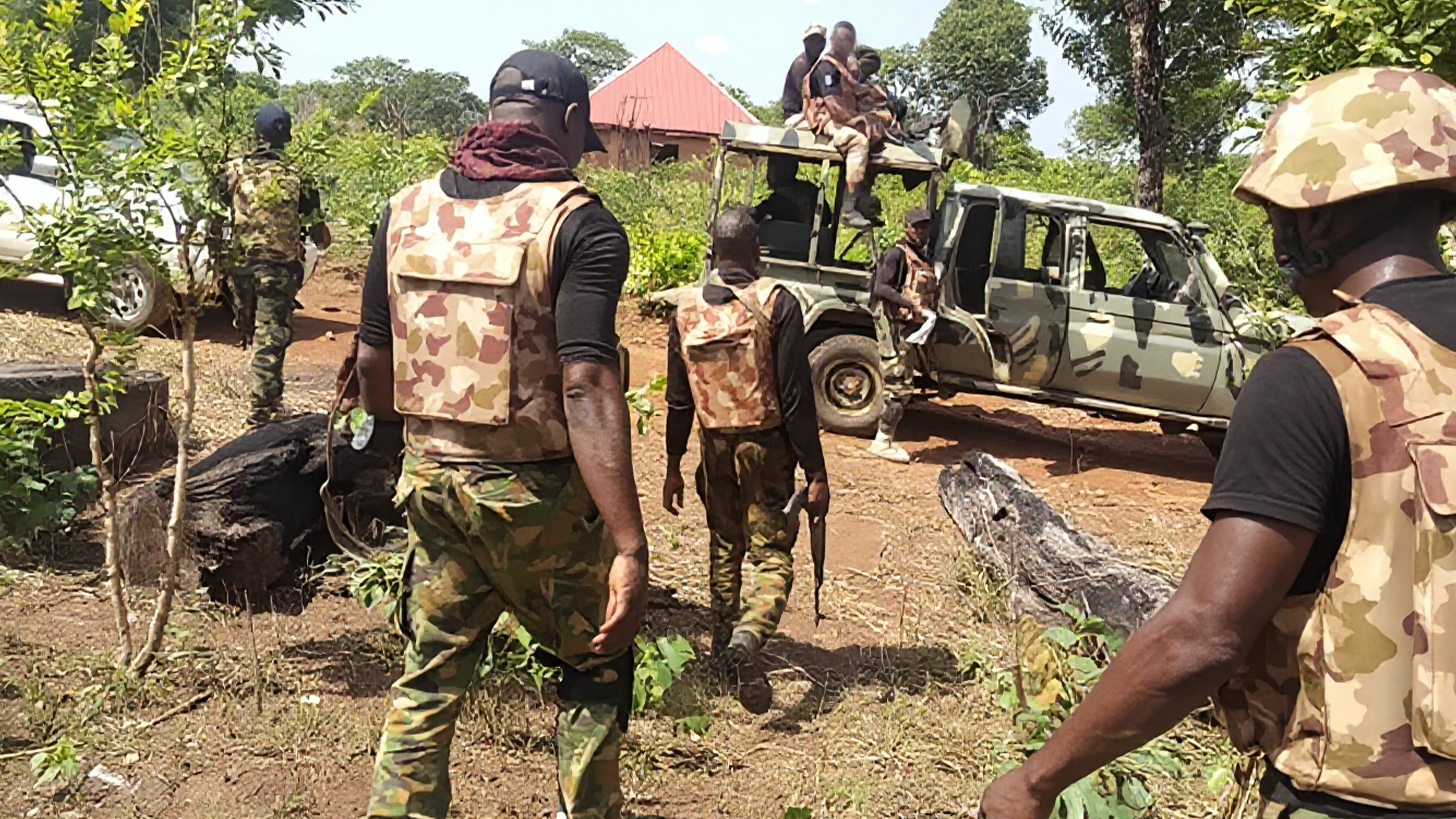
By Eugene Nweke
Sir: Mr President, the foremost responsibility of government remains the protection of lives and property. Today, many Nigerians continue to live under the shadow of insecurity.
From terrorism and insurgency to banditry, kidnapping, armed robbery, piracy, and communal conflicts, countless families have suffered losses that cannot be quantified in statistics alone.
Every life lost represents a Nigerian dream interrupted. Every abduction represents a family traumatised. Every community displaced represents a setback to national progress.
While government has continued to commit substantial resources to security operations, many citizens still yearn for a more decisive and comprehensive approach capable of restoring confidence across the nation.
Permit me therefore to respectfully suggest that the fight against insecurity should extend beyond military engagements and weapons procurement. It should include enhanced intelligence gathering, technological surveillance, improved border management, stronger inter-agency collaboration, judicial reforms, community-based security partnerships, and, importantly, an aggressive national programme aimed at identifying, tracking, and recovering illegal arms circulating within our society.

The proliferation of small arms and light weapons remains one of the greatest threats to peace and stability in Nigeria. No nation can sustainably secure its future while dangerous weapons remain readily available to criminal elements.
As political activities gradually intensify ahead of 2027, I humbly submit that national security should remain the primary focus of governance. Citizens desire a secure environment more than political rhetoric. The true foundation of electoral credibility is public safety, social stability, and confidence in state institutions.
Mr President, beyond security lies another pressing challenge—the economy and the welfare of the Nigerian people.
The reality of hardship confronting many households today cannot be ignored. Rising living costs, unemployment, food insecurity, declining purchasing power, and economic uncertainty have placed enormous burdens on ordinary citizens.
The renowned economist, Kenneth Boulding, once observed that governments often develop policies for defence but rarely develop comprehensive policies for peace. His observation remains relevant today.
A genuine policy for peace must include economic inclusion, food security, affordable healthcare, quality education, youth empowerment, infrastructure development, energy stability, industrial growth, and sustainable job creation.
The relationship between economic hardship and social instability is well established. A hungry population becomes vulnerable to frustration, criminal exploitation, and social unrest. Consequently, economic reforms, however necessary, should be complemented by targeted interventions that protect vulnerable Nigerians while stimulating productivity, investment, and employment.
I respectfully urge your administration to continually assess the social impact of ongoing reforms and strengthen mechanisms that cushion the most vulnerable segments of society.
Mr President, leadership is often tested not during moments of comfort but during periods of national difficulty. At such times, citizens look beyond policy announcements; they seek empathy, reassurance, transparency, and measurable outcomes.
The approach to 2027 should not become a distraction from governance. Rather, governance itself should become the strongest campaign. Nigerians desire evidence of improved security, economic recovery, institutional efficiency, educational advancement, infrastructure growth, and social justice.
The nation equally expects all political actors to place Nigeria above personal ambitions, partisan interests, ethnic sentiments, and sectional considerations.
Our democracy must remain anchored on service, accountability, and national unity. There is also reason for optimism.
Despite present challenges, Nigeria remains blessed with immense human capital, entrepreneurial ingenuity, strategic geographic advantages, abundant natural resources, and a resilient population. Across the country, millions of hardworking citizens continue to innovate, create businesses, educate future generations, and contribute meaningfully to national development.
Furthermore, the world is undergoing an unprecedented knowledge revolution driven by science, technology, innovation, artificial intelligence, and digital transformation.
Nigeria must deliberately position itself to compete and thrive within this rapidly evolving global landscape through sustained investments in education, research, technology, and human capital development.
As our nation approaches another milestone in its democratic journey, history will judge our generation not merely by the challenges we inherited but by the solutions we courageously pursued.
Mr President, democracies possess an extraordinary capacity for self-correction when leaders embrace truth, strengthen institutions, encourage constructive criticism, and remain accountable to the people.
The path forward for Nigeria requires security with justice, economic growth with inclusion, politics with responsibility, and leadership with compassion.
I remain hopeful that under committed leadership, collective sacrifice, and national unity, Nigeria can overcome her present difficulties and emerge stronger, safer, more prosperous, and more respected among the community of nations.
May wisdom guide our leaders, may patriotism inspire our citizens, and may God continue to bless the Federal Republic of Nigeria.
Eugene Nweke is the head of Research, Sea Empowerment and Research Centre (SEREC).

