 Follow Us on Google News
 Follow Us on Google Discover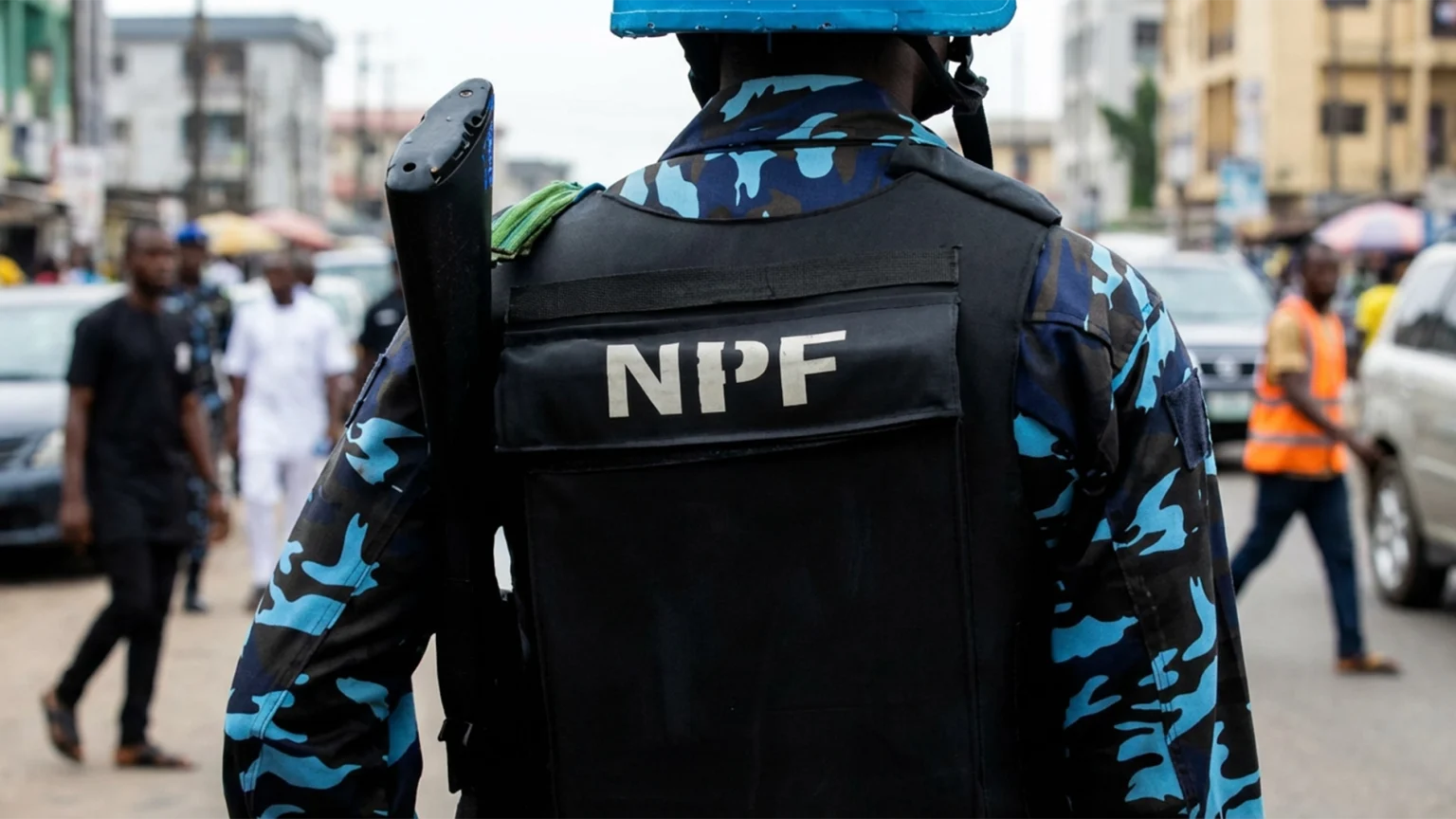
By Magnus Onyibe
As the House of Representatives on June 11 passed the constitutional amendment required to accommodate a state/local policing system in Nigeria, and the Senate has also passed the bill through a second reading, awaiting final reading and conclusion of the amendment process at the national level before two-thirds of the 36 State Houses of Assembly (24 states) follow suit, the momentum behind the reform continues to gather pace.
The attention that this constitutional amendment is receiving reflects the urgency and seriousness with which both the executive and legislative branches of government are addressing the need to end, or at least drastically reduce, the menace of insecurity currently ravaging our country. There is a growing recognition that insecurity could become even more widespread if the idea of state and local policing is not reintroduced urgently.
The proposed restructuring of Nigeria’s security architecture is necessary to fill the gap created by the overreliance on a kinetic approach to crime-fighting through the use of military force, guns, and bullets alone. This contrasts with the more effective and sustainable approach that combines security operations with non-kinetic strategies, including intelligence gathering through local policing structures and collaboration with traditional rulers who are deeply rooted in grassroots communities. Such leaders are better positioned to mediate disputes before they escalate into full-blown crises, as evidenced by the current deterioration in security that has compelled the urgent push for state policing.
Although the proposed return to state and local policing would be a game-changer in restoring peace and harmony across Nigeria, it is not a silver bullet that will magically eliminate the reign of terror currently stalking our beloved nation.
Rather, a second and equally important piece of the puzzle is the reinstatement of traditional institutions, which played a critical role in governance during the pre-independence era and in the early years following independence from 1960 to 1966. That was before the military intervened, abruptly ending Nigeria’s barely six-year-old democratic experiment and taking over the administration of the country at a time when democratic governance was still at a nascent stage.
Apart from being custodians of our cultural heritage and embodiments of our traditions, our monarchs possess invaluable advantages in intelligence gathering and conflict resolution.
Leaving this critical institution out of efforts to correct the mistakes made by the military in January 1966—when, through the instrumentality of Decree No. 34, also known as the Unification Decree, the administration of Nigeria became centralised—would be a grave oversight. The leaders of the counter-coup in 1966 retained the centralised structure, which subsequently became entrenched in the Constitution of the Federal Republic of Nigeria. As such, failing to restore a meaningful governance role for traditional rulers could render the return of state and local policing less effective than it ought to be.
Below is how I made the case in my book The Imperative of State Police in Nigeria in my effort to draw the attention of lawmakers to the role of traditional rulers—a subject that is currently not receiving the level of attention it deserves. The book, published before the constitutional amendment was passed by the House of Representatives, is my humble contribution to the renewed effort by the current administration to place the fight against insecurity, which remains the most pressing concern of Nigerians, at the forefront of national discourse.
Here is the excerpt:
The role of traditional rulers in ending insecurity in Nigeria and complementing state/local policing
One governance institution that played a critical role in maintaining peace and security at the grassroots level during the colonial and early post-independence eras was the traditional institution. Emirs, Obas, Igwes, chiefs, and district heads remain the closest authorities to many rural communities and are enduring legacies of the British system of indirect rule.
Although traditional rulers are primarily custodians of culture and tradition, they historically served as important facilitators of grassroots security. However, their formal role in governance was gradually diminished following the 1966 coup and the promulgation of the Unification Decree No. 34 by General Aguiyi-Ironsi, which centralized governance and weakened both local policing and traditional authority structures.
Before their removal from the governance framework, traditional rulers performed several key security functions:
Early warning and intelligence gathering
Traditional rulers possess intimate knowledge of their communities. They are often the first to receive information about suspicious movements, criminal activities, recruitment by insurgent groups, and the presence of strangers. In states such as Zamfara, Borno, Benue, and Plateau, district heads have historically provided valuable intelligence on bandit and insurgent activities long before security agencies became aware of them. In this regard, they functioned much like county sheriffs in the United States, leveraging deep local knowledge and trusted community networks.
Community Mediation and Conflict Prevention
Traditional rulers have long served as mediators in local disputes. Farmer-herder clashes, land disputes, and chieftaincy conflicts are often resolved through dialogue, customary practices, and traditional dispute-resolution mechanisms before they escalate into violence. In some states, monarchs continue to facilitate peace committees involving farmers and herders.
Mobilising community security structures
Where formal policing is inadequate, traditional rulers often work with vigilante groups, hunters, Amotekun operatives, Yan Sakai, and other community-based security networks. They help vet members, establish rules of engagement, and serve as a bridge between local security groups and formal agencies such as the police and the Nigeria Security and Civil Defence Corps (NSCDC). Their involvement helps promote legitimacy, coordination, and accountability within these structures.
Supporting deradicalisation and reintegration
The trust traditional rulers enjoy within their communities can be invaluable in encouraging repentant insurgents to surrender and reintegrate into society. In the North-East, some emirs have supported initiatives such as Operation Safe Corridor, helping to facilitate dialogue, rehabilitation, and reintegration efforts that would otherwise be difficult for security agencies to undertake alone.
Shaping social values and public behaviour
Traditional rulers also wield significant moral influence. Through religious gatherings, town hall meetings, festivals, and palace engagements, they can mobilise communities against kidnapping, cultism, drug abuse, and other social vices. Their ability to shape public attitudes and behaviour remains one of their greatest strengths.
A notable example was the intervention of the Oba of Benin against human trafficking, which reportedly contributed to a reduction in the trafficking of young women from the region to Europe.
The need for constitutional recognition
Despite their influence, traditional rulers currently rely almost entirely on persuasion because the 1999 Constitution assigns them no formal security responsibilities. Most traditional institutions also lack the resources and security infrastructure needed to perform broader public safety functions.
Nevertheless, traditional rulers effectively served as Nigeria’s first responders to local security challenges before the 1966 coup. As the country debates the reintroduction of state and local policing, there is a compelling case for restoring a clearly defined constitutional role for traditional institutions in intelligence gathering, conflict resolution, community engagement, and security coordination.
While law enforcement agencies such as the Police and the Department of State Services (DSS) should continue to retain responsibility for armed security operations, traditional rulers can complement their efforts by leveraging trust, local knowledge, and community influence.
Indeed, one lesson from Nigeria’s prolonged insecurity crisis is that military-driven, predominantly kinetic approaches have not been sufficient. Increasingly, policymakers are recognising the importance of non-kinetic strategies that emphasize community engagement, intelligence gathering, dialogue, and conflict prevention—areas in which traditional rulers possess unique advantages.
It is also important to recognise that traditional institutions operate differently across Nigeria. In Northern Nigeria, the emirate system is hierarchical and centralised, with clear chains of authority extending from the Emir to district, village, and ward heads.
This structure gives traditional rulers in the North significant administrative influence and organisational capacity.
Ultimately, restoring an appropriate role for traditional rulers within Nigeria’s evolving security architecture could help bridge the gap between formal security institutions and local communities, thereby strengthening efforts to address the security challenges.
Onyibe, an entrepreneur, public policy analyst, author, wrote from Lagos.

