 Follow Us on Google News
 Follow Us on Google Discover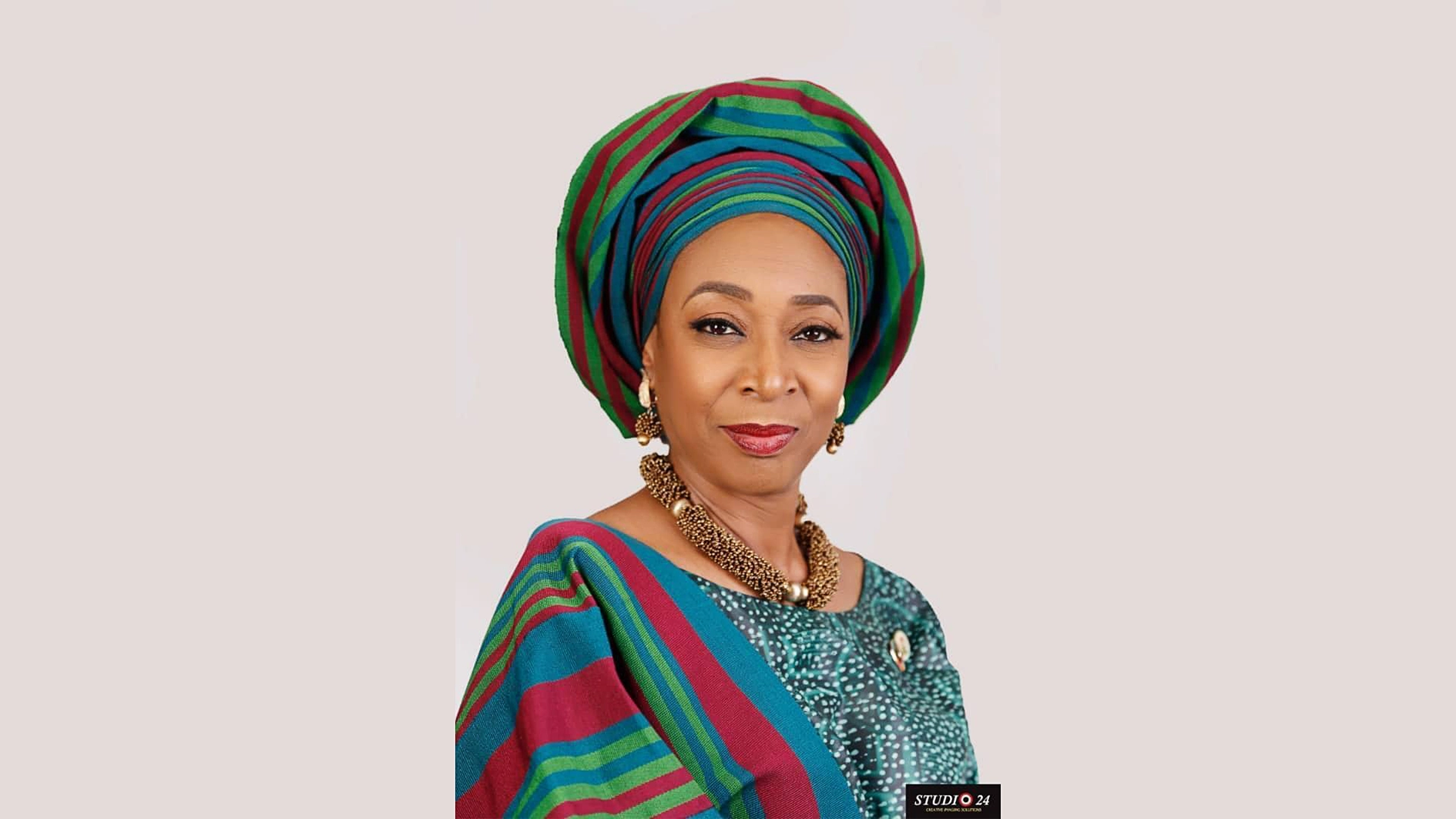
Director-General and Chief Executive Officer of the Maryam Babangida National Centre for Women Development (MBNCWD), Dr. Adedayo Benjamins-Laniyi, has said that over 27,345 residents of the Federal Capital Territory (FCT) have benefited from various empowerment, food security, social inclusion and welfare programmes implemented under the Renewed Hope Initiative (RHI) between 2023 and 2026.
Benjamins-Laniyi disclosed this at the celebration of three years of impact of the initiative themed “Our Stories, Her Impact” at the Presidential Banquet Hall, State House, Abuja.
She explained that the interventions had reached beneficiaries across the six Area Councils of the FCT through more than 15 major programmes built around five strategic pillars of economic empowerment, food security, disability inclusion, protection and social development, and elderly care.
According to figures presented at the event, the initiative reached over 27,345 beneficiaries within the three-year period, including 4,866 beneficiaries under food security and agriculture programmes, 4,427 under economic empowerment schemes, 4,423 under protection and systems strengthening interventions, 3,307 women and girls, 970 persons with disabilities and 550 elderly citizens.
Benjamins-Laniyi said the initiative was conceived to ensure that vulnerable populations were not excluded from development opportunities and that governance remained connected to the realities of ordinary citizens.
“We gather today to measure what three years have produced. We gather to celebrate lives transformed, families strengthened, communities empowered and hope restored,” she said.

The DG noted that the impact of the initiative could not be measured solely by statistics.
“A report may tell us how many beneficiaries were reached, but it does not tell us the story of the widow who regained confidence after receiving support. It does not tell us the story of the young girl who remained in school because she had access to dignity products. It does not tell us the story of the woman who moved from dependency to productivity because someone believed in her potential,” she said.
She explained that beneficiaries had received support through various programmes including the N50,000 petty traders’ grants, women empowerment start-up kits, ICT and digital skills training, agricultural support initiatives, disability inclusion programmes, elderly welfare schemes and protection services.
According to her, the interventions demonstrate that development is most effective when it directly improves the lives of citizens at the grassroots.
“When you empower a woman, you strengthen a family. When you strengthen a family, you stabilise a community. When you stabilise a community, you strengthen a nation,” she added.
The event also featured testimonials from beneficiaries who recounted how the initiative had transformed their lives and livelihoods.
A woman living with disability, who spoke on behalf of beneficiaries with disabilities, commended the initiative for addressing long-standing barriers faced by deaf women in accessing healthcare services.
She revealed that one of the programme’s significant impacts was the introduction of sign language interpretation support in healthcare facilities, helping bridge communication gaps between deaf patients and healthcare providers.
“Before now, deaf women would go to hospitals and doctors treated them based on assumptions because there was no effective communication. Many returned home worse than they arrived because they could not explain their health conditions and doctors could not understand them,” she said.
According to her, the initiative supported about 250 women with disabilities who previously struggled to access sexual and reproductive healthcare services.
She said the intervention had empowered women with disabilities to advocate for their rights, access healthcare services and participate more actively in economic activities.
“Today, women with disabilities are making impact. Our products are in the market. Many women who received support have started small businesses, paid school fees for their children and met their healthcare needs. We now have a voice,” she said.
The beneficiary further appealed for more sign language interpreters in hospitals and health centres across the country to ensure that deaf women receive quality healthcare without discrimination.
Another beneficiary and women leader from the FCT, Hajia Farida Sulaiman described the initiative as one that had rekindled hope among women in rural communities across the territory.
Representing women beneficiaries from several indigenous communities, she said women in Kwali, Gwagwalada, Rubochi, Kuje and other communities had benefited from economic empowerment programmes under the initiative.
“We have never seen it like we have seen it today. Women across our communities have benefited. We have received vehicles, tricycles, sewing machines and financial support. Just recently, over 1,000 men, women and youths were empowered in Karmajiji. People saw and felt the impact directly,” she said.
Suleiman said the intervention had increased economic opportunities for women and strengthened their participation in community development.
Similarly, goodwill messages delivered by stakeholders highlighted the programme’s contributions to social inclusion, economic empowerment and community development.
The wife of the Ona of Abaji and representative of traditional rulers’ wives in the FCT, Hajia Hauwa Ibrahim Atah, said the initiative had strengthened collaboration between government institutions and traditional authorities in delivering development programmes to grassroots communities.
According to her, women in various chiefdoms have benefited from skills acquisition programmes, agricultural support, small business grants and gender-based violence prevention campaigns.
“Three years ago, the Renewed Hope Initiative promised to leave no woman and no child behind. Today, we can testify that the promise is becoming reality in our communities,” she said.
Also speaking, the Minister of Women Affairs, Imaan Sulaiman-Ibrahim, commended the First Lady for championing interventions that have improved the lives of women, youths and vulnerable groups across the country.
She said the initiative had gone beyond providing grants by creating pathways for women to become entrepreneurs and achieve sustainable economic independence.
“We are not just giving women grants. We are creating opportunities for them to write their own success stories. Women are becoming entrepreneurs and contributors to economic growth,” she said.
The Minister of State for the FCT, Dr. Mariya Mahmoud, described the initiative as a model of inclusive development that has positively impacted thousands of lives through targeted interventions in healthcare, agriculture, education, social welfare and economic empowerment.
She noted that the programme had improved opportunities for women, youths, persons with disabilities and elderly citizens across the territory.
Benjamins-Laniyi attributed the success of the initiative to strong partnerships involving traditional rulers, community leaders, development partners, civil society organisations and grassroots volunteers.
She particularly praised the Queen Mothers of the 17 tribal chiefdoms in the FCT and the wives of Area Council Chairmen for helping to ensure that interventions reached intended beneficiaries in remote communities.
“These women made the last mile possible. They opened doors, mobilised communities and ensured that no one was left behind,” she said.
The DG also acknowledged the support of UN Women Nigeria and other development partners whose collaboration strengthened the quality and reach of the interventions.
She described the three-year milestone as evidence that compassionate leadership and strategic partnerships can deliver measurable development outcomes.
“The greatest development indicator is not a report. It is a life transformed. The greatest legacy is not a programme. It is a people empowered,” she said.
The Renewed Hope Initiative was launched in 2023 to complement government efforts in promoting women’s empowerment, economic inclusion, education, healthcare, food security and social welfare. In the FCT, the initiative has implemented more than 15 programmes across six Area Councils, reaching over 27,345 beneficiaries through interventions focused on empowerment, inclusion and sustainable development

