 Follow Us on Google News
 Follow Us on Google Discover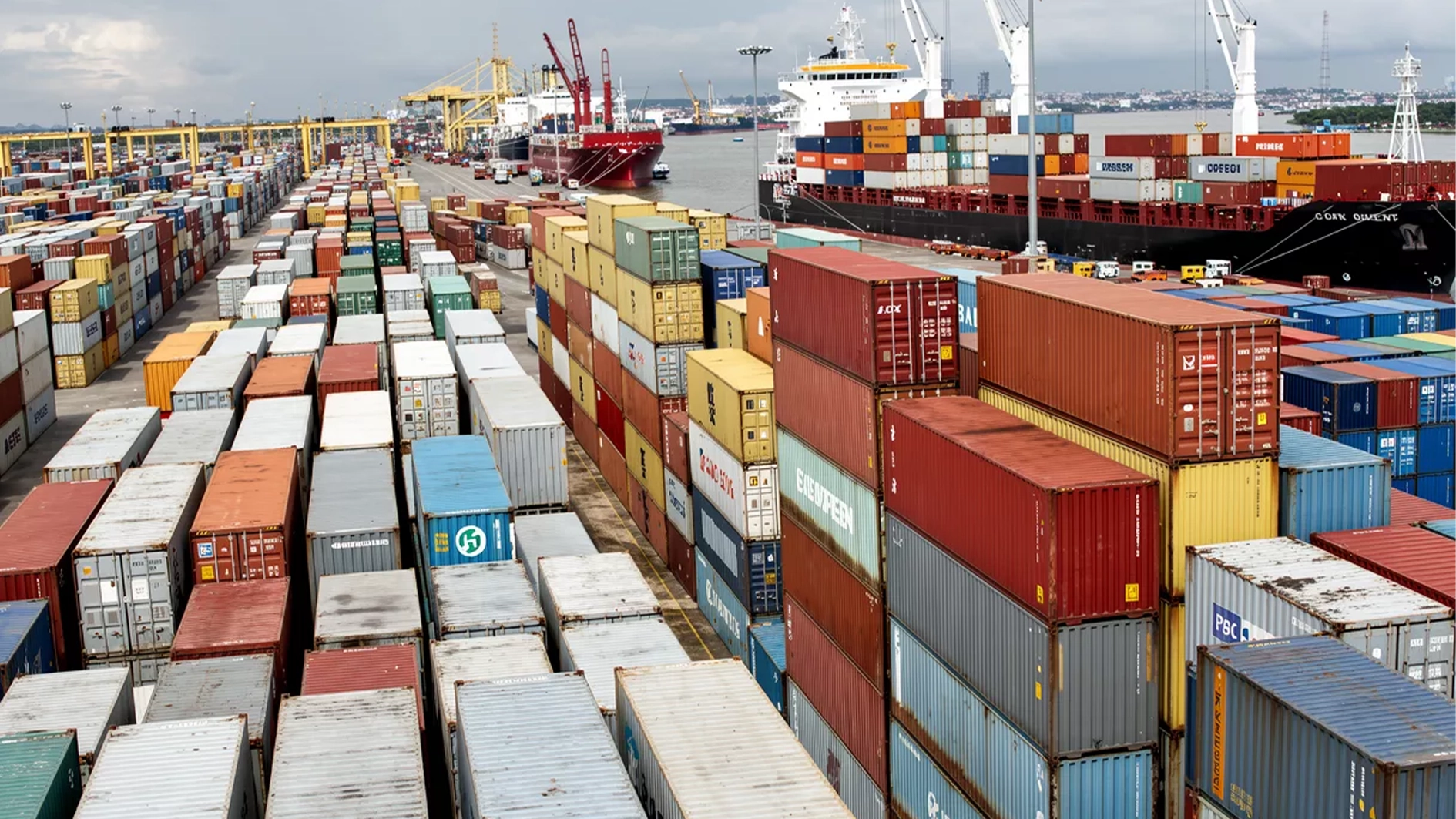
Seafarers bear the burden of moving over 80 per cent of trade by sea. Yet, they remain vulnerable, unprotected and under-supported, challenges that require renewed focus from the global maritime community, ADAKU ONYENUCHEYA reports.
As the world marks the 2026 Day of the Seafarer, global attention has once again turned to the 1.9 million maritime workers who transport over 80 per cent of world trade by volume every day by sea, often at an immense personal cost.
The day of the seafarers is commemorated yearly on June 25, with this year’s theme, ‘Carrying the World’s Trade, Carrying the Risks’.
Seafarers are the invisible yet key workforce responsible for transporting the food on supermarket shelves, the fuel powering industries, vehicles and homes, the pharmaceuticals saving lives, the manufactured goods driving economies, the vehicles for transportation, clothes, shoes, transformers for electricity and countless other essential products that sustain economies and everyday life.
The Secretary-General of the International Maritime Organisation (IMO), Arsenio Dominguez, in his tribute to millions of seafarers worldwide, affirmed that the people working at sea are the force sustaining international trade and remain central to the global economy, ensuring the continuous flow of essential goods, including food, fuel, medicines and everyday commodities across supply chains.
These seafarers spend months away from their families, navigating some of the world’s most dangerous waters, such as the Red Sea, Black Sea, Strait of Hormuz and other challenging regions, while ensuring that cargo reaches its destination safely and on time.

Despite their indispensable role to the global economy, seafarers’ contributions remain largely unseen as they continue to face neglect, unfair treatment and mounting risks that extend far beyond storms and rough seas.
How Middle East crisis compounds seafarers’ woes
Challenges confronting seafarers have become increasingly complex, ranging from insecurity threats, piracy attacks, geopolitical conflicts, cyber risks, extreme weather events linked to climate change, mental health pressures, fatigue, labour shortages, and unpaid salaries, all of which have added new dimensions to the hazards of life at sea.
In regions such as the Gulf of Guinea, Singapore Straits, Gulf of Aden and Somalia, piracy and armed robbery attacks were once the greatest threats to maritime operations, especially shipping.
Although coordinated efforts by governments, international organisations and industry stakeholders have significantly reduced incidents in recent years, especially in the Gulf of Guinea, security concerns remain an important consideration for vessels operating in strategic shipping routes globally.
Seafarers have also found themselves caught in the middle of geopolitical conflicts, with much of the world’s attention focused on the impact on global commerce rather than on the welfare and safety of the people who ensure that trade continues uninterrupted.
The Middle East crisis involving Iran, the United States and Israel has left over 20,000 seafarers aboard cargo vessels stranded in deteriorating security conditions, with some reportedly killed and injured during missile strikes on opposing vessels, with little regard for human life.
The IMO, World Shipping Council (WSC), International Transport Workers’ Federation (ITF) and the Joint Negotiating Group (JNG) frowned on the situation and urged the international community to protect seafarers.
Despite this call, shipowners and the governments of countries that own the seafarers have failed to protect or rescue them, leaving many trapped in the conflict without adequate food, water, communication or medical supplies.
The IMO scribe expressed concern that many seafarers are increasingly exposed to geopolitical tensions and maritime insecurity, particularly in volatile shipping corridors such as the Red Sea, the Black Sea and the Strait of Hormuz.
According to him, crews often endure prolonged periods at sea, uncertainty over return voyages, limited communication with families and heightened operational stress while navigating dangerous waters.
“Whether in the Red Sea, the Black Sea, the Strait of Hormuz or other challenging regions, we must remember that every ship carries more than cargo. It carries people. Seafarers should never become unintended victims of wider geopolitical conflict,” Dominguez warned.
Also, many of the underlying welfare concerns have remained unresolved, such as access to quality medical care, fair employment conditions, adequate rest periods, protection and reliable internet connectivity, which have continued to be major issues for crews serving on international voyages.
The Maritime Labour Convention (MLC), an instrument adopted 20 years ago to protect seafarers, has failed to achieve its goal.
The IMO, the International Labour Organisation (ILO) and the ITF had adopted the MLC on February 23, 2006 and amended it after 2013 to allow the coverage of vital issues for seafarers, such as abandonment, violence, harassment, protecting victims of piracy and the 2025 classification of seafarers as key workers, among others.
The instrument also sets clear and enforceable minimum standards covering conditions of employment, wages, hours of work and rest, accommodation, health protection, medical care, welfare and social security.
However, 20 years after its adoption, seafarers continue to face unlawful attacks on ships, abandonment, criminalisation, fatigue, unpaid wages and denial of shore leave.
Burdened by the criminalisation of seafarers, the ILO and IMO Tripartite Working Group released guidelines on fair treatment of seafarers detained in connection with alleged crimes in 2025.
The guidelines are intended to ensure that seafarers detained on suspicion of committing a crime are treated fairly throughout any investigation and detention process conducted by public authorities and that such detention is not prolonged beyond what is necessary.
However, most countries have failed to effectively implement these guidelines, resulting in the wrongful detention and conviction of seafarers.
A Federal High Court in Lagos had on June 11, 2026, convicted 11 Indian sailors who were arrested on January 2, over the discovery of 31.5 kilogrammes of cocaine transported from the Marshall Islands through the Apapa seaport after six months of imprisonment.
The court directed the vessel’s three principal officers to pay restitution of $100,000 each to the Federal Government, while the remaining crew members were ordered to pay restitution of $50,000 each.
Secretary-General of the Merchant Seafarers Association of Nigeria and the USA, Prof. Alfred Oniye, lamented that seafarers are increasingly being detained when narcotics are discovered on commercial vessels, often without any evidence linking them to the crime.
He said these detentions are frequently based on assumptions rather than proof, violating the fundamental principle of innocent until proven guilty.
According to him, in many cases, crew members do not know about the drugs, which are smuggled aboard by organised criminal networks using sophisticated concealment methods.
Oniye stated that the consequences are devastating as seafarers can spend months or even years in foreign prisons, cut off from their families, legal support and livelihoods.
He further stressed that the emotional and psychological toll is immense, noting that even after release, many face stigma and difficulty finding new employment.
How to improve seafarers’ lot
The Seafarers Happiness Index (SHI) reflected the situation in its 2025 report, which revealed that seafarers continue to face mounting pressure, fear linked to geopolitical uncertainty, criminalisation, intense operational demands, rising workload, reduced shore leave, long working hours, limited rest periods and complex regulatory environments.
Also, the ITF survey highlighted the growing seafarer abandonment crisis, with 6,223 seafarers abandoned across 410 vessels and shipping companies owing an estimated $25.8 million in unpaid wages in 2025.
Nigerian seafarers are equally affected, as many continue to grapple with persistent discrimination, rejection, harassment, unemployment, poor welfare conditions and the absence of structured support systems onboard vessels.
Despite possessing one of Africa’s largest coastlines and a strategic location along major shipping routes, as well as controlling over 70 per cent of trade destined for Africa, Nigeria continues to grapple with shortages of sea-time training opportunities, unemployment among certified cadets and inadequate investment in maritime human capital development.
Nigeria has about 30 institutions approved by the Nigerian Maritime Administration and Safety Agency (NIMASA) to offer Maritime Education and Training (MET) in accordance with the provisions of the International Convention on the Standards of Training, Certification and Watchkeeping for Seafarers (STCW) 1978 as amended.
However, thousands of cadets from these institutions struggle to secure sea-time training opportunities due to a lack of vessels, while many graduates grapple with unemployment as Nigeria’s Certificate of Competency (CoC) is said to fall short of international standards, leading to the rejection of Nigerian cadets by foreign vessels.
The Minister of Marine and Blue Economy, Dr Adegboyega Oyetola, had disclosed that 2,459 cadets have been sponsored under the Nigerian Seafarers Development Programme (NSDP) for training in maritime institutions across the United Kingdom, Egypt, the Philippines, India, and Romania since the inception of the initiative.
Oyetola stated that of this number, 1,088 cadets have obtained their CoCs to enable them to sail on global vessels.
However, many of these NSDP beneficiaries remain unemployed, with some engaged in menial jobs such as Point of Sale (POS) operations, selling second-hand clothing, and other activities outside the maritime sector.
Also, the ongoing transition towards greener shipping is reshaping the profession, with modern vessels adopting alternative fuels and sophisticated digital navigation systems, as well as autonomous technologies to meet global decarbonisation targets, requiring seafarers to continuously upgrade their skills to safely operate these ships.
Stakeholders decry inadequate investment in maritime human capital development, stressing well-trained maritime workforce attracts shipping investment, strengthens national security, enhances port competitiveness and supports sustainable growth in the maritime sector and the economy.
According to industry data, Nigeria has over 4,000 trained and certified professional seafarers underutilised due to the inability to secure sea-time or trade placement opportunities, far behind smaller countries like Myanmar (60,000) and Vietnam (55,000), which are gainfully employed on international vessels.
The International Chamber of Shipping (ICS) stated that the global population of seafarers serving on the 50,000 internationally trading merchant ships is estimated at 1,892,720, of which 857,540 are officers and 1,035,180 are ratings, with the Philippines, Russia, Indonesia, China and India as the largest suppliers.
The IMO scribe said the maritime industry faces an urgent workforce shortage challenge as demands on maritime transport grow, particularly the larger hi-tech vessels that cost over $200 million to build and generate a yearly income of over half a trillion dollars in freight rates.
However, Nigeria is missing out on opportunities in the seafaring industry, with Filipino seafarers repatriating about $6.14 billion in yearly remittances to the Philippine economy, while India generates about $2 billion.
Director at Tantita Security Services, Enisuoh Warredi, however, frowned at this missed opportunity, identifying inadequate vessel availability and the poor global recognition of Nigerian maritime certificates as the two biggest obstacles preventing thousands of qualified seafarers from securing employment.
Warredi stated that employment opportunities within Nigeria are directly tied to the number of operational vessels flying the Nigerian flag, while international job prospects depend largely on globally recognised certifications and compliance with flag-state requirements.
He said improving the global recognition of Nigerian certificates would significantly increase opportunities for seafarers to work on foreign-going vessels and compete favourably in the shipping industry.
Warredi also noted that unless Nigeria expands its indigenous shipping fleet and strengthens the global acceptability of its maritime qualifications, many trained seafarers will continue to struggle for employment despite their competence.
Board Member of the Alumni of Maritime Academy of Nigeria, Oron (AMANO), Jonathan Peter, said many foreign shipping companies and even some local operators continue to place greater value on certificates obtained abroad, limiting employment opportunities for locally trained professionals.
Peter further identified bureaucratic delays in certification processes, politicisation of maritime institutions, limited fleet capacity, high interest rates, inadequate access to shipping finance, ageing vessels and regulatory bottlenecks as factors discouraging investment in indigenous shipping and worsening unemployment.
He urged the Federal Government to provide affordable financing for shipowners, simplify regulatory documentation, strengthen maritime institutions and deepen collaboration with international maritime organisations to improve the global acceptance of Nigerian certificates and stimulate fleet expansion.
The ICS also noted that the future outlook indicates that the industry and relevant stakeholders must make concerted efforts to address key manpower challenges through the promotion of careers at sea, enhancement of maritime education, investment in training and improved retention of seafarers, if there must be an adequate global supply of qualified and competent seafarers.

