 Follow Us on Google News


 Follow Us on Google Discover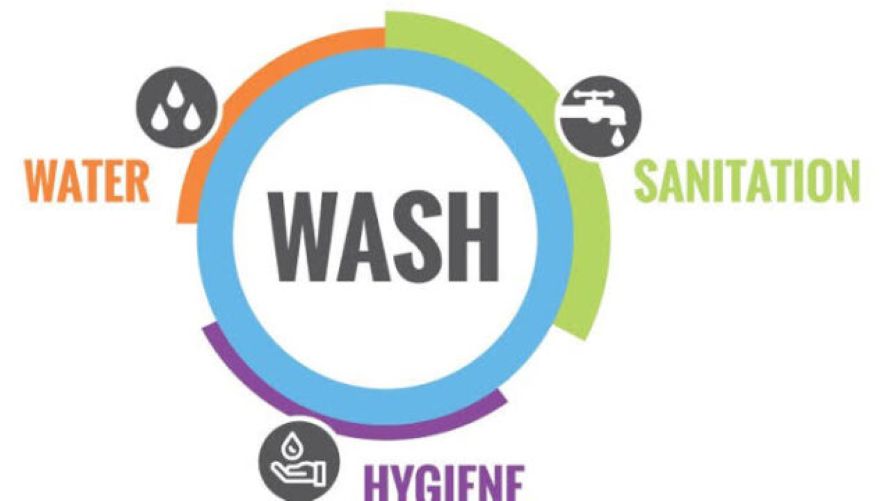
To strengthen Water, Sanitation and Hygiene (WASH) systems in the country, Self Help Africa through it’s Water Systems for Health (WS4H) programme, has improved and restored access to safe water for more than 320,000 people in Kano and Cross River states.
The project also facilitated the scaling up the 2026 budgetary allocation in Water and Sanitation in Cross River state by 211percent in Cross River state and 169.07 percent in Kano state.
The Country Director of Self Help Africa Joy Aderele WS4H National Learning and Dissemination Workshop disclosed that over the last 2years, the project facilitated the construction of more than 5,520 household toilets in Yala and Makoda Local Government Areas, improving sanitation and reducing open defecation.
Nigeria still faces major WASH challenges, with millions of people lacking access to safe water and sanitation services. They noted that rural communities are the worst affected, while climate change, inadequate funding and weak institutional capacity continue to limit service delivery.
They said that over the past two years, the WS4H programme partnered with federal, state and local governments, development partners and other stakeholders to strengthen WASH governance, improve planning and financing, support policy reforms and promote accountability in the sector.
She revealed that both states also reviewed and adopted updated WASH policies and launched WASH Financing Strategies and Basic Sanitation Access Roadmaps to improve funding and expand access to services.

She also highlighted the passage of the Water Law and the Open Defecation Prohibition Bill as key legislative achievements expected to strengthen WASH service delivery.
The programme further supported the development of strategic WASH plans for local governments to improve planning, strengthen local ownership and guide future investments.
Aderele disclosed that the programme’s implementation model is already being replicated in other area revealing that lessons from interventions in Yala Local Government Area are now being applied in Obubra Local Government Area to expand successful approaches.
Despite the progress, she however identified inadequate institutional capacity, limited funding, climate-related challenges and political transitions as major obstacles to sustaining reforms.
She called for stronger commitment from the Federal Government, state and local governments, development partners, civil society organisations and the private sector to sustain and expand the gains made through increased funding, effective implementation of policies and stronger partnerships.
The Director of Water Quality Control and Sanitation, Mr. Jamilu Habu in his remarks called for stronger collaboration among government institutions, development partners, civil society organisations, the private sector and communities to sustain improvements in water, sanitation and hygiene (WASH) services across the country.
He maintained that sustained partnerships were essential to achieving universal access to safe water, sanitation and hygiene.
He however commended Self Help Africa and its partners for successfully implementing the WS4H programme in Kano and Cross River states, saying the initiative had strengthened WASH governance through improved coordination, evidence-based planning and enhanced institutional capacity.
Habu said the workshop provided an opportunity for stakeholders to review the programme’s achievements, assess lessons learned and identify strategies for improving the effectiveness and sustainability of WASH interventions nationwide.
According to him, the evidence, innovations and best practices generated under the programme would support informed decision-making and guide future policies, programmes and investments aimed at expanding access to safe water, sanitation and hygiene services.
He stressed the need for stakeholders to openly assess implementation challenges and the strategies used to overcome them, noting that such lessons would help strengthen future WASH programmes.
The director also urged stakeholders to sustain the gains recorded under the programme and explore opportunities to replicate successful interventions beyond the current project cycle.
He reiterated the ministry’s commitment to working with development partners and other stakeholders to strengthen WASH systems and accelerate Nigeria’s progress towards achieving Sustainable Development Goal 6 on clean water and sanitation.

