 Follow Us on Google News
 Follow Us on Google Discover
Africa must urgently adopt a new economic growth model centred on industrialisation, value addition and innovation if it is to create enough jobs for its rapidly expanding labour force, Prof. Oyebanji Oyelaran-Oyeyinka has said.
Oyelaran-Oyeyinka, who is the Chairman of Foundation for Innovation Technology and Development, spoke during the Africa Development Impact Forum (ADIF) on “Best Practices and Innovative Solutions for Job Creation in Africa,” organised by the United Nations Economic Commission for Africa (UNECA).
He warned that Sub-Saharan Africa is experiencing the fastest demographic transition in modern history, presenting both an unprecedented opportunity and a major economic challenge.
According to him, the region’s labour force is projected to increase by over 620 million people between now and 2050, accounting for nearly 80 per cent of the total increase across developing economies worldwide.
This demographic advantage notwithstanding, Oyelaran-Oyeyinka noted that most African economies remain trapped in low-productivity growth patterns, with between 70 and 80 per cent of households still living in quasi-subsistence conditions.
He described the situation as a “structural growth trap,” characterised by widespread rural and urban poverty, stagnant productivity and limited industrial development.
The former senior special advisor on industrialisation to the president of the African Development Bank identified the factors responsible for the continent’s inability to generate sufficient employment opportunities as including unmodernised agriculture and artisanal mining, which continue to keep rural communities poor.
The others, he said, are rural-to-urban migration fuelled by the absence of economic opportunities, and the rapid expansion of urban slums as cities struggle to absorb new entrants into the labour market. He also pointed to the absence of income convergence and nearly three decades of stagnant productivity growth, which have significantly slowed Africa’s industrialisation efforts.
According to him, over 70 per cent of employment across the continent remains concentrated in small, informal and family-owned enterprises that lack the productivity and scale needed to drive sustainable economic transformation.
To reverse the trend, Oyelaran-Oyeyinka advocated a new development strategy built on two key pillars: rural industrialisation anchored on agribusiness and low-technology consumer industries, alongside urban industrial ecosystems driven by medium and large-scale enterprises capable of achieving economies of scale.
He also identified five strategic sectors capable of transforming Africa’s economy and generating millions of jobs, with the first being agro-processing. He noted that though Africa possesses about 65 per cent of the world’s uncultivated arable land and over 60 per cent of its workforce is employed in agriculture, the sector contributes only about 15 per cent of the continent’s Gross Domestic Product due to limited value addition.
He cited Ethiopia’s floriculture industry as an example of successful agricultural industrialisation, noting that exports from the sector grew from virtually nothing in 2000 to over $250 million by 2022.
Among others, he stated that manufacturing also holds enormous potential despite Africa accounting for less than two per cent of global manufacturing output. With the continent’s consumer market projected to reach 1.7 billion people by 2030, he argued that expanding industrial production could create millions of jobs.
The others include renewable energy, which Oyelaran-Oyeyinka identified as another critical area requiring investment, particularly as an estimated 600 million Africans still lack access to electricity.
‘How Nigeria, others can leverage industrialisation for job creation’
Date: 29 June 2026 4:54am WAT
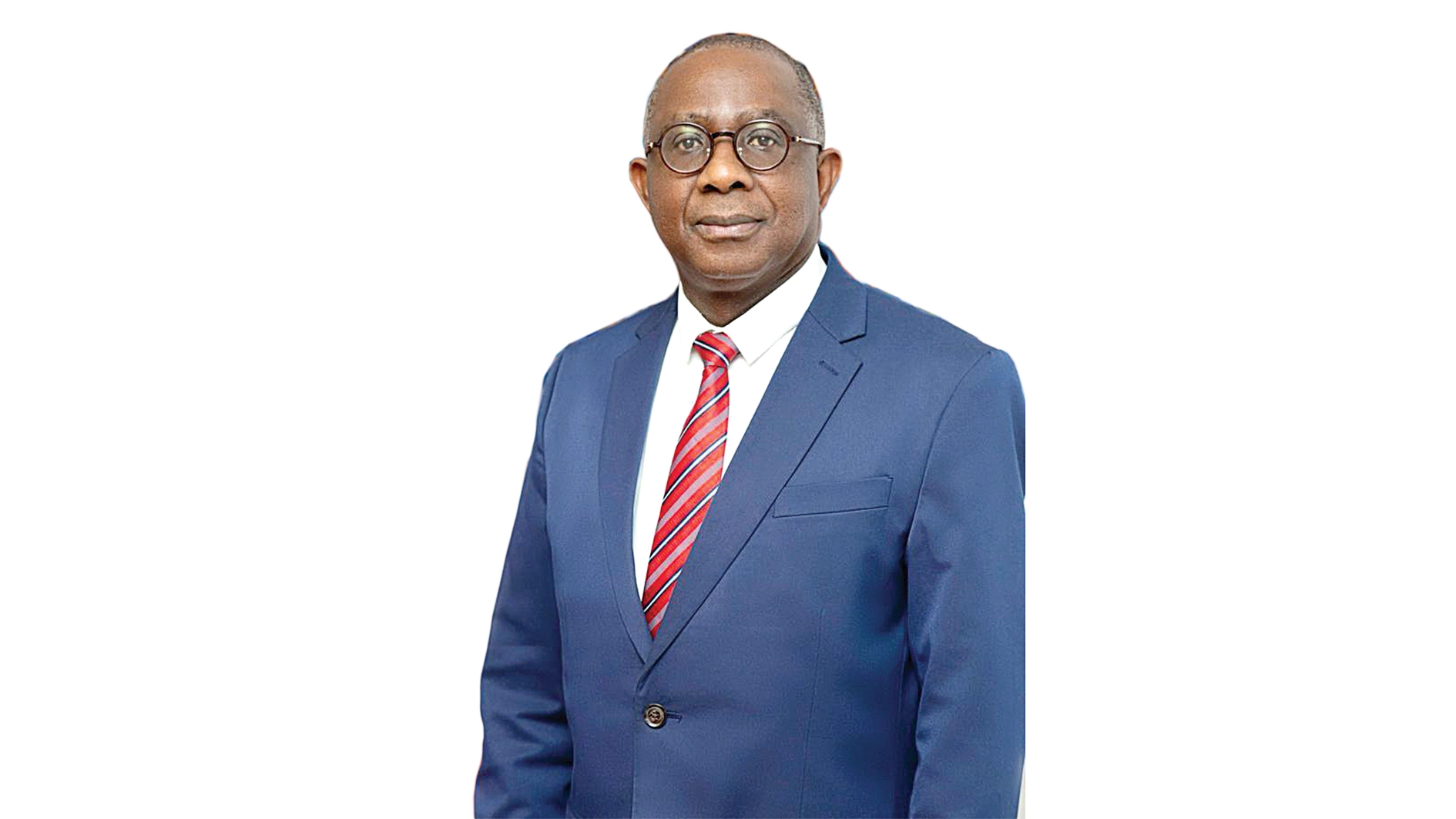
Professor Oyebanji Oyelaran-Oyeyinka (OOO)
Professor Oyebanji Oyelaran-Oyeyinka (OOO)

