 Follow Us on Google News
 Follow Us on Google Discover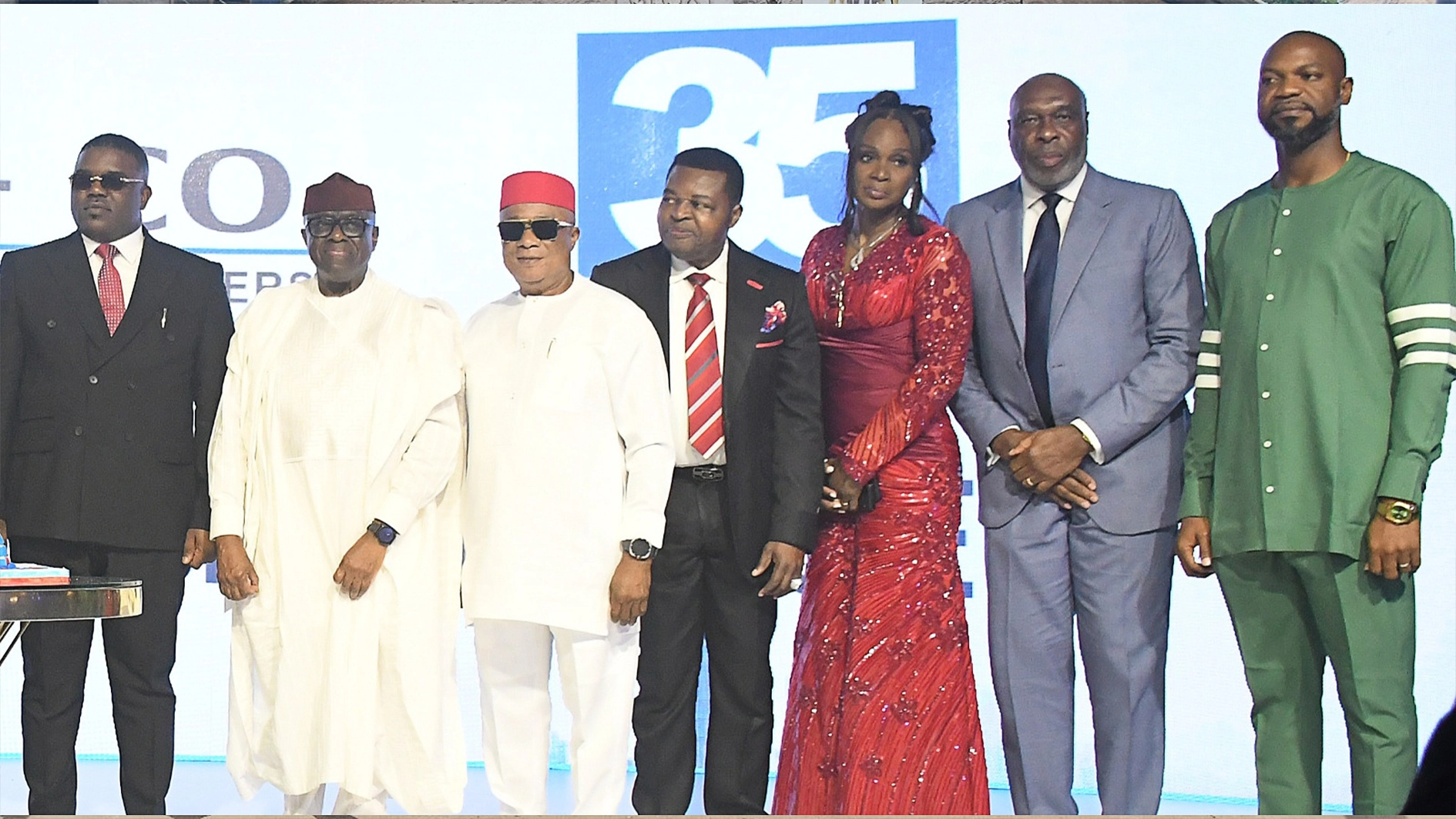
Nigeria’s commercial office market is increasingly dividing into two distinct segments, with prime Grade A properties in Lagos sustaining strong demand while older Grade B buildings face rising vacancies amid changing occupier preferences, according to the latest report by Ubosi Eleh and Company.
The 10th Nigeria Real Estate Report, launched at a gala dinner themed “Built on Legacy, Leading the Future” organised by the company in Lagos, revealed that prime office rents in the Ikoyi submarket have stabilised at about $55 per square metre yearly for standard Grade A spaces.
However, premium, newly delivered office buildings with superior infrastructure, reliable power supply, security, parking facilities and strong multinational tenant demand command significantly higher rents, ranging from $100 to $400 per square metre yearly, depending on location, specification and lease structure.
The report launch attracted government officials, property professionals, legal practitioners and business leaders. Presenting the report, Co-founder of Ubosi Eleh & Company, Mr Emeka Eleh, said the publication was developed to address the shortage of reliable property market data in Nigeria, stressing that investment decisions should be guided by evidence rather than speculation.
“Property decisions should be driven by data rather than speculation,” Eleh said.
He added, “The market does not reward scale alone; it rewards discipline, timing and clarity of strategy.”
Former Vice President, Prof. Yemi Osinbajo, who attended the event, said lasting professional partnerships are built on trust, integrity and maturity. Lagos State Governor Babajide Sanwo-Olu was represented by his Special Adviser on Works, Adekunle Olayinka, who noted that estate surveyors and valuers play an important role in strengthening investor confidence and supporting infrastructure financing.

According to the report, several office towers in Victoria Island and Ikoyi maintained near-full occupancy despite economic disruptions experienced over the past two years. The resilience was largely driven by multinational occupiers in consulting, professional services, aviation and energy sectors, whose long-term lease commitments and operational requirements make relocation costly.
The outlook for the secondary office market, however, remains challenging. Vacancy levels across Grade B office stock in Lagos are estimated at 36 per cent, reflecting prolonged oversupply and changing tenant priorities.
Many occupiers, the report noted, are using lease expiration periods as opportunities to upgrade to better-quality office spaces rather than renew at existing locations. As a result, landlords with ageing office assets are increasingly converting underperforming spaces into residential, retail and hospitality uses to improve returns and reduce vacancy risks.
The report also observed that new commercial developments entering the market are increasingly adopting mixed-use formats, combining offices with retail, dining, leisure and residential components to create diversified income streams and reduce dependence on a single tenant category.
One of the biggest structural shifts in Lagos’ office market has been the rise of Eko Atlantic City as a major commercial destination. The report described its emergence as “the most structurally significant location shift in the Lagos office market in the past decade,” noting that major Nigerian companies are increasingly adopting the district as a flagship business address.
The shift reflects a wider transformation in office demand, with occupiers prioritising infrastructure quality, energy reliability, security and integrated live-work-play environments over traditional business district locations.
The report concluded that future performance in Nigeria’s office market will increasingly favour well-located, infrastructure-rich Grade A and mixed-use developments, while owners of secondary office properties may need to reposition or redevelop their assets to remain competitive.

