 Follow Us on Google News


 Follow Us on Google Discover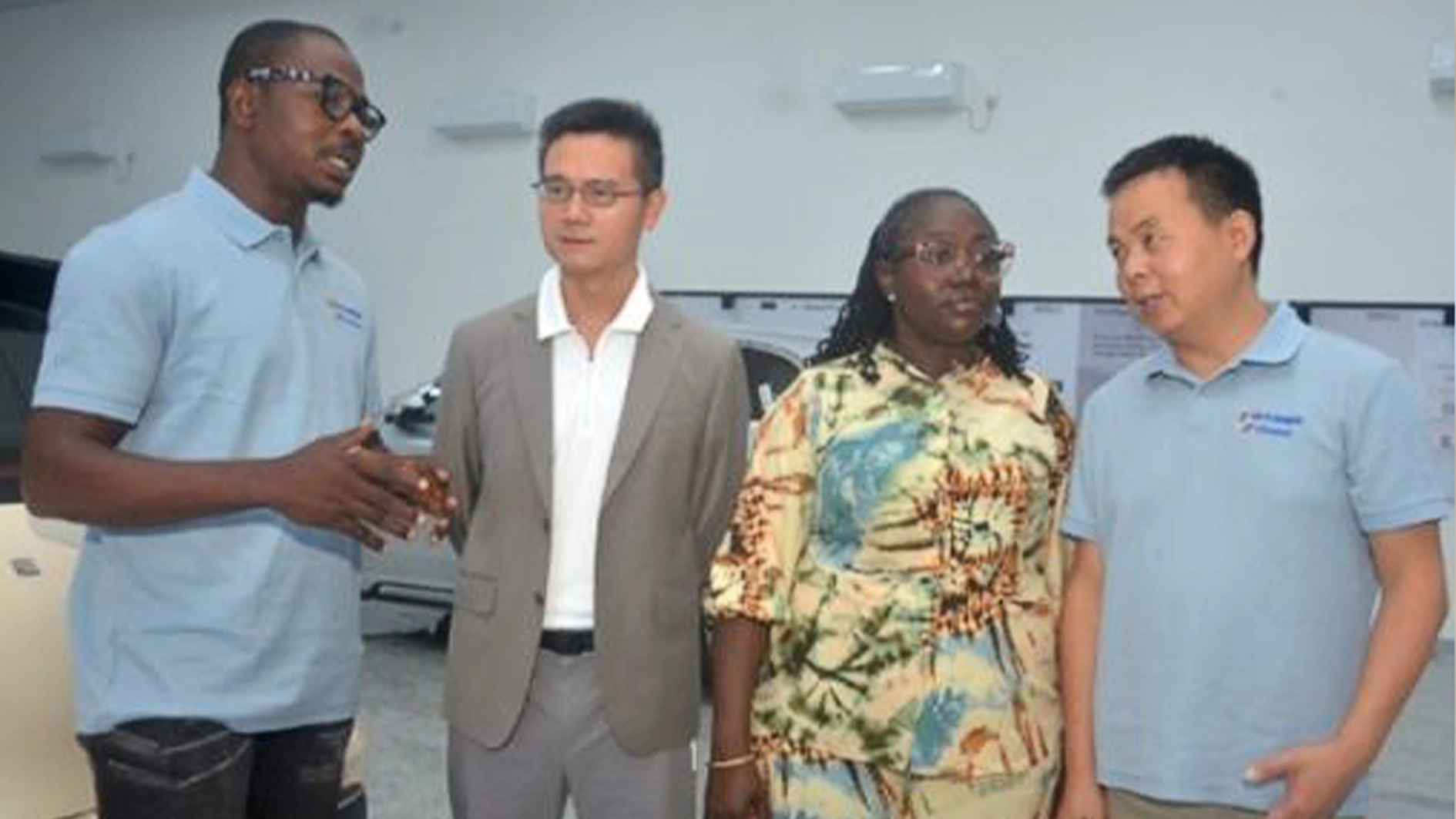
The Chief Executive Officer of Tim Motors, Leon Zhan, has expressed confidence that the adoption of electric vehicles (EVs) and other new energy vehicles (NEVs) in Nigeria will accelerate in the coming years, driven by global industry trends, improving purchasing power and growing demand for cost-effective transportation.
Speaking during an interactive session with journalists in Lagos, Zhan acknowledged that the high cost of acquiring electric vehicles and limited charging infrastructure remain key barriers to wider adoption.
However, he said these challenges would gradually diminish as Nigeria’s economy improves and consumer purchasing power strengthens.
According to him, Nigeria’s current low penetration of electric vehicles presents a significant investment opportunity, particularly as motorists seek alternatives to rising fuel costs.
“If you are making a decision for investment, you have to look at the trend and the room for growth. Currently, electric vehicles account for just one or two per cent of this market, while in countries like China, penetration is around 70 per cent. That shows the huge growth potential for Nigeria,” he said.
Zhan noted that the size of the Nigerian market continues to attract Chinese automobile manufacturers, adding that their vehicles would become increasingly affordable over time.
“Nigeria is growing, and purchasing power is also improving. In the coming years, more Nigerians will be able to afford Chinese vehicles that offer advanced technology at competitive prices,” he said.
The Tim Motors boss disclosed that the company plans to establish after-sales support centres across major cities to ensure seamless ownership experience for customers.
The move follows the company’s recent launch of Geely Galaxy new energy vehicles in Nigeria under an exclusive distributorship agreement with Geely Auto, one of China’s leading automakers in the transition to new-energy mobility.
He also revealed that the company has already put infrastructure in place in Abeokuta to support future local vehicle assembly operations.
Zhan said Tim Motors had carefully planned its entry into Nigeria’s electric vehicle market by addressing key concerns such as maintenance, spare parts availability and charging support.
To strengthen customer confidence, the company has entered into partnerships with service providers nationwide.
“Many people ask how quickly they can get support if their EV develops a fault. That is why we have created a network of partners to provide these services. We already have 10 partners, and we will expand to cities such as Abuja, Kano and Port Harcourt in the coming months,” he said.
He added that the company’s long-term goal is to ensure customers can access technical support within a five-kilometre radius of their homes or workplaces.
Tim Motors also maintains a dedicated team in China responsible for sourcing and delivering genuine spare parts to Nigeria.
The CEO further announced that additional Geely Galaxy models would be introduced into the Nigerian market in the coming months, noting that the EX2, EX5 and EX5 EM-i are only the first phase of the brand’s rollout.
According to him, Chinese electric vehicle technology now rivals—and in some cases surpasses—that of many established global automakers while remaining between 20 and 30 per cent more affordable.

Tim Motors recently unveiled three Geely Galaxy models for the Nigerian market: the EX5 EM-i, EX5 and EX2.
The EX5 EM-i is a hybrid family SUV combining petrol and electric power to deliver a driving range of over 1,000 kilometres with lower fuel consumption and reduced emissions.
The EX5 is a mid-size SUV offering a premium technology-focused cabin and an all-electric range of more than 430 kilometres, while the EX2 is an entry-level electric hatchback designed for urban commuters seeking an affordable alternative to petrol-powered vehicles amid rising fuel costs.
Geely Auto, which owns internationally recognised brands including Volvo Cars, Polestar and Lotus, has established itself as one of the world’s leading automotive manufacturers, selling more than 3.4 million vehicles annually across both new energy and internal combustion engine segments while continuing to expand its global footprint.

