 Follow Us on Google News
 Follow Us on Google Discover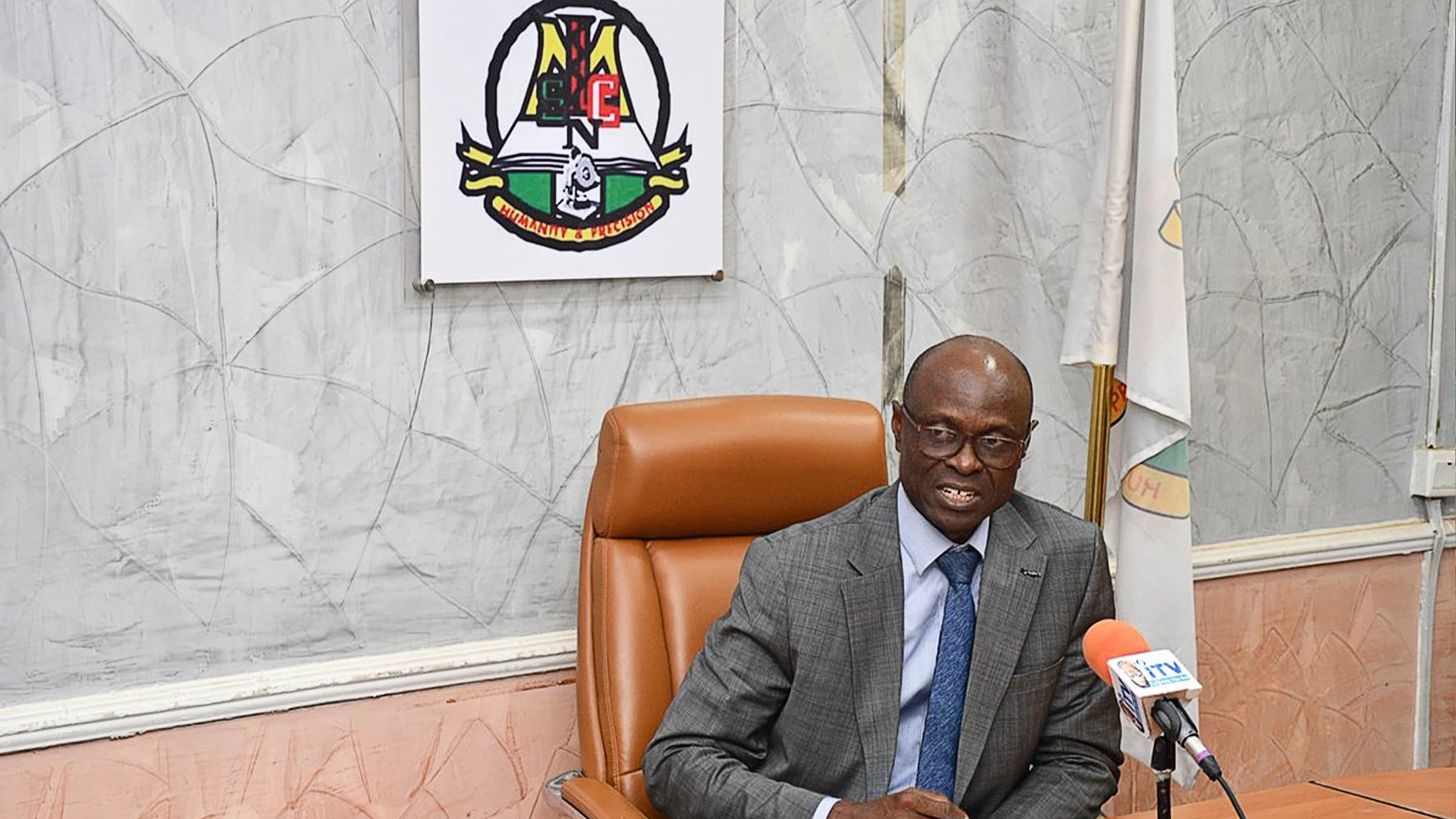
The newly appointed Registrar and Chief Executive Officer of the Medical Laboratory Science Council of Nigeria (MLSCN), Dr Donald Ibe Ofili, has pledged to reposition the council as a globally respected regulatory agency by strengthening oversight of medical laboratories and ensuring that diagnostic results generated across Nigeria are accurate, reliable and safe for patient care.
Speaking on Thursday in Abuja when members of the Association of Medical Laboratory Scientists of Nigeria (AMLSN), led by its National President, Dr Casimir Ifeanyi, alongside elders of the profession, paid him a congratulatory visit following his appointment, Ofili said the council would enforce stricter regulatory standards to guarantee the quality of laboratory services nationwide.
He stressed that only validated diagnostic kits and reagents should be used in medical laboratories, warning that unregulated test kits pose significant risks to patient safety and public health.

“If test kits used in our laboratories are not subjected to regulatory requirements, it is a major risk to use such kits for testing medical samples,” he said.
Ofili disclosed that the council’s accreditation service was recently admitted as an Associate Member of the Global Accreditation Cooperation Incorporated (Global ACI), a development he said would ensure international recognition of laboratory accreditations issued by the MLSCN.
According to him, the council is responsible for regulating medical laboratory practice, services and facilities across Nigeria, and his administration will strengthen compliance with regulatory guidelines to ensure the reliability and accuracy of laboratory results, including in underserved communities.
“As a regulator, we have 14 offices across the country. We have our eyes on every laboratory in Nigeria,” he said.
“Our records show that more than 4,000 medical laboratories are registered in our database, and these laboratories are monitored by trained and competent inspectors through regular supervisory and monitoring visits to ensure reliable test results for patient safety and the protection of public health.”
On the proliferation of substandard reagents and diagnostic products, Ofili said the MLSCN is empowered under Section 4(e) of its establishing Act to regulate the production, importation, sale and distribution of in-vitro diagnostic reagents and chemicals used in medical laboratories.
He explained that the council operates a Public Health In-Vitro Diagnostic Control Laboratory in Yaba, Lagos, where diagnostic kits manufactured locally or imported into Nigeria are validated before being approved for use.
“Only validated test kits receive regulatory approval and a unique identification number. We also carry out post-market surveillance by picking products from the market for revalidation to ensure continued compliance with our standards,” he said.
The registrar also vowed to intensify the fight against quackery in the profession.
He noted that the council regulates medical laboratory scientists, technicians and assistants and would not allow unqualified persons to operate laboratories.

