GDN SIDEBAR
Stakeholders in African entertainment have said the next phase of reality television on the continent must focus on original formats, stronger ownership and stories that reflect African experiences.
They spoke during interviews with Guardian Life, days before the launch of GRIT, a reality competition show created by Faaji Productions.

The founder and executive producer of Faaji Productions, Oyinkansola Owoyemi, said Africa had never lacked strong storytellers.
According to her, what the continent needs are stronger institutions that can own, scale and distribute those stories beyond one season or one market.
She said her background in business strategy shaped how she entered the entertainment industry.
For her, storytelling is not only about creativity. It is also about value, structure and ownership.

“Africa has never lacked great storytellers. What we are still building are the institutions that own and scale those stories,” she said.
Owoyemi said GRIT was created from the desire to explore a different kind of unscripted storytelling.
She said the show was not built because African television lacked successful reality shows, but because there was room for more original formats that could become African intellectual property.
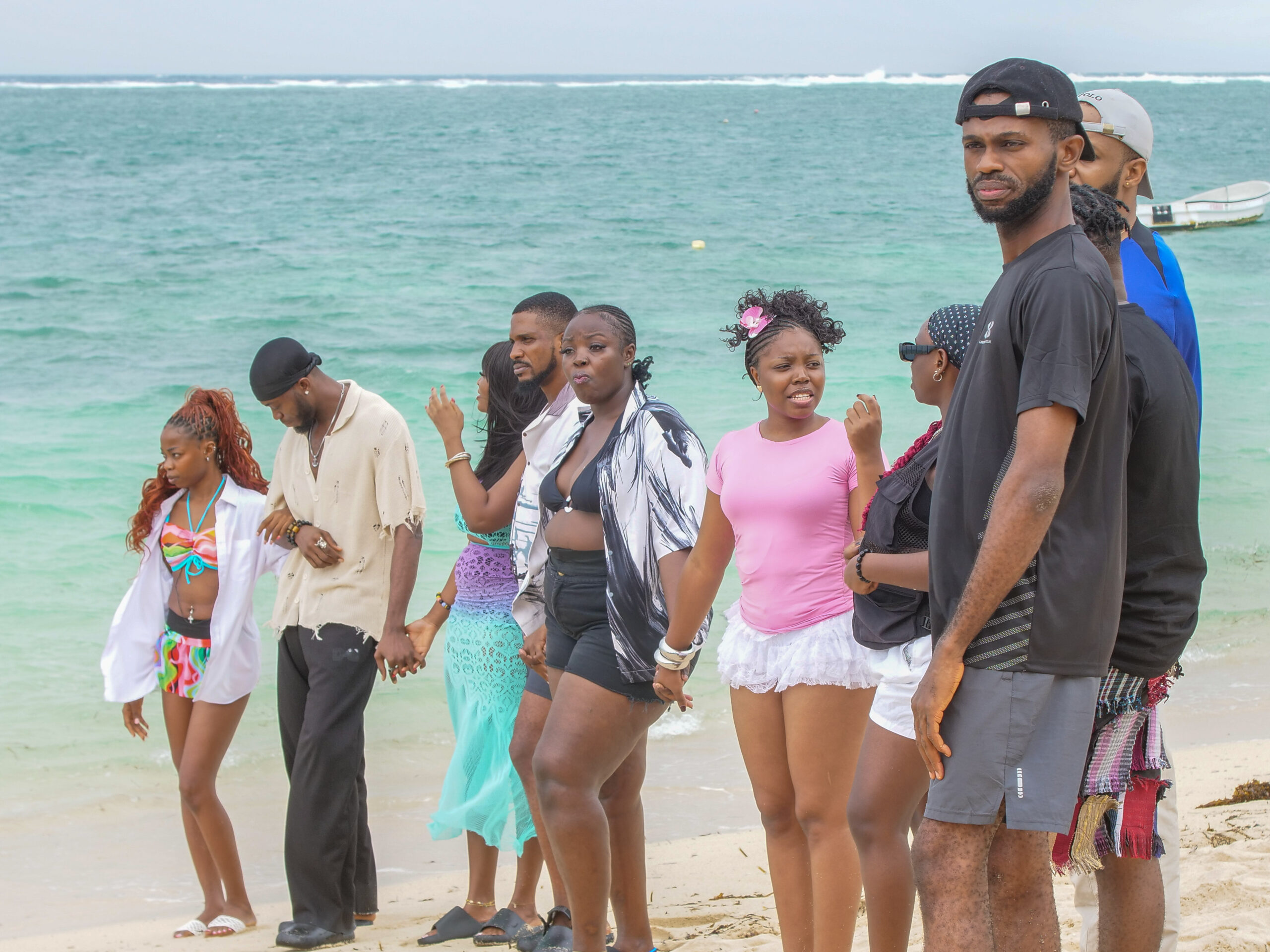
The show places strangers in an unfamiliar environment, where they are expected to navigate physical challenges, strategy, trust, competition and human relationships.
But Owoyemi said the challenges are not just for entertainment. They are a way of revealing character.
She noted that African television has done well with music, talent and relationship-based reality formats, but challenge-based competition shows remain underexplored.
According to her, the continent has room to build formats that combine strategy, physical pressure, social dynamics and psychological gameplay.
She said African producers should not only adapt ideas from other markets, but also create formats that can travel beyond the continent.
“The future of African entertainment will not simply be defined by the stories we tell. It will be defined by who owns them,” she said.

Series director and producer Gbenga Kayode also said African reality television must begin to move beyond foreign structures.
He said many shows produced across the continent were adaptations of formats created in Europe or America.
According to him, even when such shows are localised, they still carry the identity, rules and limitations of where they were first created.
Kayode said working on an original format gave the team a different kind of creative freedom.
He said it allowed them to think about how Nigerians and Africans naturally tell stories, react under pressure and build relationships.
“With GRIT, we had the chance to create something completely new and authentic to the way Nigerians and Africans tell stories,” he said.
He explained that most reality shows fall into clear categories, including talent shows, challenge-based shows and fly-on-the-wall formats.
For him, the task was to create something that could mix physical competition with real human behaviour.
He said a good reality format should not depend only on drama, shouting or forced conflict.
Instead, it must have clear rules, real stakes and a structure that allows people to reveal themselves naturally.
“It is not about creating drama for drama’s sake. It is about allowing people to live, react and show themselves truthfully,” he said.
For him, reality television becomes powerful when it reflects society.
“When you bring a group of people together and select them properly, what you see is a reflection of society,” he said.

Actress Ini Dima-Okojie, who hosts the show, said her job was to guide the contestants without taking attention away from them.
She described her role as being the steady presence in the middle of pressure, emotion and competition.
“My job is not to compete for attention but to elevate what is already happening,” she said.
Dima-Okojie said young audiences now want stories that feel real.
She said viewers can easily tell when a moment is forced or manufactured.
For her, African reality television can connect better with today’s audience by investing in original formats, strong production quality and contestants who reflect the diversity of the continent.
She added that reality television does not always need celebrities to work.
According to her, viewers will care about unknown contestants if their stories are honest, relatable and emotionally engaging.
She said, “Today’s audience values authenticity more than anything.”
Kenyan line producer, Diana Mbondo, said the production also showed the importance of collaboration between African countries.
She said the production received support from local officials, the Kenya Film Commission and communities in Kilifi County, where filming took place.
“Nobody else can tell our stories the way we can,” she said.