 Follow Us on Google News


 Follow Us on Google Discover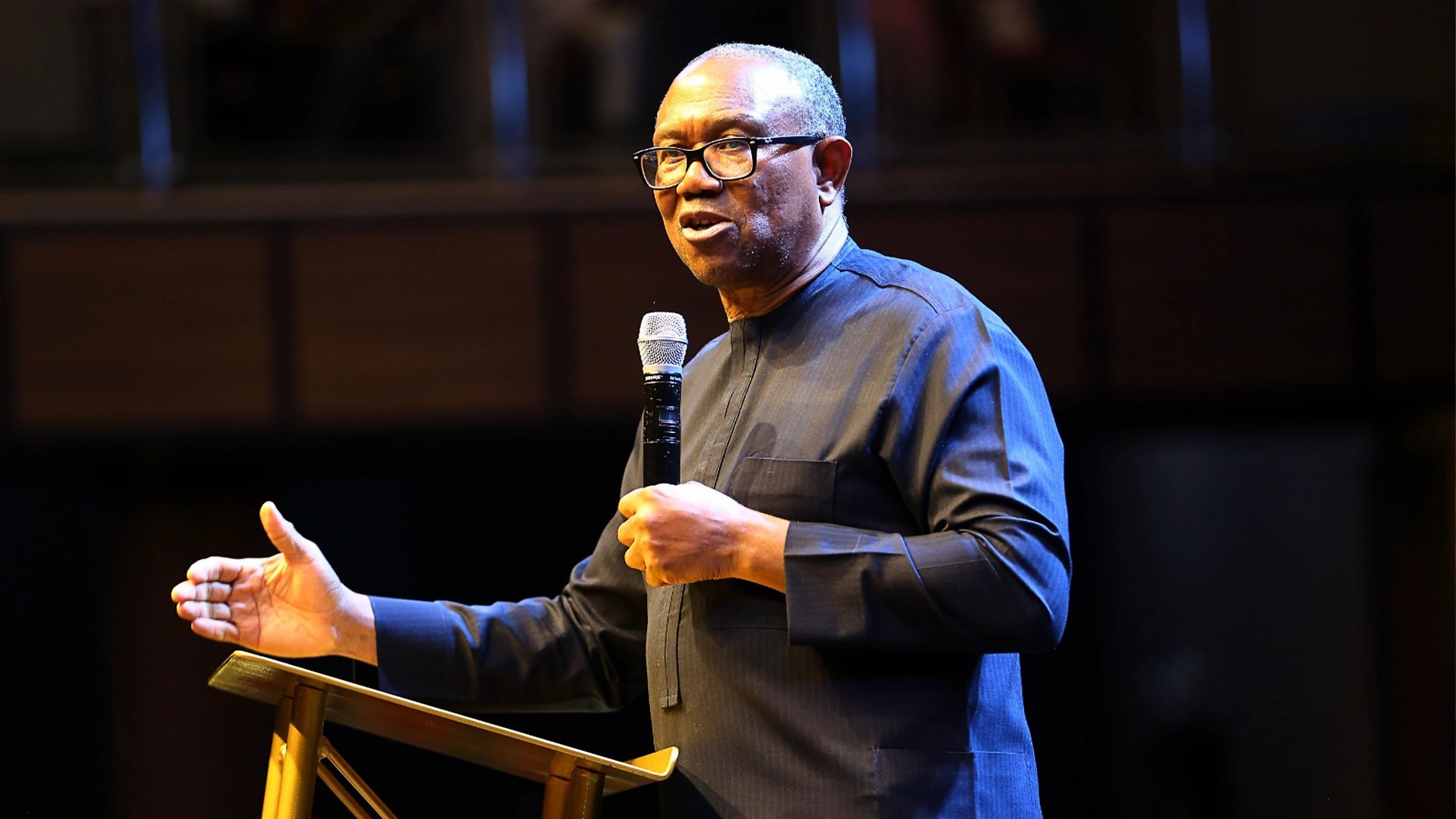
• Retired judge warns loopholes in Electoral Act could undermine 2027 polls
• A’Ibom ex-gov says Tinubu’s economic reforms yielding positive results
Former President Goodluck Jonathan has debunked a media report alleging he was offered N500 billion to contest against the presidential candidate of National Democratic Congress (NDC), Peter Obi, to split South-South votes.
Meanwhile, retired High Court judge and foremost authority on electronic evidence, Justice Alabama Omolaye-Ajileye, warned that critical amendments to the Electoral Act 2026 might have reopened the very loopholes electronic voting reforms were designed to eliminate.
But immediate past governor of Akwa Ibom State, Udom Emmanuel, has thrown his weight behind the economic reforms of President Bola Tinubu, saying the policies are beginning to produce encouraging results as reflected in key macroeconomic indicators.
Special Adviser on Media to Jonathan, Dr Ikechukwu Eze, in a statement yesterday in Abuja, described the publication as entirely false and baseless.
Eze called on Nigerians to disregard what he described as a fabricated report published by a “little-known website” which “falsely” attributed a statement to Jonathan claiming that he was offered such amount.

He noted that the fabrication lacked the most basic standards of journalism.
“The report failed to state where or when Jonathan allegedly made such a claim, who was present or who purportedly made the alleged offer,” he said.
The GEJ’s aide noted that the publication bore all the hallmarks of fake news deliberately crafted to mislead the public and drag the former President into unnecessary political controversy.
IN a critique likely to reignite national debate over electoral credibility, the retired jurist accused the National Assembly of creating an internally contradictory legal framework—one that insists on technology for voter accreditation but permits a return to manual procedures at the most critical stage of the electoral process: the transmission and collation of results.
His intervention comes amid heightened political tension ahead of the 2027 general elections and growing demands by political parties and civil society organisations for stronger legal safeguards against electoral manipulation.
Speaking in Abuja during the public presentation of his books, Electronic Evidence (Second Edition) and Compendium of Cases on Electronic Evidence, Volume II (2020–2025) over the weekend, Justice Omolaye-Ajileye said the amendment reflected “some kind of insincerity” in the country’s commitment to transparent electronic elections.
According to him, while the amended law rightly makes the Bimodal Voter Accreditation System (BVAS) mandatory for accrediting voters, it inexplicably weakens the integrity of the process by allowing election officials to revert to manual recording or collation whenever electronic transmission fails.
This fallback provision, as presently drafted, he argued, lacks stringent legal safeguards and could become a ready-made avenue for abuse.
“The weakness of the amendment is not that it recognises the possibility of technological failure,” he said. “The defect lies in making manual recording or manual collation the automatic fallback without imposing strict safeguards.”
The retired judge warned that unless the law is strengthened, unscrupulous actors could deliberately exploit claims of network failure in politically-sensitive polling units to justify abandoning electronic transmission and reverting to manual handling of results.
According to him, the amendment leaves several critical questions unanswered.
EMMANUEL, a former banker, while backing Tinubu, maintained that although the country is facing significant economic challenges, the emerging improvements in Nigeria’s macroeconomic fundamentals provide grounds for optimism and deserve the support of all Nigerians.
His position was conveyed by his Special Assistant on Media, Stephen Abia, while speaking with journalists on preparations for the former governor’s 60th birthday.
According to Emmanuel, nations confronted with existential challenges require collective support for the leadership to restore stability and normalcy.
“When nations face existential crisis, leaders are bound to rally around the incumbent leadership in a bid to rescue and restore normalcy. Our case in Nigeria shouldn’t be different as we confront our current challenges,” he said.

