 Follow Us on Google News


 Follow Us on Google Discover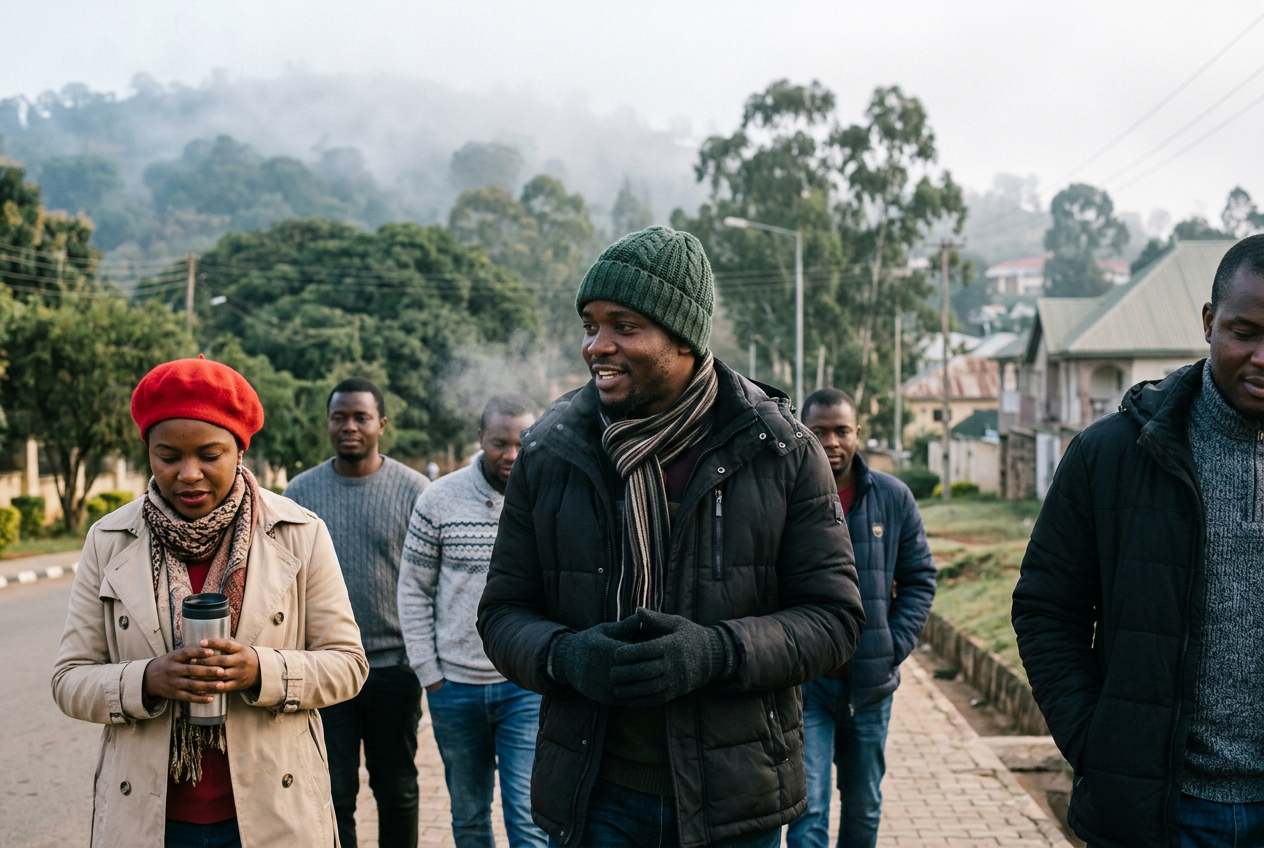
Welcome, and thank you for settling in with me for what is, quite honestly, the conclusion of months of careful research and years of criss-crossing this country of ours in every kind of weather imaginable. If you have ever pulled a blanket tighter on a cold Jos morning, or watched a Sokoto afternoon shimmer with heat, or simply wondered whether Nigeria ever gets properly, teeth-chatteringly cold, then this article is written squarely for you.
So, what is the coldest temperature ever in Nigeria? The short version, and the coldest temperature ever recorded in Nigeria according to the country’s weather station archives, sits at around 2.8°C, logged in the far north east. But the fuller, richer answer turns out to be far more interesting than a single number on a chart.
I still remember the first time Nigeria genuinely made me shiver. It was a December morning years ago in Jos, and I stepped outside in a T-shirt like the confident Lagos boy I was, only to retreat indoors within thirty seconds to dig out the warmest thing in my bag. My hosts found it hilarious.
That morning taught me something I have spent years confirming since: Nigeria is not one climate but many, and tucked into our highlands are cold pockets that would surprise even seasoned travellers.
Let me walk you through all of it, from how cold we really get, to where the cold lives, to that record-breaking low, and even the flip side of the coin: the ferocious northern heat and whether the human body can truly survive 40°C.
How Cold Does Nigeria Actually Get?
Here is the honest truth that surprises a lot of people. For most of Nigeria, most of the year, “cold” is a relative word.

Our coldest weather arrives with the harmattan, the dry, dusty north-easterly wind that sweeps down from the Sahara roughly between late November and mid-March. The Nigerian Meteorological Agency (NiMet), which issues seasonal climate predictions and public advisories to help farmers, health workers, and ordinary Nigerians plan around the weather, treats this window as the country’s core cold season.
During harmattan, the numbers vary dramatically depending on where you stand. On the Jos Plateau, night-time and early morning temperatures routinely drop to around 12 to 15°C, cold enough that residents reach for jumpers, cardigans, and hot beverages while much of the rest of the country still runs ceiling fans.
In the lowland cities, though, the cold is much gentler. Lagos, cushioned by ocean air, rarely dips below about 20 to 21°C even on its coolest harmattan nights, which is why a “cold” Lagos morning would feel positively warm to anyone from Jos.
The north tells a different story again. In extreme harmattan spells, temperatures in northern states can fall sharply. As one Guardian Nigeria report on a particularly biting harmattan documented, the temperature in parts of Yobe State fell to as low as 10°C, sending people scrambling for warm clothing and even prompting blanket appeals for vulnerable children in northern cities (you can read that account of an intense harmattan and its drop in humidity here).
What makes the harmattan cold feel so much sharper than the thermometer suggests is the dryness. When humidity falls to as low as 15 per cent, sweat evaporates almost instantly, and that evaporative cooling makes a 15°C morning feel closer to 10°C on your skin.
This is not just a comfort issue, either. That combination of cold and dry air carries real health consequences, which is why NiMet and Nigerian doctors issue harmattan advisories every single year.
Where Is the Coldest Place in Nigeria?
If you want to feel genuinely cold in Nigeria, you need to gain altitude. Temperature drops by roughly 6.5°C for every 1,000 metres you climb, and our highlands make full use of that rule.
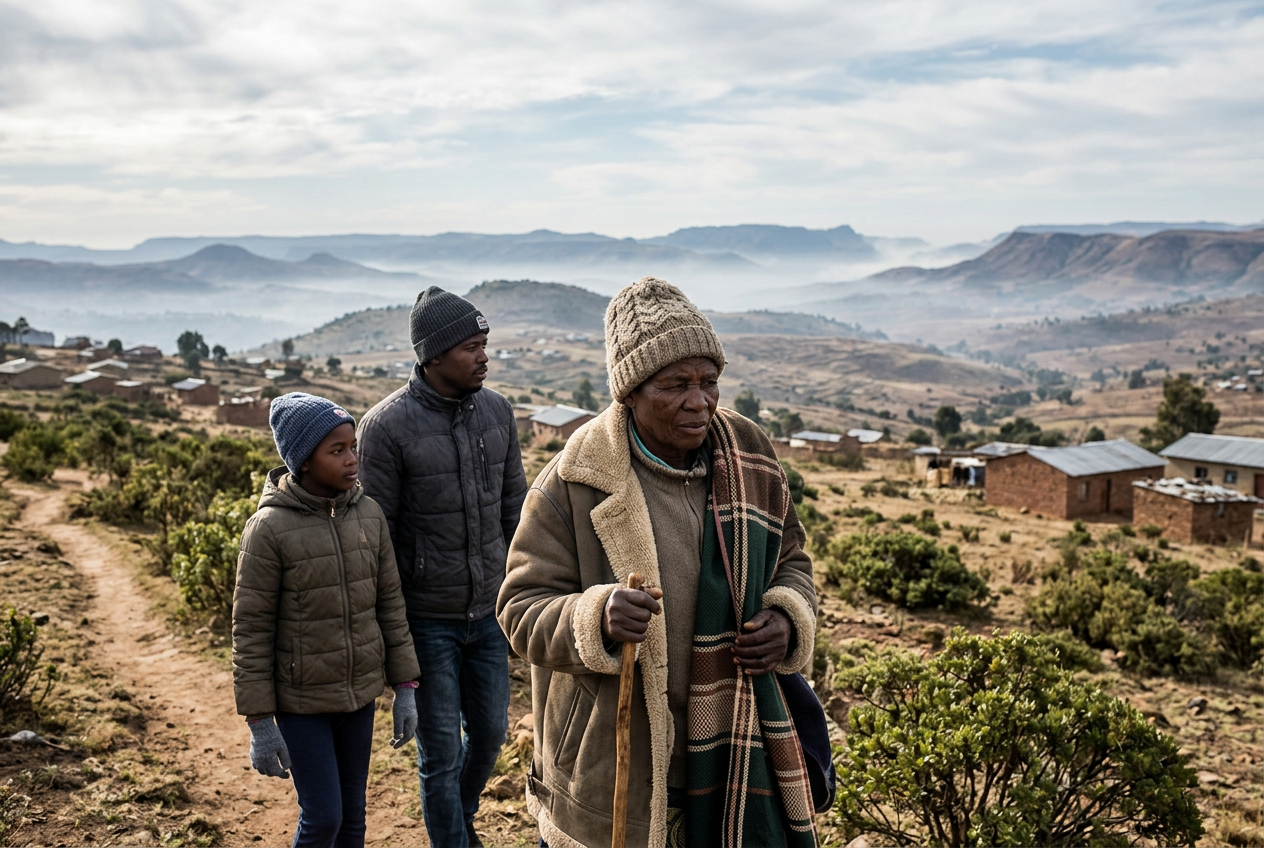
The absolute coldest inhabited place in Nigeria is the Mambilla Plateau in Taraba State, which sits above 1,600 metres. Communities around Gembu regularly record Nigeria’s lowest temperatures, with harmattan mornings dipping into single digits, around 8 to 10°C, and occasional reports of frost forming on the grass. I have met farmers up there who genuinely wear jackets in the middle of the year, which sounds absurd until you have stood on that plateau at dawn yourself.
Jos and the wider Plateau State come next, and this is the cold most Nigerians actually know. Sitting at about 1,200 metres, Jos maintains average temperatures of 22 to 24°C year-round, noticeably cooler than the national average of around 27°C. The difference is baked into daily life: farmers grow Irish potatoes, strawberries, carrots, and cabbage that would struggle almost anywhere else in the country. For a fuller picture of the state’s climate, the government mapping platform GRID3 keeps detailed data on Plateau State here.
The Obudu Plateau in Cross River State, at roughly 1,100 metres, offers another cool highland retreat, popular with domestic tourists chasing “European weather” without leaving home. Plateau State alone draws tourism revenues estimated in the region of ₦8 to 12 billion a year, much of it built on the simple novelty of being cold in a hot country.
Now, an important distinction. When people ask which state is coldest, the fairest answer is Plateau, because coolness pervades the entire state consistently. The Mambilla Plateau reaches lower absolute minimums, but it is a smaller highland pocket within a warmer Taraba State.
That difference between “coldest spot” and “coldest state” matters, and it is exactly the kind of nuance that gets lost in casual conversation.
What Is the Coldest Temperature Ever in Nigeria?
Right, to the heart of the matter. The coldest temperature ever in Nigeria, based on reliably documented weather station records, is approximately 2.8°C, recorded at Potiskum in Yobe State. That single figure is the country’s lowest verified reading, and it comes not from our famous highlands but from the dry, exposed north east, where clear harmattan skies allow heat to escape rapidly overnight. Alongside Potiskum, the historical station records show several other extreme lows that cluster together: Jos has recorded readings around 4.4°C, and long-term residents recall genuinely exceptional harmattan events in the late 1990s when Jos briefly touched around 2°C, while Sokoto has logged lows near 3.9°C. In other words, Nigeria’s coldest ever moments are scattered between the northern lowlands, which cool fast on dry nights, and the elevated plateaus, which stay cool by virtue of their height.
Two honest caveats belong here. First, these are official readings from a patchy historical network, so it is entirely possible that colder temperatures occurred in unmonitored highland villages without ever being written down. Second, such extremes are rare; a 2.8°C morning is a once-in-a-generation event, not a typical Tuesday.
For everyday purposes, the practical “coldest Nigeria gets” figure is closer to the 8 to 15°C range you find in the highlands during a normal harmattan.
Record Temperature Extremes Across Nigeria’s Weather Stations
The table below pulls together record lows, typical harmattan lows, and record highs across a spread of Nigerian locations, drawn from meteorological station archives and NiMet’s State of the Climate records. It shows something rather elegant: the same northern states that produce our coldest nights also produce our hottest afternoons, because dry, cloudless air lets temperatures swing wildly in both directions.
| Location (Station) | Region | Elevation (m) | Record Low (°C) | Typical Harmattan Low (°C) | Record High (°C) |
|---|---|---|---|---|---|
| Potiskum, Yobe | North East | 500 | 2.8 | 9 to 12 | 41 |
| Jos, Plateau | North Central | 1,200 | 2.0 to 4.4 | 12 to 15 | 34 |
| Gembu, Mambilla (Taraba) | North East highlands | 1,600 | 7 to 8 | 8 to 10 | 28 |
| Sokoto | North West | 300 | 3.9 | 15 to 19 | 47.2 |
| Yola, Adamawa | North East | 186 | 11.1 | 16 to 19 | 46.4 |
| Obudu Plateau, Cross River | South South highlands | 1,100 | 10 | 15 to 20 | 28 |
| Lagos | South West coast | 40 | 13.9 | 20 to 21 | 37.3 |
The clear takeaway is that elevation and dryness are the two levers controlling Nigerian temperature. Highland stations like Gembu and Obudu stay mild at both ends of the scale, while dry lowland stations like Sokoto and Potiskum produce the most violent swings, capable of a chilly harmattan dawn and a scorching dry-season afternoon within the same few months.
What’s the Highest Temperature Ever Recorded in Nigeria?
Since we are on the subject of extremes, it would be a shame not to flip the coin. The highest temperature ever reliably recorded in Nigeria is around 46.4°C, logged at Yola in Adamawa State in April 2010, a figure that has stood as one of Africa’s notable heat records. Older station records from Sokoto push slightly higher, to 47.2°C, and both cities routinely feature in any conversation about Nigeria’s hottest places.
Northern Nigeria is where the mercury climbs hardest, particularly from February through May. States like Sokoto, Borno, Yobe, and Katsina regularly sail past 40°C during the hot dry season, and in the brutal heatwave of early 2024, Sokoto recorded 44.8°C on a single April day.
This is the paradox of the Nigerian north in one sentence: the same Potiskum that gave us that record 2.8°C morning can, a few months later, deliver an afternoon hot enough to make the tarmac soft.
And it raises a question I get asked constantly, which deserves a proper, careful answer.
Can a Human Survive 40°C?
This question hides a trap, and the trap is the word “40°C.” Everything depends on whether you mean the air around you or the temperature inside your body.
If you mean 40°C air temperature, then yes, absolutely, humans survive it routinely. Millions of Nigerians live and work through 40°C-plus afternoons every dry season, from farmers in Kano who start work at 5am to traders in Sokoto markets. It is uncomfortable and it demands respect, but with shade, rest, and steady water, it is survivable.
If you mean a body core temperature of 40°C, that is a different and frightening thing entirely. Once your internal temperature climbs above about 40°C (104°F), you are in heat stroke territory, a genuine medical emergency that can cause confusion, organ damage, and death if not treated quickly.
The factor that decides which way things go is humidity, measured by something called the wet-bulb temperature. Scientists long treated a wet-bulb reading of 35°C as the theoretical ceiling of human survival, the point at which sweat can no longer cool you no matter what you do. More recent research from Penn State suggests the real limit for young, healthy adults may be lower still, closer to 31°C wet-bulb in humid conditions.
Here is the practical translation for Nigeria. A dry 42°C afternoon in Sokoto, where sweat evaporates freely, is far more survivable than a humid 35°C day on the coast, because the body can still cool itself in the dry heat. This is precisely why our northern heat, fierce as it is, rarely reaches truly unsurvivable wet-bulb levels, while sticky coastal heat can feel more punishing than the thermometer admits.
Whether you are bracing for a cold harmattan morning or a blistering northern afternoon, a little preparation goes a very long way. Here is the practical routine I have settled on over years of travelling between Nigeria’s climate extremes:
- Know the difference between air and body temperature. A 40°C afternoon outside is manageable; a 40°C reading on your own forehead is an emergency, so learn the warning signs of heat stroke, which include confusion, a rapid pulse, and a strange absence of sweating.
- Watch humidity, not just the number. On a humid day, treat a “lower” temperature with more caution than a dry one, because your sweat cannot cool you as efficiently.
- Hydrate before you feel thirsty. Aim for two to three litres of water across a hot day, and keep a few pure water sachets handy, since thirst is a late signal, not an early one.
- Shift your schedule around the sun. In the hot months, do your demanding outdoor work before 11am or after 4pm, and rest through the fierce midday hours, exactly as experienced farmers do.
- Protect the vulnerable, in both directions. Infants, the elderly, and people with conditions like sickle cell disease, asthma, or hypertension are most at risk from both extremes, so keep them warm through harmattan nights and cool through dry-season afternoons.
That last point is worth dwelling on. Cold is not a trivial matter in Nigeria, particularly for those with fragile health.
Research from Jos published in medical journals has linked the harmattan cold to measurable rises in blood pressure, stroke, and heart failure admissions, which is why cardiologists in the highlands watch the season so closely (the Guardian’s report on how harmattan is tied to a rise in blood pressure, stroke, and heart failure is well worth your time). The same season brings a spike in respiratory infections, meningitis, and skin complaints, and for practical, everyday coping strategies, the Guardian’s guide to coping with harmattan-related diseases is a sensible place to start.
Final Thoughts on the Coldest Temperature Ever in Nigeria
So, to bring it all home. The coldest temperature ever in Nigeria sits at around 2.8°C, recorded at Potiskum in Yobe State, with Jos and the Mambilla Plateau close behind as the other champions of Nigerian cold.
But the real lesson of this whole journey is that Nigeria is a country of extremes hiding in plain sight. We are famous for our heat, yet we hold cold records that would make a first-time visitor reach for a coat, and both live in the same dry northern air.
If you want to feel it for yourself, the recipe is simple. Head for the highlands, Jos, Gembu, or Obudu, during the harmattan months of December through February, pack proper layers, and prepare to be genuinely surprised.
And if you are staying in the hot lowlands, respect the heat rather than fearing it. Hydrate early, work around the sun, look after the young and the elderly, and remember that 40°C in the air is a challenge, not a death sentence, so long as you treat it with the care it deserves.
Nigeria’s weather is one of our most underrated wonders. Whether you are shivering in Jos or sweating in Sokoto, I hope you now understand exactly what your body is up against, and how to enjoy every degree of it.
Related Articles
If this deep dive into Nigerian cold has caught your interest, I have explored closely related ground in two other pieces you might enjoy. For a month-by-month look at when the country cools down, have a read of What Is the Coldest Month in Nigeria?, which unpacks why January, not December, tends to be the chilliest. And if you want to settle the debate about which part of the country wears the crown for cold, Which State in Nigeria Is Very Cold? makes the full case for Plateau State and its highland rivals.
Key Takeaways
- Nigeria’s coldest ever recorded temperature is about 2.8°C at Potiskum in Yobe State, with Jos and the Mambilla Plateau also recording rare readings near or below 4°C during exceptional harmattan events.
- The coldest places to visit are the highlands: the Mambilla Plateau above 1,600 metres for the lowest absolute temperatures, and Jos at 1,200 metres for the most consistently cool climate.
- A 40°C air temperature is survivable with shade and hydration, but a 40°C body temperature is heat stroke, so watch humidity, drink water early, and protect the vulnerable in both hot and cold seasons.
Frequently Asked Questions About the Coldest Temperature Ever in Nigeria
What is the coldest temperature ever in Nigeria?
The coldest temperature ever reliably recorded in Nigeria is around 2.8°C, logged at Potiskum in Yobe State. Jos and Sokoto have also recorded lows near 4°C during exceptional harmattan events, though such extremes are rare.
Where in Nigeria has recorded the coldest temperature?
The far northern town of Potiskum in Yobe State holds the lowest verified reading at about 2.8°C, thanks to its dry, exposed setting that cools rapidly overnight. The highland areas of Jos and the Mambilla Plateau are the other main contenders for Nigeria’s coldest conditions.
Does it ever snow in Nigeria?
No, it has never snowed in Nigeria, as temperatures do not fall low enough for snow to form. The closest the country comes is occasional morning frost on the highest parts of the Mambilla Plateau during exceptionally cold harmattan mornings.
Why is Jos so much colder than the rest of Nigeria?
Jos sits at roughly 1,200 metres above sea level, and temperature falls by about 6.5°C for every 1,000 metres of elevation. This altitude keeps Jos averaging 22 to 24°C year-round, several degrees below the national average of around 27°C.
What is the coldest month in Nigeria?
January is generally the coldest month in Nigeria, marking the peak of the harmattan season when dry Saharan air covers the largest part of the country. Highland areas like Jos see their lowest morning temperatures during this period, occasionally dipping into single digits.
How cold does the Mambilla Plateau get?
The Mambilla Plateau in Taraba State, at over 1,600 metres, regularly records harmattan lows of around 8 to 10°C, the coldest routine temperatures in Nigeria. On exceptional mornings, frost has been reported on the grass, which is virtually unheard of elsewhere in the country.
What is the highest temperature ever recorded in Nigeria?
The highest temperature reliably recorded in Nigeria is around 46.4°C at Yola in April 2010, with older records from Sokoto reaching 47.2°C. Northern states like Sokoto, Borno, and Yobe routinely exceed 40°C during the hot dry season from February to May.
Can a human survive 40°C?
Yes, humans survive 40°C air temperatures routinely, as millions of Nigerians do every dry season with adequate shade, rest, and water. However, a body core temperature of 40°C is heat stroke, a life-threatening medical emergency that requires immediate treatment.
Is 40°C dangerous in Nigeria?
A 40°C air temperature is manageable but demands respect, especially for the elderly, children, and outdoor workers who face dehydration and heat exhaustion. The danger rises sharply with humidity, because moist air stops sweat from evaporating and cooling the body effectively.
Which is Nigeria’s coldest state?
Plateau State is widely regarded as Nigeria’s coldest state because its elevated terrain keeps the whole state consistently cool throughout the year. Taraba State’s Mambilla Plateau reaches lower absolute temperatures, but only across a smaller highland pocket rather than the entire state.
Does climate change affect Nigeria’s cold season?
Yes, residents and meteorologists report that the harmattan is arriving later and feeling less intense than it once did, with some years seeing a much weaker cold season. Jos, once known for lows near 2°C, now rarely drops below 6 to 7°C, a shift experts link to climate change and deforestation.
What should I wear during harmattan in the highlands?
In Jos, Gembu, or Obudu during harmattan, pack proper layers, including a warm jumper or fleece, long trousers, and closed shoes for cold mornings. A decent jumper costs only around ₦3,000 to ₦8,000 in most markets, and a good moisturiser and lip balm will save your skin from the dry, dusty air.

