 Follow Us on Google News
 Follow Us on Google Discover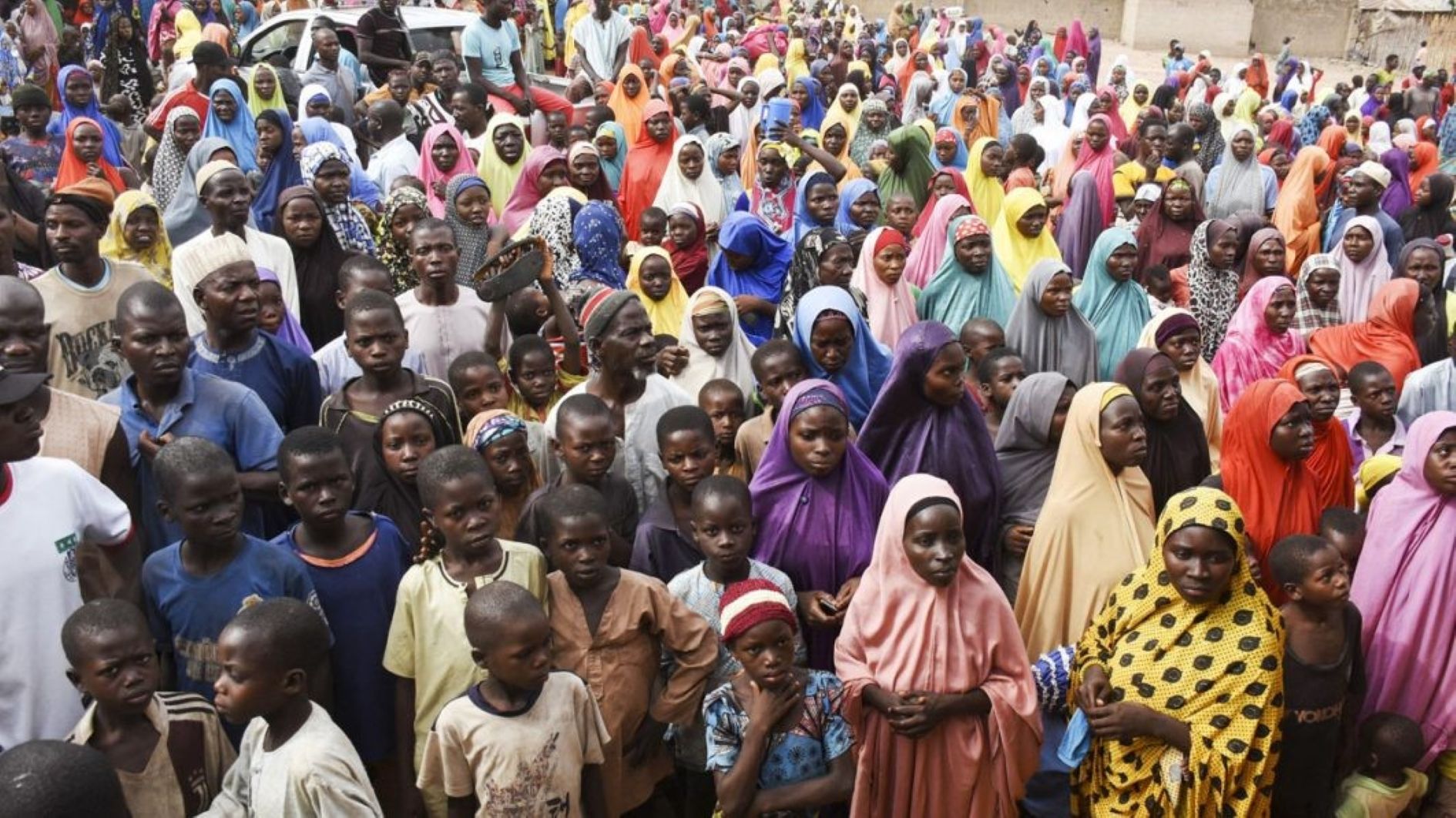
The Save the Children International (SCI) and other humanitarian actors have called for stronger collaboration among governments, humanitarian organisations, development partners, and other stakeholders to address the growing humanitarian crisis in Nigeria.
SCI Country Director, Harvey Duncan, made the call yesterday at the Humanitarian Xchange (HX) Abuja 2026 conference, organised by the Humanitarian Leadership Academy and Save the Children International.

Highlighting some of Nigeria’s humanitarian crises, Duncan said Nigeria was entering the 2026 lean season amid worsening food insecurity, with millions of people expected to face acute hunger and malnutrition.
According to him, the latest Cadre Harmonisé analysis projects that 36.2 million people across 26 states and the Federal Capital Territory (FCT) will experience acute food and nutrition insecurity between June and August 2026.
He disclosed that about two million people are expected to face emergency levels of food insecurity, while over 10,000 people in Borno State could slip into catastrophic conditions without urgent intervention.
Duncan added that children and mothers remain the worst affected by the crisis, as over 758,000 people in Borno State alone are projected to face emergency food insecurity, while malnutrition rates remain critically high in Mobbar, Nganzai and Maiduguri.
He attributed the worsening situation to rising food prices, limited access to healthcare, poor dietary diversity, conflict, displacement and climate-related shocks. According to him, “the humanitarian landscape is becoming increasingly complex.
“Around the world, we are witnessing growing insecurity, escalating conflicts and worsening climate crises. At the same time, global funding cuts are placing enormous pressure on the humanitarian sector, forcing difficult choices at a moment when needs continue to rise.”
Also, the Director of Humanitarian Leadership Academy (HLA), Pawel Mania, said the conference aimed to engage with local organisations that are closer to the marginalised to create space for peer-to-peer learning.
He added that HLA is using Artificial intelligence to support humanitarian actions to ensure that the conversation does not only happen in the Global North but also to ensure AI is used to progress humanitarian work globally.
Meanwhile, SCI’s Director of Programme Operations in Nigeria, Joshua Anar, said children remained the worst affected by the humanitarian crisis, with conflict, displacement and insecurity disrupting their education and overall wellbeing.
Also speaking, the Executive Director of Forward in Action for Education, Poverty and Malnutrition (FESPAM), Dabis Mwalike, expressed concern over the continued decline in humanitarian funding, saying it was affecting response efforts across Nigeria.

