 Follow Us on Google News
 Follow Us on Google Discover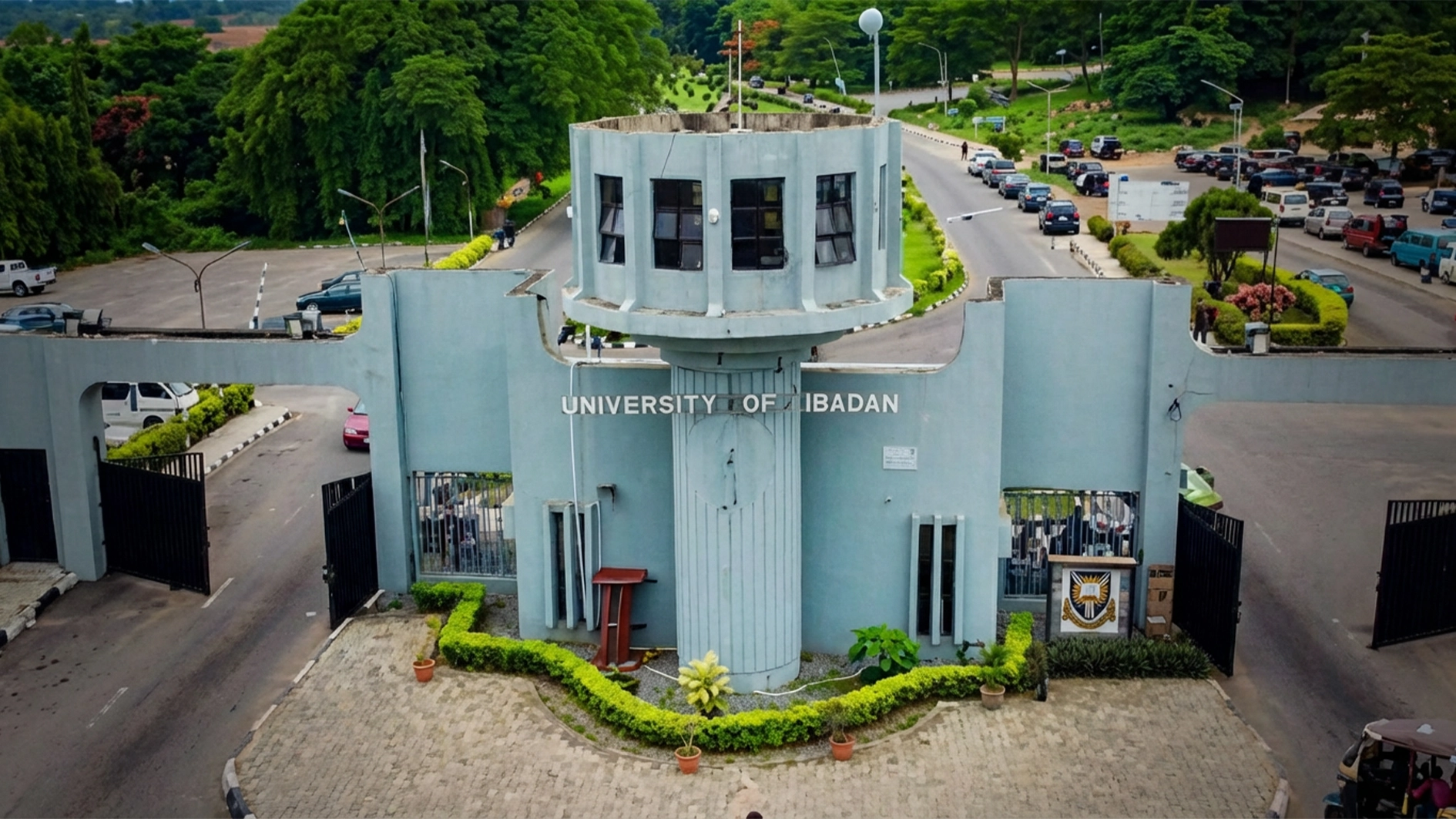
Experts and stakeholders in Nigeria’s energy sector have urged the Federal Government to move beyond policy formulation to effective implementation of reforms, arguing that disciplined execution is critical to unlocking the country’s vast energy potential and driving sustainable economic growth.
The call was made at the Annual Personality Lecture organised by the Centre for Petroleum, Energy Economics and Law (CPEEL), University of Ibadan, with the theme: “Nigeria’s Transition to Competitive Energy Markets: Lessons from Reform and the Road Ahead.”
The lecture, held in honour of renowned energy economist, Professor Akin Iwayemi, attracted academics, policymakers and industry leaders who examined the country’s energy transition and the challenges confronting the sector.
Delivering the keynote lecture, the Chief Financial Officer of Seplat Energy Plc, Mrs Eleanor Adaralegbe, said while Nigeria had recorded significant progress in introducing reforms, greater emphasis should now be placed on implementing policies capable of delivering tangible economic benefits.
“Reform creates opportunities, but execution creates value,” she said, stressing that sound governance, investor confidence and strategic implementation were essential to building a competitive energy market.
According to her, governance inspires confidence, attracts investment and provides the foundation for sustainable growth in the energy sector.
Adaralegbe described natural gas as the engine of Nigeria’s industrialisation, noting that the country’s abundant gas reserves present enormous opportunities to address energy deficits and stimulate economic transformation.
She added that Nigeria’s youthful population, expanding capital market and strategic position in Africa could make the country a leading energy destination if supported by consistent government policies and an enabling investment environment.
The Seplat executive identified increased crude oil production, implementation of the Federal Government’s Decade of Gas initiative and improved investment frameworks as critical to repositioning the sector.
She also called for stronger collaboration among government, industry operators and investors to achieve national objectives in electricity generation, gas utilisation and industrial development.
Speaking at the event, the Vice-Chancellor of the University of Ibadan, Professor Kayode Adebowale, represented by the Dean of the Faculty of Multidisciplinary Studies, Professor Peter Obutte, described the lecture as an important platform for advancing national conversations on energy development.
Chairman of the occasion, Emeritus Professor Uche Isiugo-Abanihe, expressed concern over Nigeria’s persistent electricity challenges despite its abundant natural and human resources.
He urged policymakers to translate recommendations from academic and industry engagements into practical solutions capable of addressing the country’s energy challenges.
“We must ensure that the ideas generated from academic and industry discussions do not remain on paper but are translated into practical solutions that can reach policymakers and relevant government agencies,” he said.
Isiugo-Abanihe also warned that failure to harness the potential of Nigeria’s growing youth population could worsen the country’s socio-economic challenges.
Earlier, Director of CPEEL, Professor Olugbenga Falode, said the annual lecture was instituted to celebrate distinguished individuals whose contributions had advanced scholarship, leadership and national development.
He described Professor Iwayemi as an accomplished scholar whose impact transcended Nigeria through decades of research, teaching and mentorship.
Falode noted that despite Nigeria’s enormous oil and gas resources, the country continues to grapple with an unreliable electricity supply, high energy poverty.
According to him, addressing these challenges requires collaboration among engineers, economists, lawyers, policymakers and industry practitioners, adding that CPEEL remains committed to promoting research, policy engagement and partnerships that support sustainable energy development.

