GDN SIDEBAR
It is one thing to have the talent to create art. It is another to understand how to sell it and turn that creativity into income.
Beyond creating the work, artists must find buyers, set prices, market themselves and manage clients. They must also build enough visibility and trust to attract collectors.
For emerging Nigerian artists, learning these skills can determine whether art remains a passion or grows into a sustainable career.
In an interview with Guardian Life, visual artist Praise Agunbiade, better known as MasterArt, said making money from art requires more than creative ability.
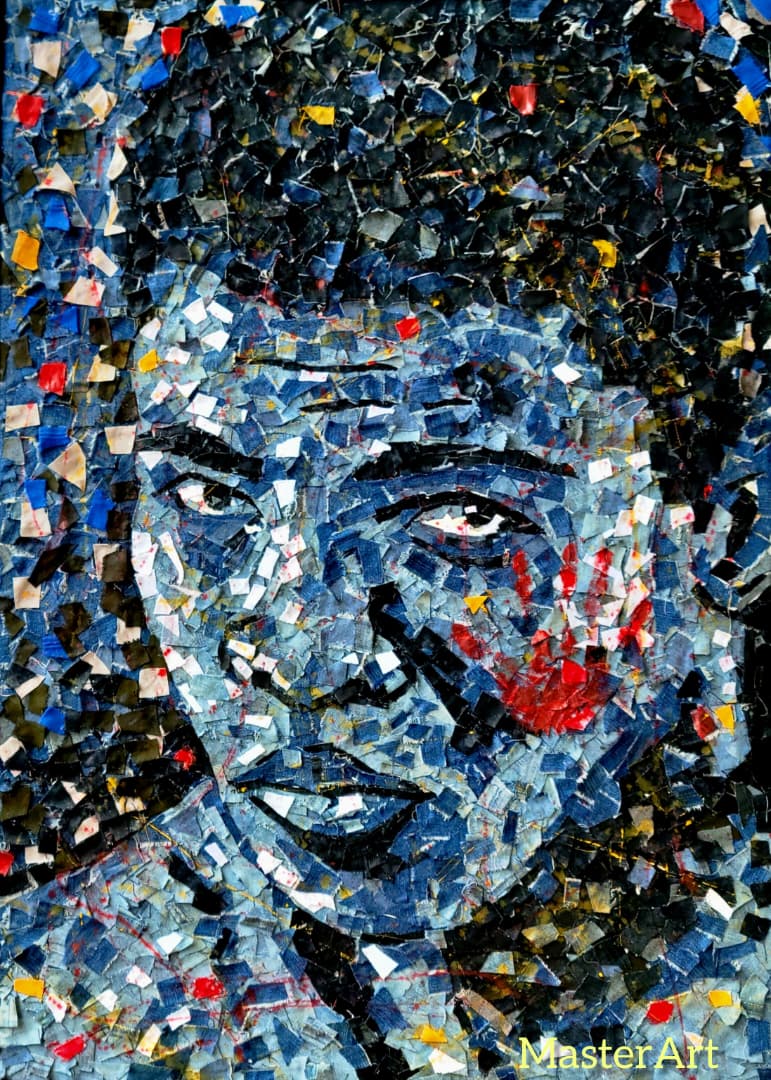
Agunbiade creates paintings and denim artworks that explore human emotions, personal experiences and social realities.
“Making money from art takes more than talent. It requires consistency, visibility, strong storytelling, networking and treating your art as a business,” he said.

According to him, artists must build an audience, create value and actively promote their work.
Building a distinct identity
Working with denim has helped Agunbiade develop a recognisable style and reach a wider audience.
“Denim art has helped me stand out and reach a wider audience,” he said.
“It gives my work a unique identity and creates opportunities for exhibitions, collaborations, commissions and conversations around sustainability and innovation in art.”
However, developing a distinct style is only one part of building a lasting career.
Agunbiade said maintaining consistency while waiting for recognition and steady income remains a major challenge.
“It takes time to gain trust, attract collectors and create a steady income,” he said.
“Artists must keep creating, learning and promoting their work even when results are not immediate.”
Finding collectors online
For artist and curator Abdulwaduud Afolabi, also known as MrWaduud, social media has become an important part of finding buyers.
“Social media has been very instrumental in helping me find collectors and clients, not just for my own work, but for the work of other artists I share as well,” he said.
Afolabi said he had connected with potential collectors within and outside Nigeria through social media.
Some commissioned him or bought his work, while others collected pieces from artists he had promoted on his platforms.
Instagram has been particularly useful to him. However, one of his most surprising encounters came through TikTok, where a collector in Australia discovered his work and expressed interest.
His experience also reflects the role artists can play in creating visibility for one another online.
As a curator, Afolabi does not use his platform only to promote his work. He also introduces his audience to other artists and helps their work reach potential buyers.
Treating art as a business
Afolabi said many people still regard art as a passion project rather than a profession.
“One of the biggest misconceptions is that many people see art as merely a passion project rather than a profession,” he said.
He added that this belief was not limited to the public. Some artists Some also struggle to treat their practice with the structure needed to build a sustainable career.
For Afolabi, the business of art covers every part of an artist’s relationship with clients and collectors.
This includes how artists present themselves online, respond to new clients, negotiate, manage commissions and deliver completed work.
Artists also need knowledge of pricing, contracts, documentation, intellectual property and business communication.
Afolabi said these skills were important because they could help artists protect themselves and avoid unfair agreements.
He now uses his platform to discuss the early stages of building an art career and the business lessons emerging artists need.
He believes better knowledge of pricing, negotiation, contracts and client management will reduce the chances of artists being exploited.
Learning through experience
Digital artist John Ayoola said joining a studio helped him understand how art could move from a passion to a business.
“I think what helped me move from passion to business was joining a studio and seeing how they operate,” he said.
John said gaining access to the right tools and knowledge was difficult, especially for young artists.
Digital artists need internet data and other resources to access learning materials, including those available online for free.
Although John no longer works only in art, he said it remains his major source of income.
Information and infrastructure
Beyond individual effort, Afolabi believes emerging artists need two major forms of support: access to information and infrastructure.
He said many artists complete their university education without enough knowledge of the business systems needed to build and protect their careers.
Some do not know how to price their work, negotiate contracts, document their practice or protect their intellectual property.
Others lack information about exhibitions, galleries, residencies, grants, mentorship and potential collectors.
“Talent alone is not enough,” Afolabi said.
“There are many incredibly talented artists who remain unseen because they lack access to the right information, networks and opportunities.”
He identified affordable studio spaces, reliable production facilities, funding opportunities and stronger institutional support as some of the resources artists need.
According to him, Nigeria’s art sector cannot continue to depend solely on the efforts of individual artists.
He also stressed the importance of community, noting that artists benefit when they share knowledge, resources and opportunities.
The experiences of Agunbiade, Afolabi and John show that creating good art is only one part of building a career.
Artists must also understand how to position their work, connect with buyers, manage professional relationships and build the structures needed to earn from their creativity.