
GDN SIDEBAR
When Lagos Polo Club travelled to England to play Guards Polo Club, Tunji Bada went along to introduce us to the sport of kings.
Polo is like playing golf in a Ferrari.
I wonder if this simile is true and whether polo is beginner-friendly. To find an answer, I am about to watch the Unity Cup match between Guards Polo Club and Lagos Polo Club in the picturesque Great Windsor Park, near Windsor Castle in Berkshire, England.
As the players prepare to play by donning their knee pads and boots, this is a great time to find out about the basics of polo.
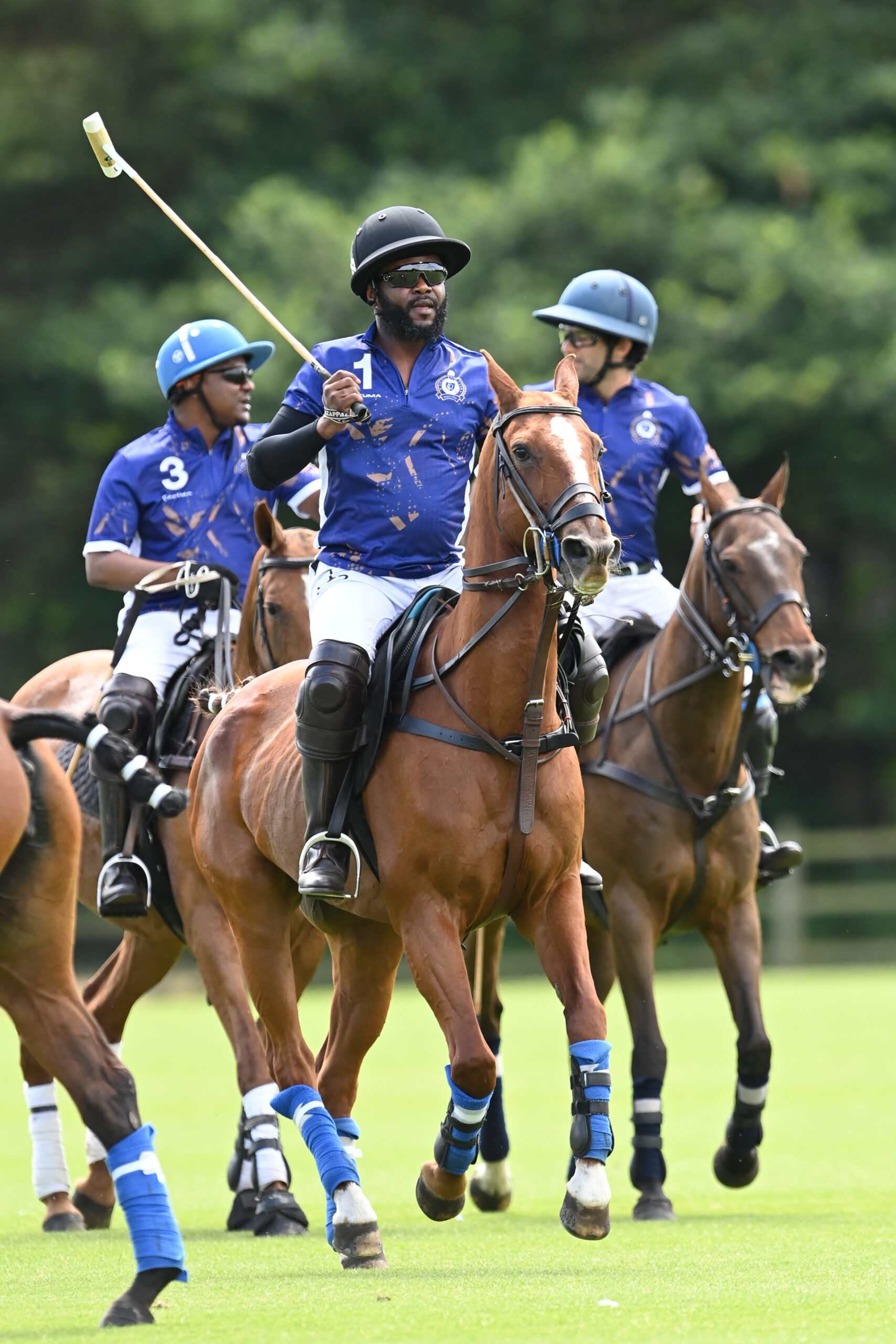
Like football, the aim is to score a goal by hitting a ball between two posts. Unlike football, you have to hit the ball with a stick with your right hand while riding a horse that can gallop at 30 to 35 miles per hour (mph), which is about 48 to 56 kilometres per hour (km/h)
There are other rules of note.

This includes swapping sides every time a goal is scored to allow each team to experience the different ground and weather conditions on each side. For example, one side might be slanted, be windier, or have more direct sunlight. This ensures no team has an unfair advantage.
Polo players also swap horses at least every seven minutes and 30 seconds to prevent exhaustion. Horse care is paramount in polo. The seven minutes and 30 seconds of playing time is called a chukka. The name derives from the Hindi language in India.
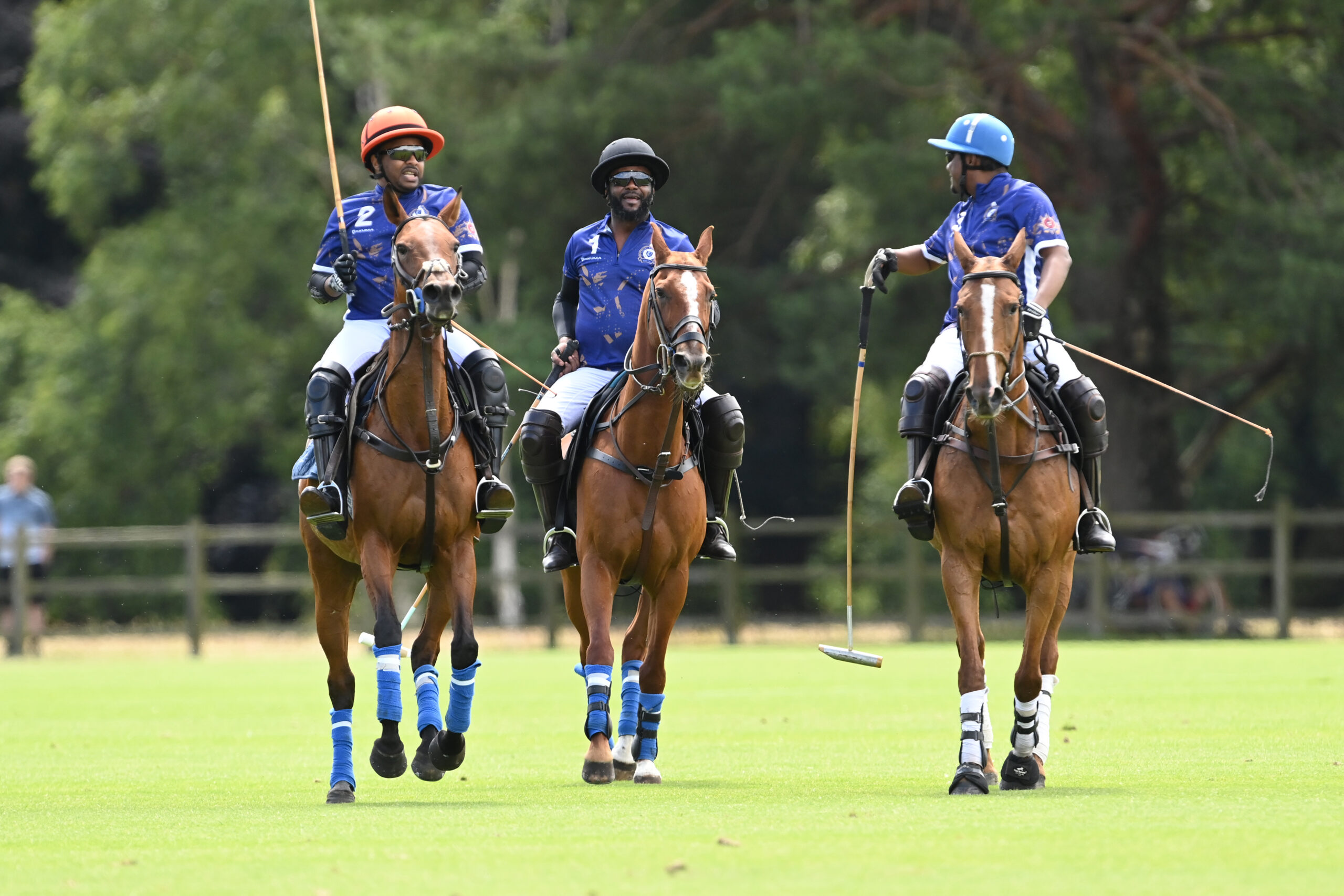
Highly competitive matches can have six to eight chukkas, but friendly tournaments like today’s match can have only four chukkas. Speaking of which, Lagos Polo Club lost the first chukka and is currently making a comeback in the second chukka.
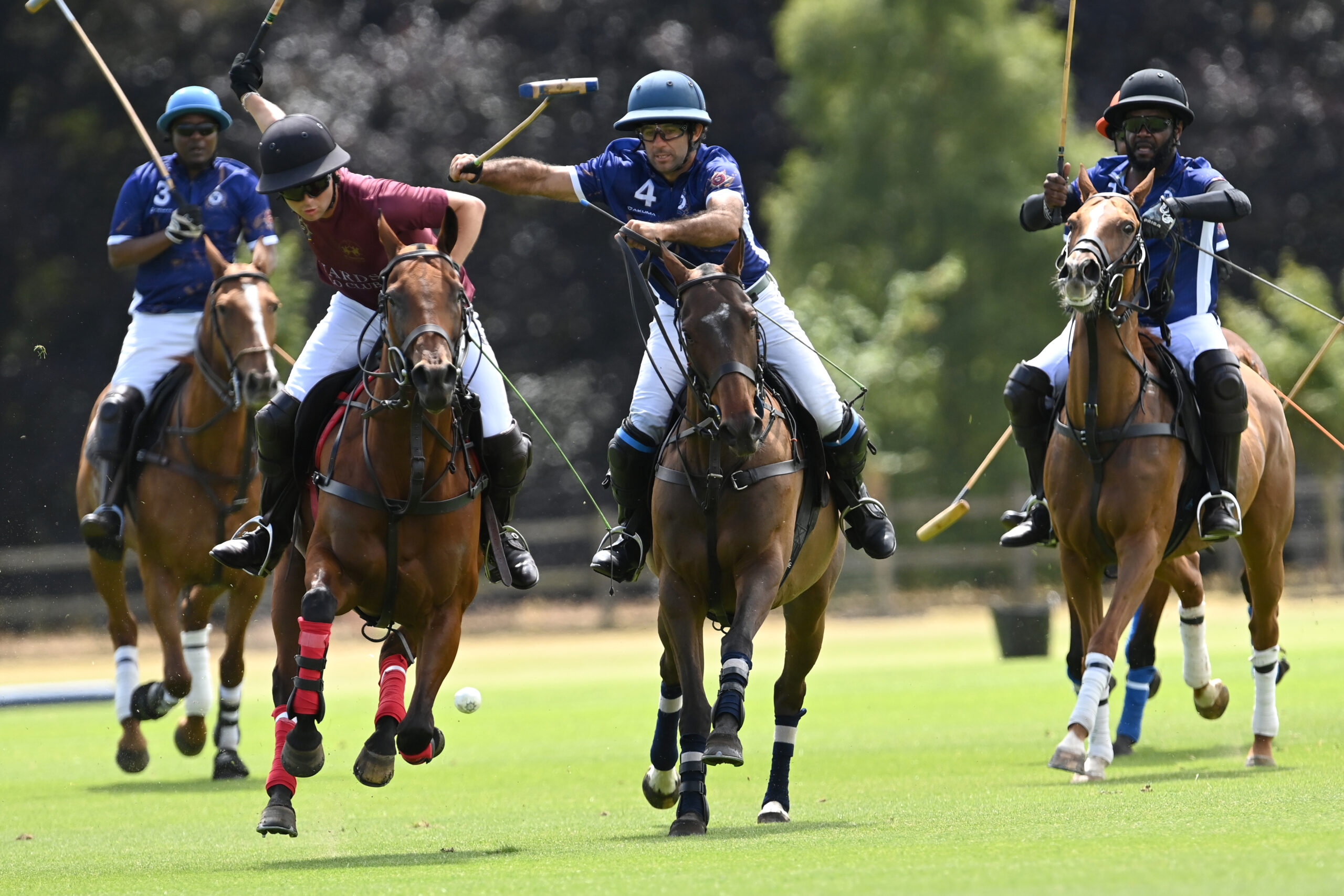
The numbers on the players’ shirts state their position on the polo field. There are only four players at a time. The number one focuses on scoring, like a striker in football. Number 2 is the offensive playmaker. The tactical leader is number three, who calls out instructions to other players. Finally, the number four is like the defender and goalkeeper in one.
It is now halftime, which means the polo tradition of stomping the divots. This is when spectators walk onto the field and press back the grass and dirt torn up by the horses’ hooves. On a practical level, it prepares the field for the second half, but it’s also an opportunity to pose and take pictures for IG and WhatsApp friends.
As the Tod’s loafers and Chanel pumps push back the turf, I wonder if anyone knows that polo is the oldest team sport in recorded history.
The oldest team sport
It was first played about 2500 years ago (around the 6th century BCE) by nomadic tribesmen in Persia, modern-day Iran. Persian kings, noblemen, and elite cavalry units adopted it as military training exercises to keep both horses and warriors combat-ready.
During the 1850s, British tea planters and cavalry officers learnt about polo from Manipuri tribesmen in the Assam region. They brought the game to England and played the first official match in 1870.
Modern polo was born in 1875 when rules were established via London’s Hurlingham Polo Association. From there, it spread across the world, including Nigeria, where Lagos Polo Club was founded in 1904. This makes the Lagos Polo Club 51 years older than Guards Polo Club, which was founded in 1955 by Queen Elizabeth II.
Guards and Lagos Polo Club friendship
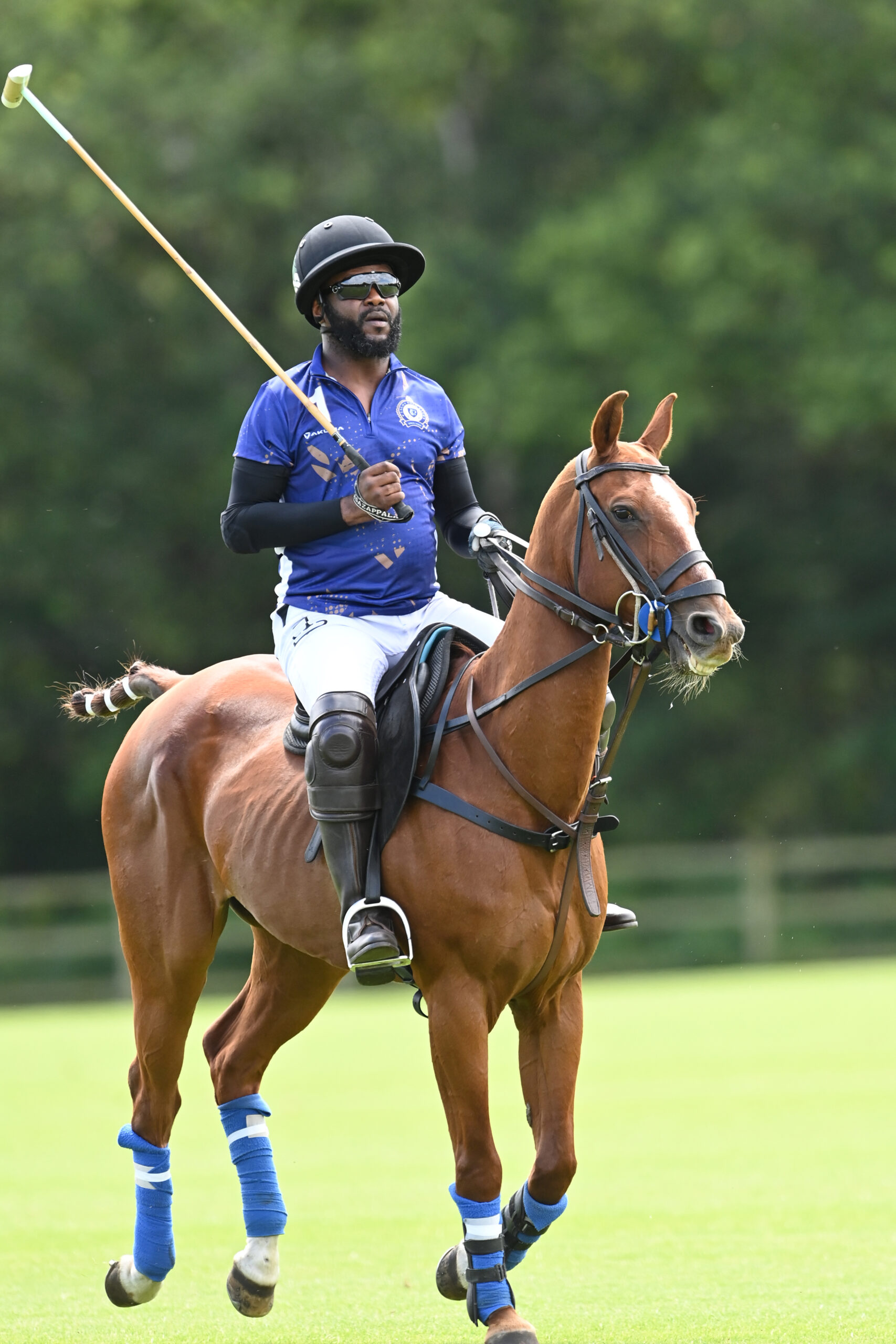
The relationship between the two is one of camaraderie as they view themselves as part of the same global polo family. However, the matches are still competitive, with Lagos having just won 6-5. The Unity Cup flies to Nigeria for the first time since its inauguration in 2024.
This is an impressive achievement, but why would Lagos Polo Club fly 3000 miles to play at Guards? A response came from Adeyemo Alakija, President, Lagos Polo Club.
“We are not just playing a match. We are taking a rich, decades-old Nigerian polo tradition to the global stage. ‘The LPC Goes to England’ is a celebration of our club’s growth, the incredible talent of our players, and the enduring, global appeal of the sport of kings.

”The Lagos Polo Club has always been more than just a sports venue; it is a custodian of heritage, a community of passionate sportsmanship, and a vibrant symbol of Nigerian excellence.”
Back on the field, it is time to present the trophies with Hollywood actor Djimon Hounsou shaking hands with the victorious Lagos players, who include: Seyi Tinubu, Usman Dantata, Bashir Dantata, Lorenzo Larumba, with Ope Oyinlola and Khalifa Dangote as substitutes.
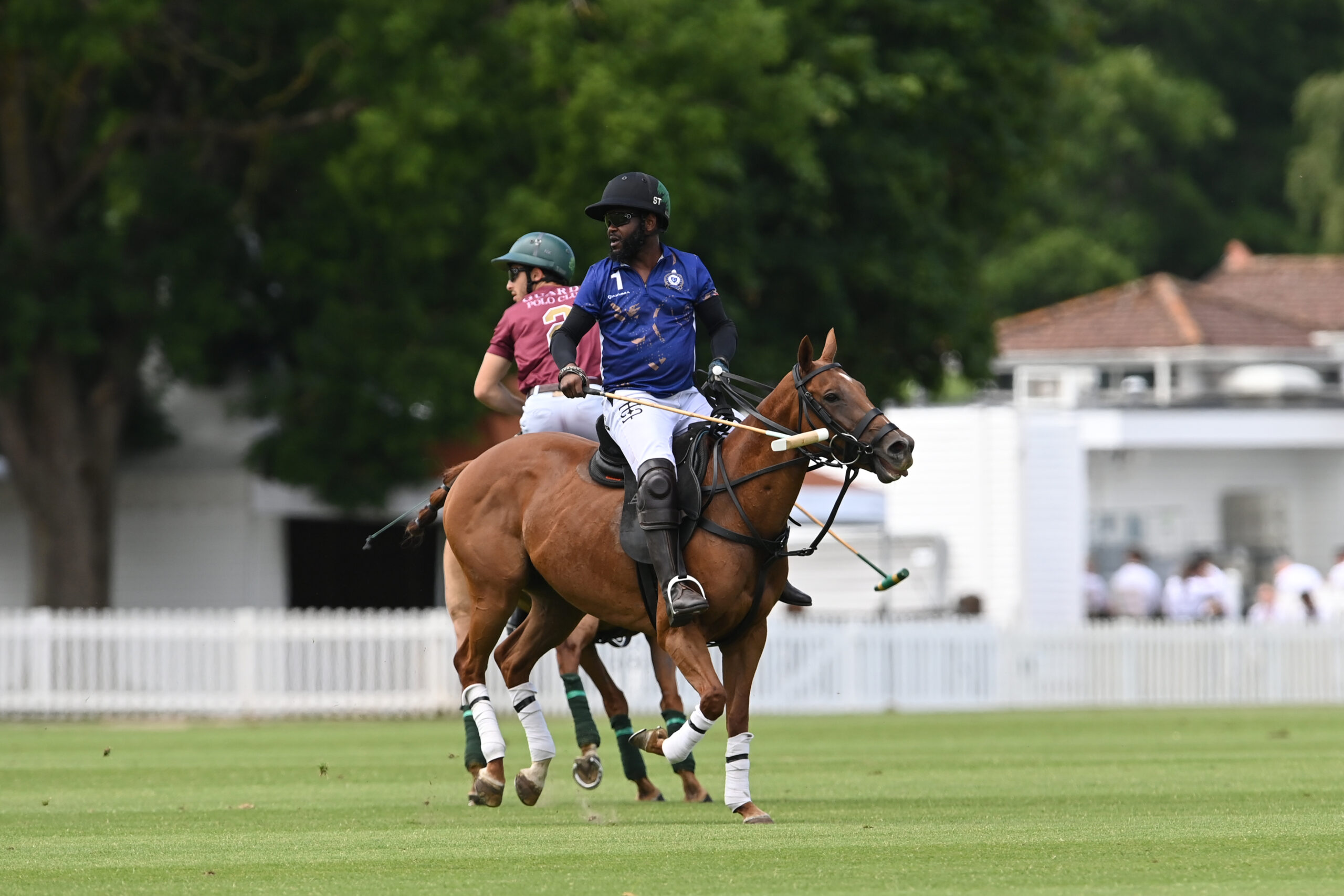
Advice for beginners
I spot Bashir Dantata and ask him for advice for beginners.
“Start easy and allow polo to take its course naturally. Don’t rush it. I would say for any beginner, before you hold any stick, make sure you learn how to ride for at least two years. This is important because polo is not an accident-free sport. You need to build confidence and connection with the animal. Some will tell you to do it in six months or one year, but most people who do it in that time never progress past a certain level. You want to be very comfortable on the horse before you take the stick. That’s my personal opinion.”
The academy at Lagos Polo Club is one place to start learning.
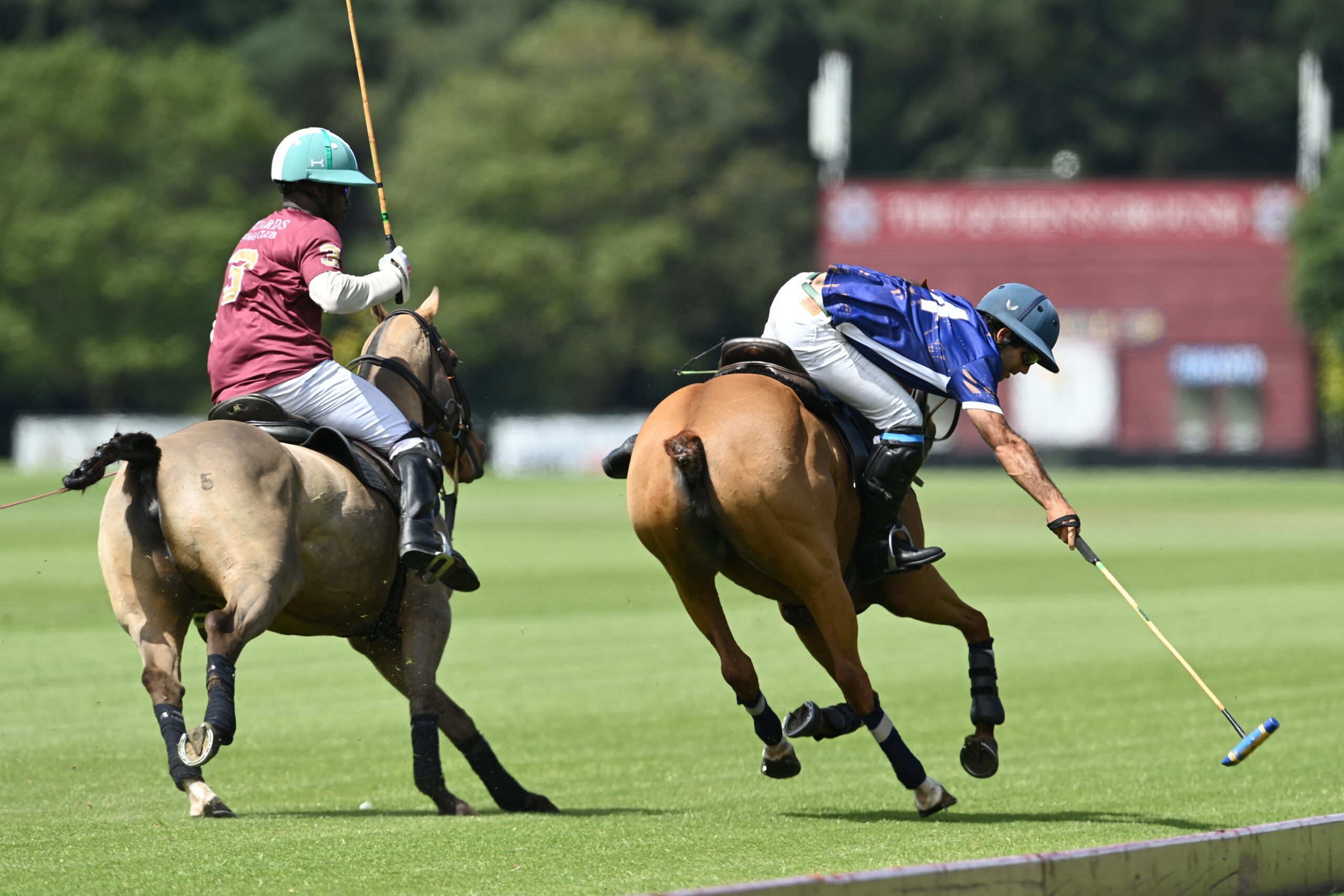
Women players
With regards to women players, Honorary Secretary Yemi Oreagba was very positive and encouraging. “We have a few women members and some women-centric tournaments, including the Ladies Invitational, an international women’s tournament where ladies from all over come to play in Lagos. We need to get women involved and developing in the sport.”
The cost
Polo is expensive, but you can play to your level. If you own horses, then the maintenance of the horses is the primary expense. They need care all year-round: grooms, vets, stabling, insurance, and travel. But you don’t have to own horses to play. You can rent them for between N50,000 and N100,000 per chukka.
You can also simply watch a game and bring your friends, partners, and family. Some matches are free, and there are family days where kids can play. People assume it’s exclusive, but it is open and friendly.
If it costs so much and there are safety and horse welfare considerations, then why play?
“Polo is like Pringles. Once you start, you can’t stop,” jokes Hadi Sirika, former aviation minister. ”The adrenaline, the speed, the thought processes, and the game. You enjoy yourself. You love the animals; you care for them. They’re like your babies.”
The unexpected benefits
I did not know polo could be so addictive, so I asked Mr Sirika if there are any unexpected benefits.
“For me, social contact is one. Two, the physical fitness it provides, and the ecstasy and pleasure. More importantly, you create a community where you interact with people and benefit socially. You also create contacts and businesses on the pitch and after polo.
“Polo opens doors. My groom is from a humble background. His first flight was on the presidential jet. He has since travelled to Malaysia, Argentina, Dubai, England, South Africa, and many other places.
I dined with Xi Jinping, the late Queen of England, and in the White House, but the most lavish dinner I’ve ever seen was in Morocco. We walked 350 meters on a silk carpet with gold threads and entered the hall where the food is served. There were a thousand people, and we had a 14-course meal in a serene atmosphere. Everyone was a minister, a head of government, or a king. I sat there with my groom, who was raised from a humble background, dining next to the king because of polo. That’s what polo offers: a passport to the world.”
So is polo really like playing golf in a Ferrari?
“This is more than accurate,” says Honorary Secretary Yemi Oreagba. “There is no better feeling than being on a horse cantering at thirty or forty miles an hour. Even if you’re not going to play polo, experiencing that is one of the greatest things ever. If you can get involved with polo in any way, it will open up opportunities to see the world. Horses and polo are a passport to the world.”
Polo is not just for kings. It’s for everyone, but know your level. You can play, watch, and enjoy the rosé and suya at the Lagos Polo Club.
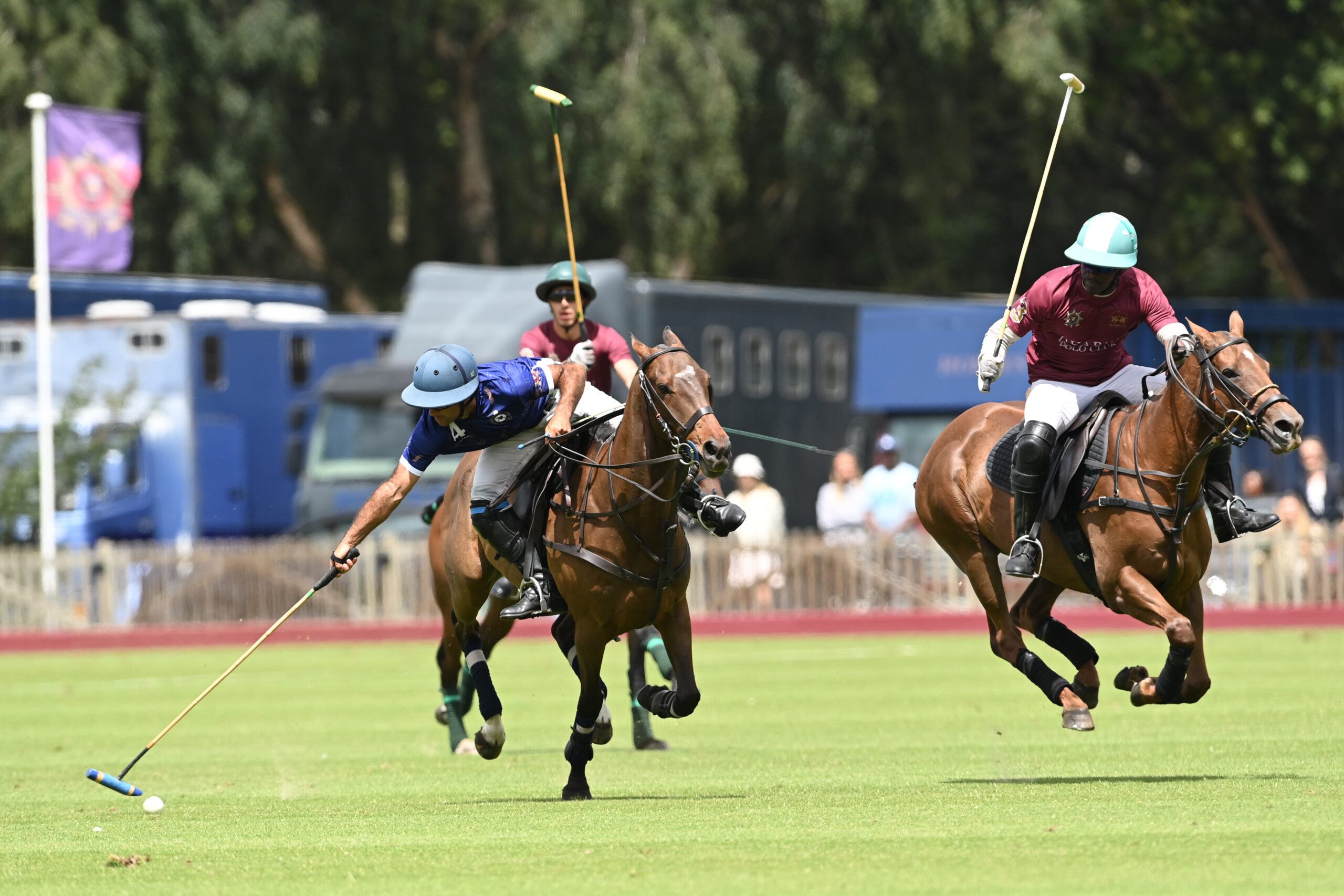
A Beginner’s Guide to Polo Spectating
Polo is as much a competitive sport as it is a social occasion. Here are some insights to get the most out of your time.
- The Vibe is Elevated Casual
- The atmosphere is welcoming, social, and deeply appreciative of good horsemanship
- Dress Code
- Avoid high heels; they will sink into the grass
- Go for comfort and elegance: flats, wedges, and loafers
- Sundresses, tailored linen, smart chinos, blazers, and smart t-shirts, comfortable traditional clothes are fine
- Skip the heavily branded sportswear, gym clothing, or ripped jeans
- Participate in the Divot Stomp
- Walk onto the field during the halftime interval and stomp the torn-up patches of turf (divots) till it’s flat
- It is a classic social tradition and an easy way to mingle and take photos
- Matchday Behaviour Basics
- Stay alert and look out for runaway balls or horses near the sidelines
- Keep noise respectful and avoid booing the players or horses
- Applaud great defensive plays, not just the goals
- Lagos Polo season
- Lagos polo season runs from September to April
- To continue playing, you can join the European polo season, which runs from April to September
- Contact the club, check their website and Instagram for match days
Core Rules and Gameplay
- Teams: Each team has four players on the field
- Player Positions:
- Number 1: Attacker/forward, focuses on scoring
- Number 2: Offensive playmaker, aggressive runner
- Number 3: Tactical leader, moving play from defence to attack
- Number 4: Primary defender, guards the goal
Player Ratings: Players are rated on a scale of -2 to 10 goals based on horsemanship, team play, and hitting ability. A 10-goal rating is exceptionally rare
Team Handicap: The individual handicaps of the four players are added together to get the team’s total rating (e.g a 2, 6, or 22-goal tournament)
- Duration: The teams play for 7 minutes and 30 seconds in periods called chukkas. There can be 4,6 or 8 chukkas in a game depending on the competitiveness of the match.
- The Field: The game is played on a grass field that measures 300 yards/ 273m long by 160 yards/146m wide (roughly the size of nine football fields)
- Scoring: Players hit a small plastic ball through goalposts. Teams switch ends after every single goal scored to account for different wind and field conditions at each end.

Horse care and safety
- Horse Care is primary: A player uses a different horse for each chukka to prevent exhaustion. A single horse can usually play up to two chukkas in a match.
- Safety Gear: Players must wear a protective helmet, tall leather boots, and thick leather knee guards. The horses’ legs are wrapped in bandages (polo wraps) to prevent impact injuries.
- Polo Ponies: Though called ponies, they are actually full-sized horses bred for speed, agility, and stamina. Ponies were originally used, and the name stuck.
- Mallet: Made of a flexible bamboo shaft and a hardwood head. Players must hold the mallet in their right hand for safety reasons; left-handed playing was banned in 1975.
5 Steps to learn polo
You can join the polo academy at Lagos Polo Club or even learn in UK, Spain, and Argentina. Here are some basics
- 1. Learn to ride a horse without holding a mallet. Focus on balance, guiding with one hand, and using your legs.
- 2. Practice four basic swings on a wooden horse at a club. You can also practice walking and hitting the ball across the grass.
- 3. Practice hitting the ball on a real horse, master the swing, and do not hit with power
- 4. Safety is paramount, so learn the “Line of the ball” safety rules to prevent dangerous collisions
- 5. Play Your First Instructional Match with a coach on the field