 Follow Us on Google News
 Follow Us on Google Discover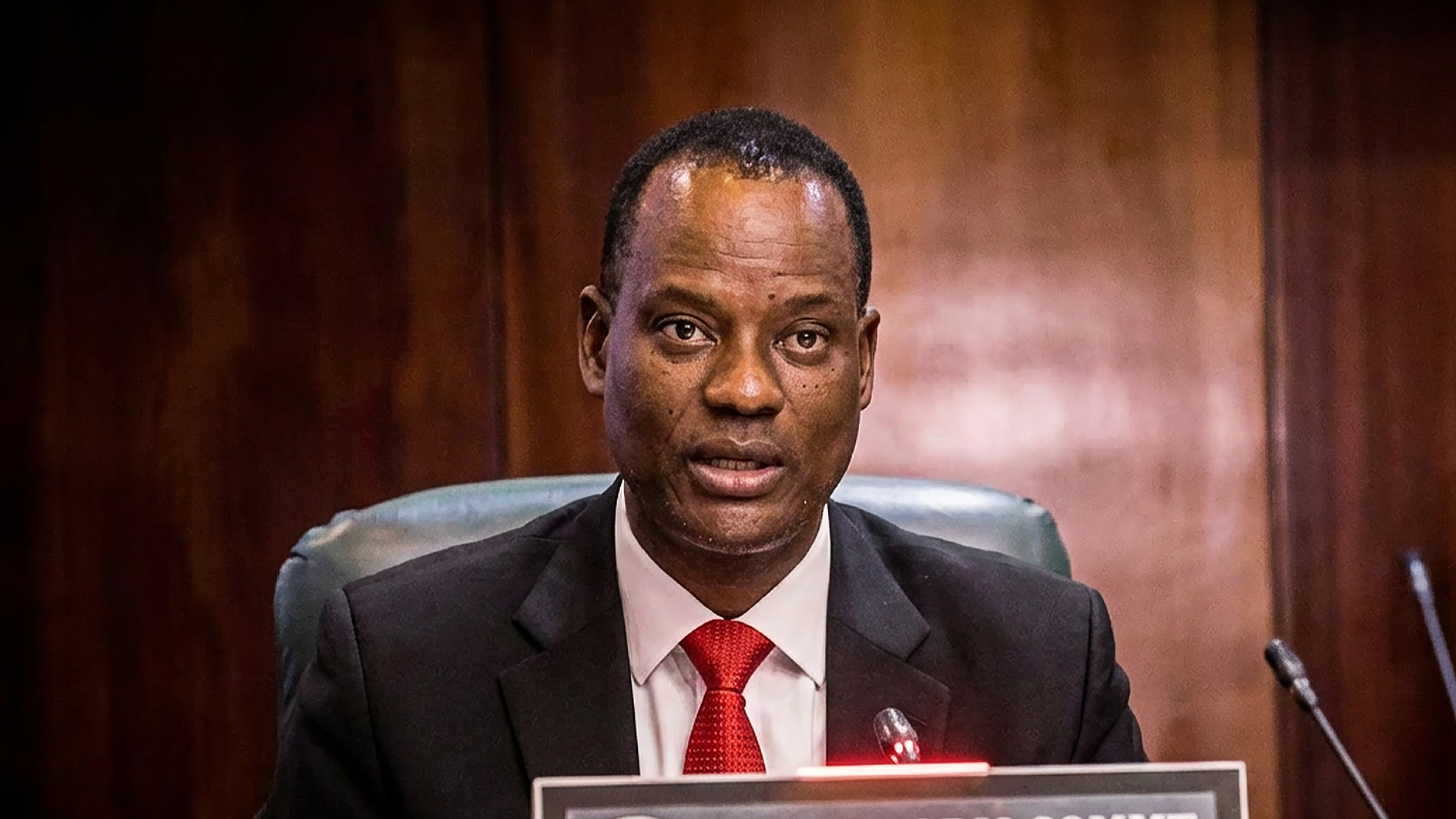
A coalition of civil society groups, the Economic and Fiscal Justice Coalition (EFJC), has warned that the economic reforms of the current administration would not make any sense unless they lift the citizens out of poverty.
EFJC stated this in a position paper it presented to the Minister of Finance and Coordinating Minister of the Economy, Taiwo Oyedele, during a meeting in Abuja.
The group, comprising the Centre for Social Justice (CSJ), ActionAid Nigeria (AAN), Paradigm Leadership Support Initiative (PLSI) and Statecraft, also challenged the Federal Government to redefine the success of Tinubu’s economic reforms by its ability to reduce poverty rather than celebrating macroeconomic indicators, cut the cost of governance and make transparency, not revenue growth, the benchmark of success.
While acknowledging the difficult policy choices that have confronted the current administration over the past three years, the group said survival remains profoundly difficult for millions of Nigerians.
“For the average Nigerian family, economic reforms are not judged by exchange rate movements, sovereign credit ratings or fiscal balances. “They are judged by whether food is affordable, whether transport costs have fallen, whether decent jobs are available, whether children can remain in school, whether small businesses can survive, and whether hope for a better future has returned,” he said.
It noted that this divergence between improving macroeconomic indicators and deteriorating household welfare is perhaps Nigeria’s greatest economic policy challenge today.

It noted that Nigeria faces what development economists describe as exclusive growth.
For accountability and transparency, the group called for the President’s assent to the Federal Audit Service Bill, insisting that it introduces institutional independence, expands the audit scope, strengthens enforcement powers, and aligns Nigeria’s audit framework with international standards.
“Its assent is critical to improving fiscal discipline, reducing corruption, and enhancing public sector performance,” it said.
The group requested, among other things, publication of all budget implementation reports (BIRs) within statutory timelines; public disclosure of subsidy savings and their utilisation, open access to debt information, including project-level financing; citizen-friendly fiscal dashboards, among others.
They charged the Federal Government should stop signing oil and gas sector contracts or any commercial contracts containing secrecy and non-disclosure clauses, reduce the cost of governance and borrow only for productive projects.

