 Follow Us on Google News


 Follow Us on Google Discover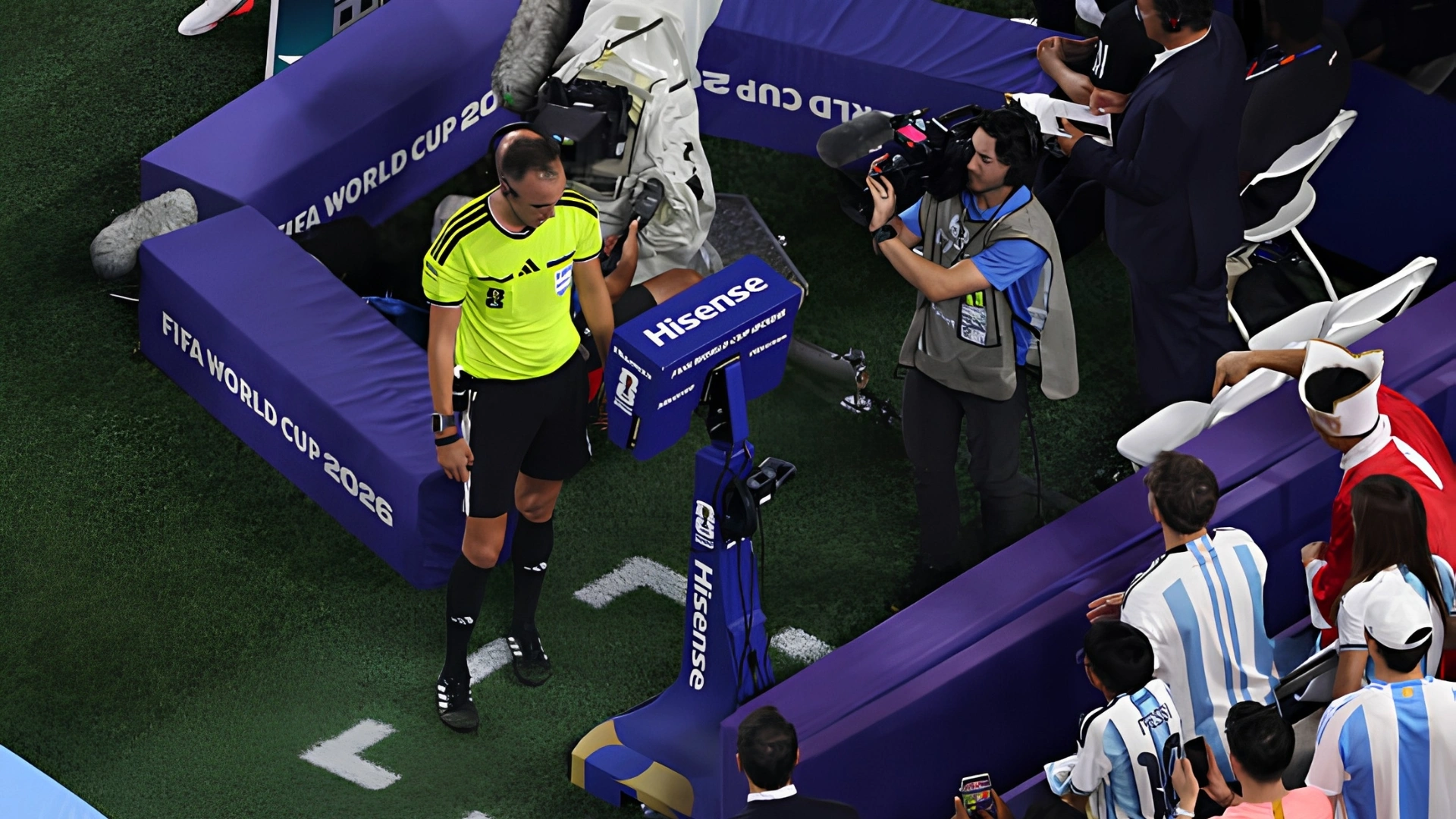
The World Cup has reached its semi-final stage with four elite teams still standing, but also with uncomfortable questions following it into the final week. France, Spain, England and Argentina have earned their places on the pitch. FIFA must now make sure the conversation around the biggest matches is not swallowed by doubts over process, technology and trust.
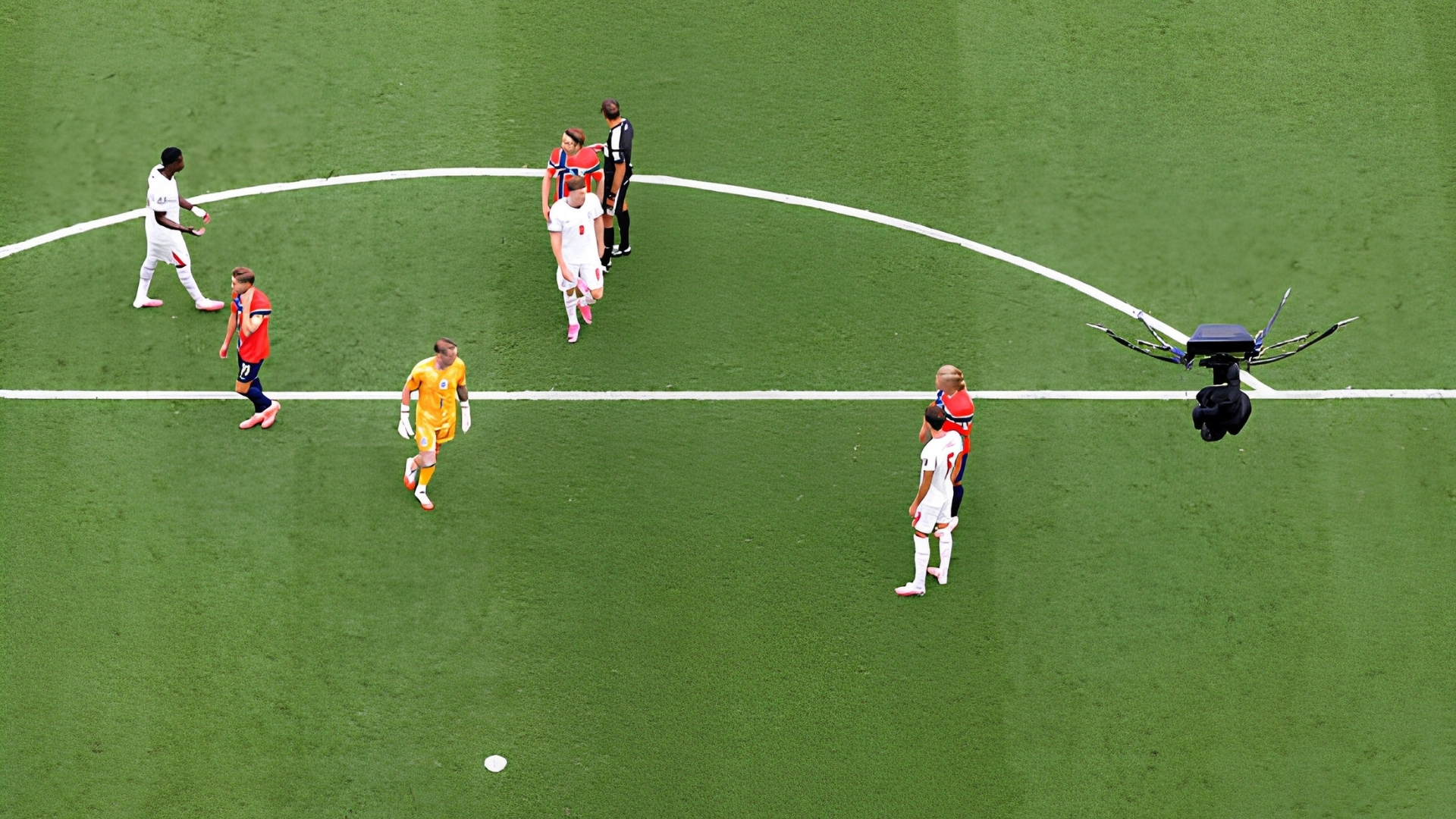
Recent knockout matches have produced more than drama. England’s quarter-final win over Norway came with Norwegian complaints about whether a camera cable affected the passage of play before Jude Bellingham’s equaliser. FIFA denied that the ball had struck the cable, but the controversy lingered because the moment came in a match of enormous consequence.
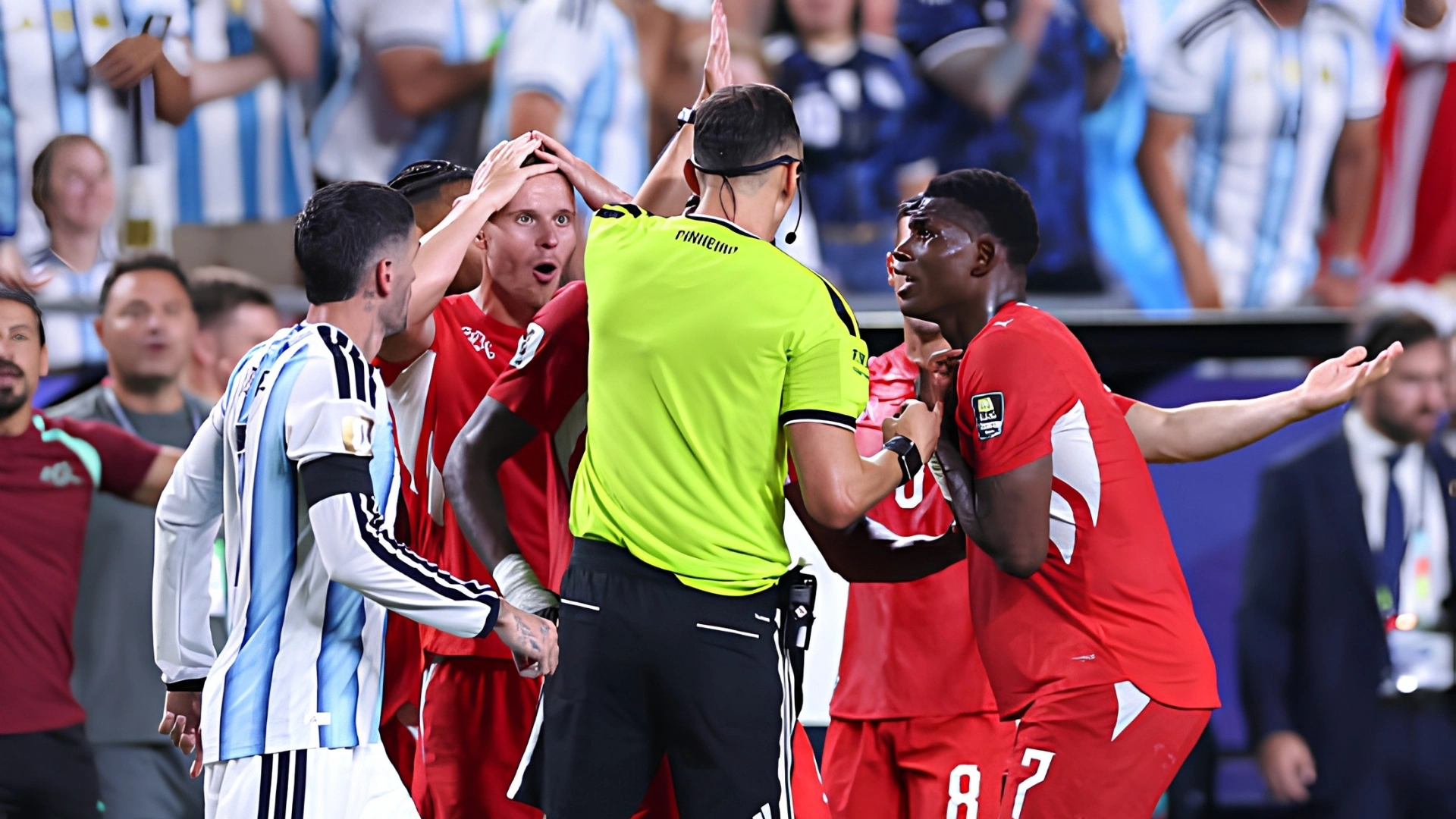
Argentina’s win over Switzerland also carried debate, with Swiss anger around Breel Embolo’s red card after a contentious VAR process. Whether one agrees with the final decision or not, the wider issue is clear: at this stage of the World Cup, decisions must not only be correct. They must be seen to be clearly and transparently handled.
Football can survive controversy. It always has. What it cannot afford is confusion that makes supporters doubt the integrity of the process. VAR – short for Video Assistant Referee – was introduced to reduce obvious errors, but it has also created a new problem. When decisions take too long, when explanations are unclear, or when fans cannot understand what has been reviewed, suspicion fills the space.
That suspicion becomes more dangerous in knockout football. A group-stage controversy may be softened by later matches. A semi-final or quarter-final controversy can define a campaign. For Norway, the feeling of injustice will not disappear because FIFA has issued a denial. For Switzerland, the anger around the red card to Breel Embolo in their quarter-final loss to Argentina becomes part of the story of their exit. The same goes for Egypt, following their dramatic 3-2 World Cup round of 16 defeat by Argentina.
This is why communication matters. Refereeing teams and tournament organisers need to explain major decisions in a way that respects the audience. Supporters do not need every technical detail, but they deserve clarity on what was checked, what was seen and why the final decision was made.

The semi-finals need cleaner narratives
France versus Spain and England against Argentina are strong enough as football matches. They do not need controversy to sell them. One is a tactical meeting of power and control. The other carries history, Lionel Messi, Jude Bellingham and one of the World Cup’s great rivalries. The tournament should be preparing for football, not arguments over whether the process can be trusted.
For betting markets, these controversies also matter. Major refereeing decisions can move matches, prices and public confidence. A red card, disallowed goal or technical interruption can change not only the result but the way supporters interpret fairness. That is why responsible coverage must treat governance as part of the football story.
Fans understand the emotional cost of disputed decisions. Across African football, arguments about officiating often outlive the matches themselves. At World Cup level, the standards must be higher because the consequences are global.
FIFA cannot remove all controversy from football. No system can. But it can reduce confusion. It can improve communication. It can make VAR explanations faster, clearer and more consistent. It can ensure technology supports the game rather than becoming the story.
The final week of a World Cup should belong to the players. Messi, Bellingham, Kylian Mbappé, Spain’s midfield and the remaining managers have given the tournament enough narrative power. FIFA’s job is to protect the stage, not crowd it.
At this point, credibility is not a side issue. It is part of the competition. The world is watching not only who wins, but how the winning is allowed to happen.

