 Follow Us on Google News
 Follow Us on Google Discover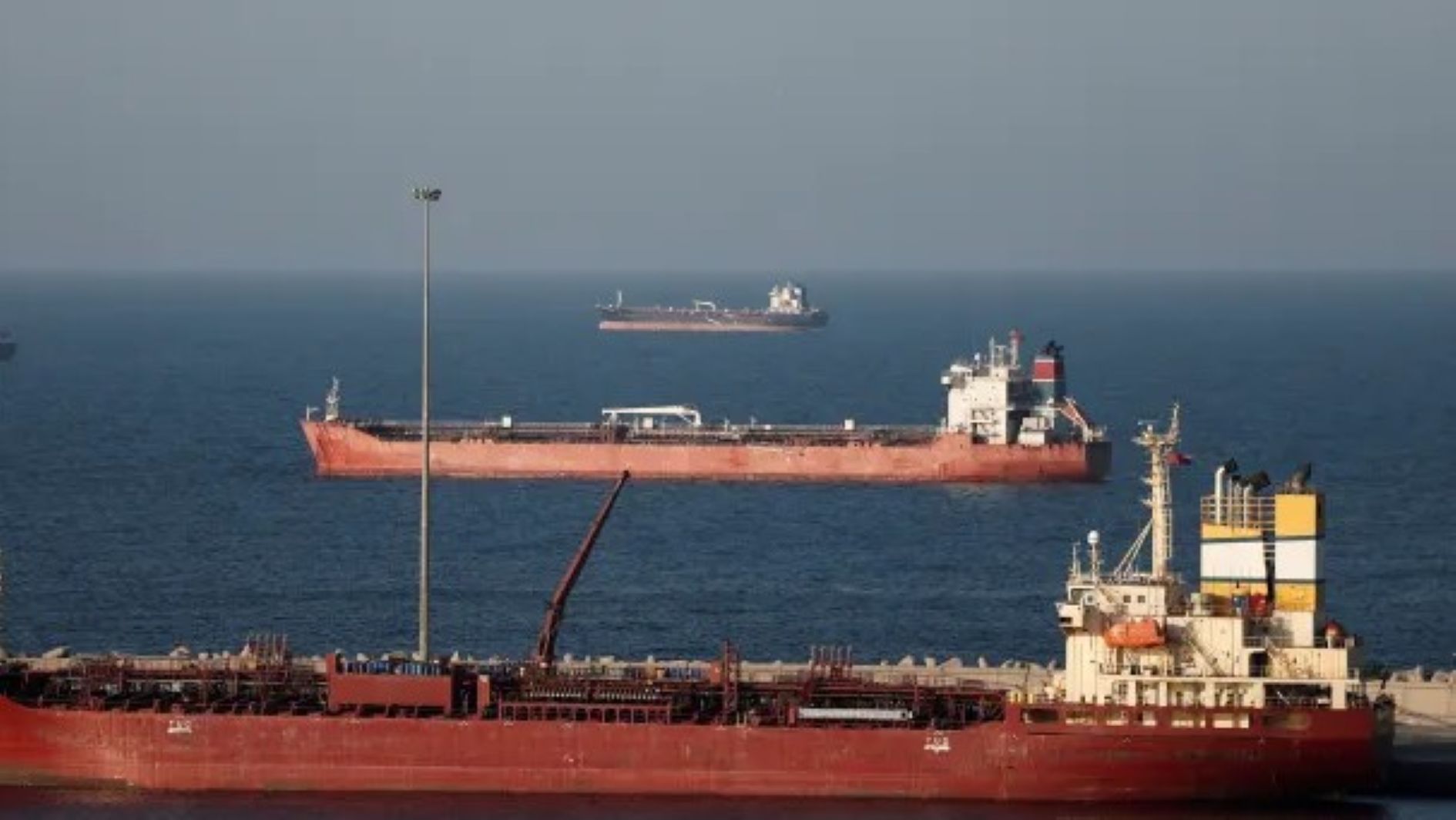
Nigeria is among the African countries likely to feel the impact of disruptions to global fertiliser trade caused by the conflict in the Persian Gulf, the World Trade Organisation (WTO) has said.
In the report, the WTO said the conflict has brought fertiliser shipments through the Strait of Hormuz, a critical maritime route for global trade, to a near-standstill, disrupting supplies of key agricultural inputs and driving up fertiliser prices for farmers around the world.
Although prices have eased from their initial post-conflict spikes, the trade body warned that uncertainty surrounding the reopening of the Strait and restrictions imposed by major fertiliser-exporting countries could continue to threaten food production, particularly in import-dependent economies across Africa and Asia.
For Nigeria, the implications are significant.
Nigeria has expanded domestic fertiliser blending capacity in recent years through initiatives such as the Presidential Fertiliser Initiative and the operations of local producers.
However, the country still depends heavily on imported raw materials, including phosphate, potash, sulphur and other essential inputs, to manufacture many of the fertilisers used by farmers.

The WTO notes that Gulf economies account for nearly one-quarter of global nitrogen fertiliser exports and more than one-tenth of phosphatic fertiliser exports. With shipments through the Strait of Hormuz severely disrupted, supplies of these critical inputs have become more difficult and expensive to source.
Even where alternative shipping routes exist, they involve higher transport costs and logistical challenges that ultimately translate into higher prices for importers such as Nigeria.
The report revealed that fertiliser prices surged immediately after the outbreak of the conflict, with urea prices doubling and diammonium phosphate (DAP) prices rising sharply.
Although prices remain below the record highs set during the Russia-Ukraine war in 2022, they are still high enough to significantly increase production costs and squeeze farmers’ profit margins.
For Nigerian farmers already grappling with inflation, insecurity in major food-producing areas, exchange rate volatility, and rising production costs, more expensive fertilisers could reduce application rates during the planting season.
Founder, Greenfield Agro-Allied Consult and Farming Systems Limited, Durojaiye Olusegun, noted that fertiliser prices are currently through the roof, with the initial rise recorded at the start of the Russia/Ukraine war a few years ago. “Ukraine is a major exporter of major grains and fertilisers, so this was a major shock for us. Thankfully, about two years later, prices steadied a bit, and we started to breathe a sigh of relief.
“To our utmost disappointment, the US/Iran/Israel hostilities started, causing prices to go up again as the Strait of Hormuz in contention, is a major shipping route not just for the finished product itself but for its major component, urea.”
With global supply shocks pressuring market prices, he noted that the costs have doubled in less than a year, hitting well over 50 per cent, compared to last year’s prices.
Natural gas, which is critical for nitrogen fertiliser production, he noted, is also under pressure as upstream infrastructure strains and export flows tighten, pushing production costs higher for ammonia and urea.
He warned that when farmers apply less fertiliser because of cost, crop yields typically decline, leading to poor harvests. Lower harvests, he said, could, in turn, reduce food supplies and the supply of raw materials to industries, placing further upward pressure on food prices.
He added that Nigeria has experienced persistent food inflation over the past several years, driven by multiple factors including insecurity, climate-related shocks, transportation costs and currency depreciation.
The report warned that fertiliser shortages can compromise farm productivity, creating knock-on effects throughout the food supply chain.
“Reduced harvests would likely worsen Nigeria’s already fragile food security situation, especially for staples such as maize, rice, sorghum and vegetables that rely on adequate fertiliser application for optimal yields. Higher production costs would also be passed on to consumers, placing additional pressure on household incomes,” it noted.
This disruption also comes at a time when Nigeria continues to rely on imports for several fertiliser components.
With global prices elevated and shipping costs rising, importers require more foreign exchange to purchase the same quantities of fertiliser inputs. A weaker naira would further amplify these costs, increasing the financial burden on manufacturers, distributors and ultimately farmers.
The WTO’s analysis highlights how concentrated global fertiliser production has become, with a relatively small number of countries supplying much of the world’s nitrogen and phosphate fertilisers.
For Nigeria, the disruption underscores the importance of reducing dependence on imported fertiliser inputs by expanding domestic production of critical raw materials, investing in local mining of phosphate deposits, supporting petrochemical industries that produce fertiliser feedstocks and strengthening regional supply chains within Africa.
Diversifying import sources would also reduce exposure to geopolitical shocks affecting any single region.
The report noted that several countries have responded by introducing fertiliser subsidies, suspending import tariffs or investing in domestic fertiliser production.
“Nigeria could adopt similar measures to cushion farmers and industries from higher costs, including expanding fertiliser support programmes, ensuring timely distribution before planting seasons, improving access to agricultural credit and encouraging more efficient fertiliser use through precision farming and soil testing. Such interventions could help maintain agricultural productivity despite global market disruptions.”
While the reopening of the Strait of Hormuz should gradually ease supply constraints and stabilise fertiliser markets, the report warned that developing countries in Africa remain particularly vulnerable to future disruptions.
“For Nigeria, the conflict serves as a reminder that global geopolitical events can quickly affect domestic agriculture. Ensuring reliable access to affordable fertiliser will remain essential to protecting food production, containing inflation and strengthening the country’s long-term food security,” it noted.

