 Follow Us on Google News
 Follow Us on Google Discover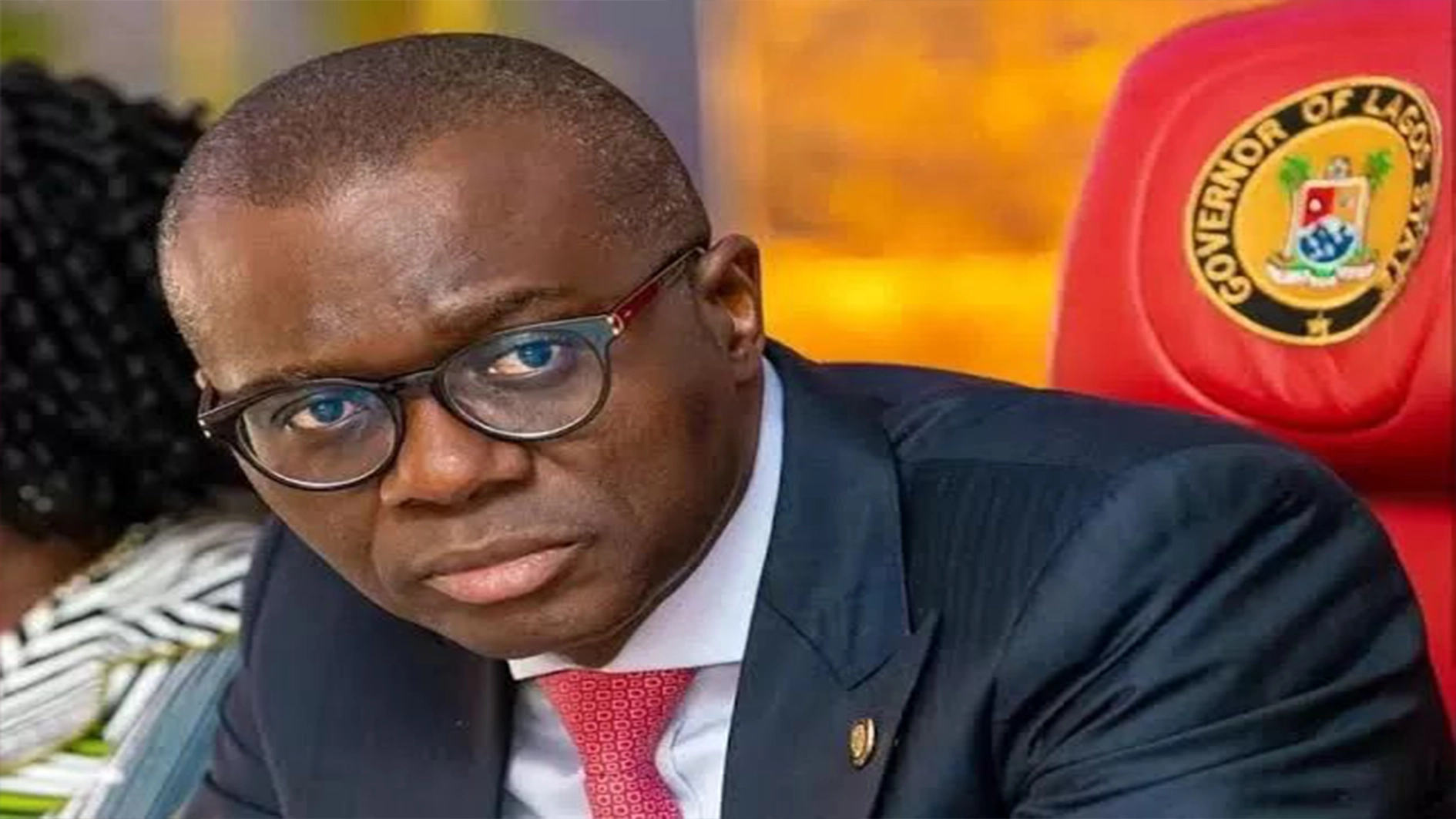
Lagos State Governor, Mr Babajide Sanwo-Olu, on Wednesday, waded through floodwaters in Awoyaya, Ibeju-Lekki Local Council, as he led a high-powered government delegation on an inspection tour of flood-prone communities affected by recent heavy rainfall across the Lekki corridor, pledging that government would take action to prevent a future incident.
The governor, accompanied by Deputy Governor Dr. Obafemi Hamzat, commissioners and other cabinet members, visited Awoyaya, Ogombo, Sangotedo and the Chevron axis of Lekki and Ajah to assess the impact of flooding and evaluate the effectiveness of drainage channels and waterways in the area.
Standing knee-deep in floodwater at Awoyaya while addressing journalists, Sanwo-Olu said the tour was aimed at obtaining first-hand information on the flooding situation and identifying immediate and long-term solutions.
“We did not want to stay in the office and receive reports. We needed to come out and see the reality on the ground so that we can make informed decisions and implement the necessary corrective measures,” the governor said.
He explained that the inspection revealed that many of the drainage channels and tributaries in the area remained functional, but the unprecedented volume of rainfall recorded over the past few weeks had overwhelmed parts of the system, resulting in flooding in some communities.
According to him, several natural waterways and tributaries around the Lekki corridor continue to discharge into the Lagos Lagoon and eventually the Atlantic Ocean, but the intensity of the rainfall had significantly increased water levels.

“What we have seen today is a combination of natural occurrences and human factors. The volume of rain that has fallen within the last three to four weeks has been exceptionally high. Nature will always take its course,” he said.
The governor noted that Lagos is naturally surrounded by lagoons, wetlands and tributaries that have existed for decades, adding that urbanisation and encroachment on some of these waterways had contributed to drainage challenges in certain locations.
He said government would continue dredging, clearing and expanding drainage infrastructure to ensure free flow of water, particularly in rapidly developing areas of the state.
Sanwo-Olu disclosed that engineers accompanying the inspection team had already identified locations requiring additional intervention, including widening drainage channels, raising embankments and improving water discharge systems.
He also explained that the state occasionally experiences “backflow” when water levels in the lagoon rise significantly during periods of intense rainfall, slowing the movement of water from drainage channels into larger water bodies.
The governor likened the situation to a household drainage system, noting that blocked channels and excessive water volume could temporarily overwhelm existing infrastructure.
He urged residents to desist from dumping refuse into drainage channels, warning that indiscriminate waste disposal remained a major contributor to urban flooding.
“We all have a responsibility. Government will continue to provide infrastructure and maintain drainage systems, but residents must also play their part by keeping drains free of waste and protecting the environment,” he said.
Sanwo-Olu sympathised with residents whose homes and properties had been affected by flooding, assuring them that the government was assessing the extent of the damage and would provide relief where necessary.
He disclosed that some relief centres had already been activated for affected residents and promised continued support for vulnerable communities.
The governor, however, warned that the rainy season was still ongoing and advised residents in low-lying and flood-prone areas to relocate temporarily to safer locations whenever necessary.
“The rains are not over yet. We urge residents to pay attention to weather advisories from the Nigerian Meteorological Agency and information from relevant government agencies. People must take precautions and move to safer areas when required,” he said.
Sanwo-Olu reaffirmed his administration’s commitment to protecting lives and property through continuous monitoring, infrastructure upgrades and emergency response measures, stressing that flood management requires collective responsibility between government and residents.

