 Follow Us on Google News
 Follow Us on Google Discover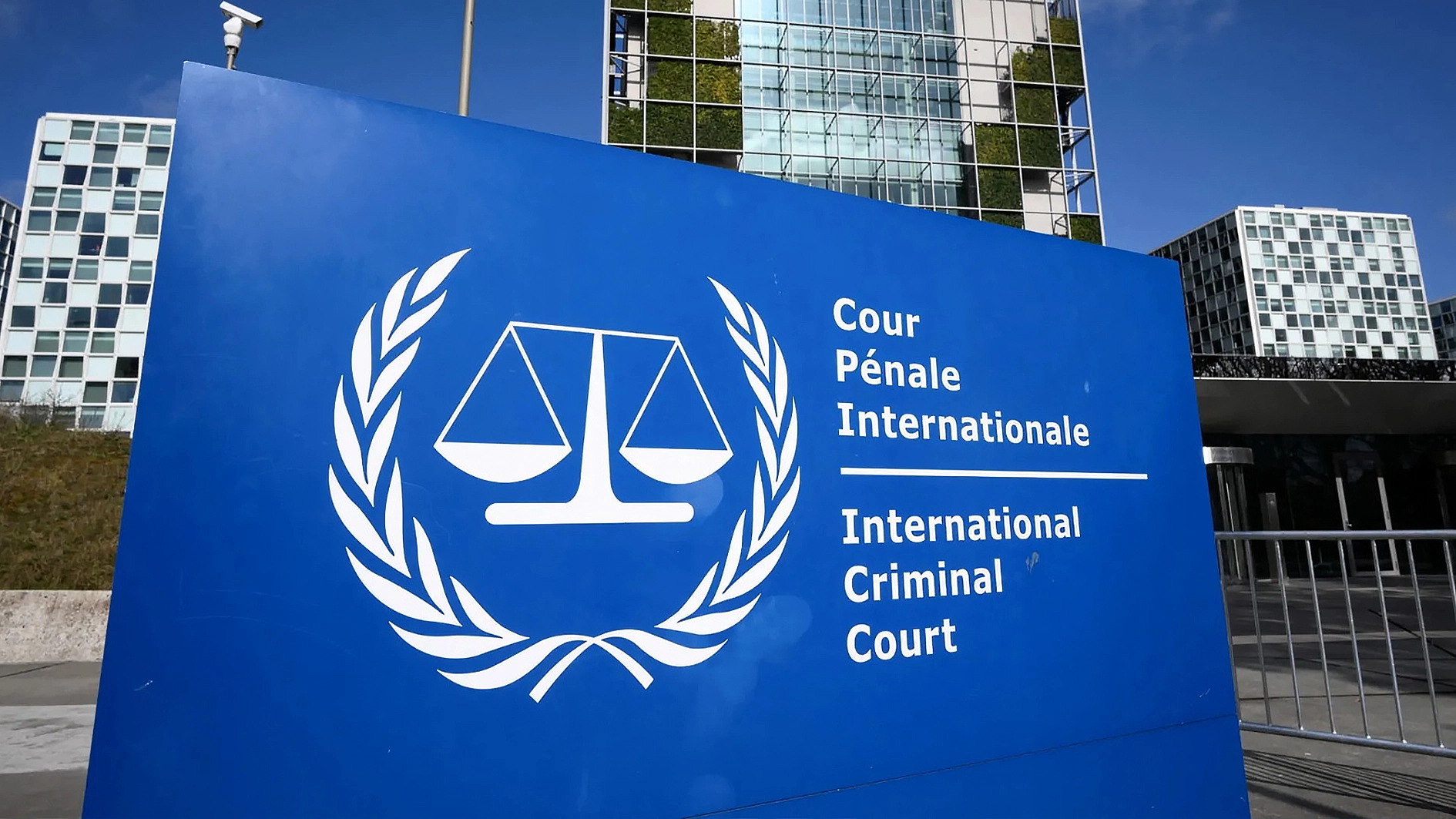
The Republic of Niger’s formal request to withdraw from the International Criminal Court (ICC) marks another troubling moment in the gradual erosion of the international justice system. Nine months after announcing its intention to leave, the West African nation has now taken the legal steps to exit the Rome Statute, joining Burundi and the Philippines as the only countries to have completed the withdrawal process.
Coming on the heels of Niger’s decision, alongside Burkina Faso and Mali, to withdraw from the Economic Community of West African States (ECOWAS) and establish the Confederation of Sahel States, the latest move signals a growing rejection of international and regional institutions by these states under military rule. While these countries have cited sovereignty, security concerns and perceived external interference as reasons for distancing themselves from multilateral organisations, the implications extend far beyond domestic politics. They raise difficult questions about accountability, international law and the future of the global fight against impunity.
The International Criminal Court was established in 2002 with a noble and ambitious mandate: to prosecute individuals responsible for genocide, crimes against humanity, war crimes and the crime of aggression where national courts are unwilling or unable to act. It emerged from the painful lessons of Rwanda, the Balkans and other atrocities that exposed the inability of existing international mechanisms to hold perpetrators accountable.
For millions of victims across the world, the ICC represented hope. It promised that no political leader, military commander or armed group would be beyond the reach of justice. It sought to establish a simple but profound principle: that those responsible for the gravest crimes known to humanity should answer for their actions, regardless of their office or nationality.
More than two decades later, however, that promise has become increasingly difficult to sustain. Critics have long argued that the ICC disproportionately focuses on Africa. Most of its early investigations and prosecutions involved African countries, leading to accusations that the court had become an instrument for policing weaker states while powerful nations remained effectively beyond its jurisdiction.
Although the court has insisted that many African investigations were initiated at the request of the countries themselves or referred to by the United Nations Security Council, the perception of selective justice has persisted. Perception, in international relations, often becomes political reality.

That perception has been reinforced by the conduct of major global powers. The United States, arguably the world’s most influential military power, has never ratified the Rome Statute and is therefore not a member of the ICC. Russia is not a state party. China is not a member either. These are countries with significant geopolitical influence and military reach.
Their absence weakens both the legitimacy and the universality of the court. It allows critics to argue that international criminal justice has become a system in which weaker nations are subjected to scrutiny while stronger nations retain the ability to shield themselves from accountability.
Recent developments in the Middle East have further intensified these criticisms. The ICC’s positions regarding the conflict involving Israel have generated fierce international debate. While the court has sought to demonstrate its willingness to investigate alleged crimes regardless of the parties involved, enforcement remains deeply complicated by geopolitics. Arrest warrants mean little when powerful governments refuse to cooperate, and legal principles are often overwhelmed by political calculations.
This inability to apply justice uniformly has become one of the court’s greatest institutional weaknesses. Yet acknowledging these shortcomings should not lead to the conclusion that countries ought to abandon the ICC altogether.
The withdrawal of Niger is particularly concerning because it comes at a time when accountability for serious human rights violations is needed more than ever. The Sahel region has become one of the world’s most volatile security theatres, plagued by terrorism, military coups, ethnic violence and allegations of abuses by both state forces and armed groups.
When governments facing allegations of misconduct begin distancing themselves from international accountability mechanisms, legitimate questions inevitably arise. Critics may not be entirely wrong to suggest that some governments opposed to the ICC are uncomfortable with external scrutiny. While every state has the sovereign right to determine its treaty obligations, sovereignty should never become a shield against accountability for crimes that shock the conscience of humanity.
Indeed, one of the fundamental principles behind the Rome Statute is complementarity. The ICC only intervenes where national judicial systems fail or are unwilling to genuinely investigate and prosecute international crimes. States that possess strong, independent and effective judicial institutions have little to fear from the court because justice is expected to begin at home.
However, the greater concern is the precedent being established. If more countries conclude that the solution to dissatisfaction with international institutions is simply to walk away, the entire framework of international justice could gradually unravel. Every withdrawal weakens the court’s moral authority, reduces its global reach, and encourages others to question whether membership remains worthwhile.
Therefore, such a trend risks normalising impunity. History teaches painful lessons about what happens when perpetrators believe there are no consequences for atrocities. Genocide, ethnic cleansing, systematic torture and crimes against civilians flourish where accountability disappears. International criminal law was created precisely because domestic institutions have often failed victims during periods of conflict and political instability.
Nigeria itself illustrates why institutions like the ICC remain relevant. Allegations of armed violence, crimes against humanity and serious violations of international humanitarian law have surfaced over the years in relation to insurgency, counter-insurgency operations, communal violence and attacks on civilian populations. Similar accusations exist in numerous conflict zones across Africa and beyond.
That said, the ICC must also confront the criticisms levelled against it with honesty and urgency. If it is to command universal respect, it cannot afford to appear selective or politically constrained. Justice must not only be done; it must be seen to be done without fear or favour.
The court should continue strengthening investigations outside Africa where evidence justifies action. It should improve transparency in prosecutorial decisions, deepen engagement with member states, and consistently demonstrate that no country, however influential, is above international law.
Equally important is the role of the international community. Powerful nations cannot continue demanding accountability from others while refusing to subject themselves to the same legal framework. A genuinely universal criminal court cannot exist when some of the world’s strongest military powers remain outside its jurisdiction. This is because global justice cannot operate on double standards.
Niger’s withdrawal, therefore, deserves careful reflection rather than celebration. Reforming the ICC may be necessary. Making it more representative, more efficient and more even-handed is certainly desirable. But weakening the institution through successive withdrawals is unlikely to produce a stronger system of international justice.
Rather, it risks encouraging a future where accountability becomes optional, and international law increasingly loses its force. The world cannot afford that outcome.

