 Follow Us on Google News


 Follow Us on Google Discover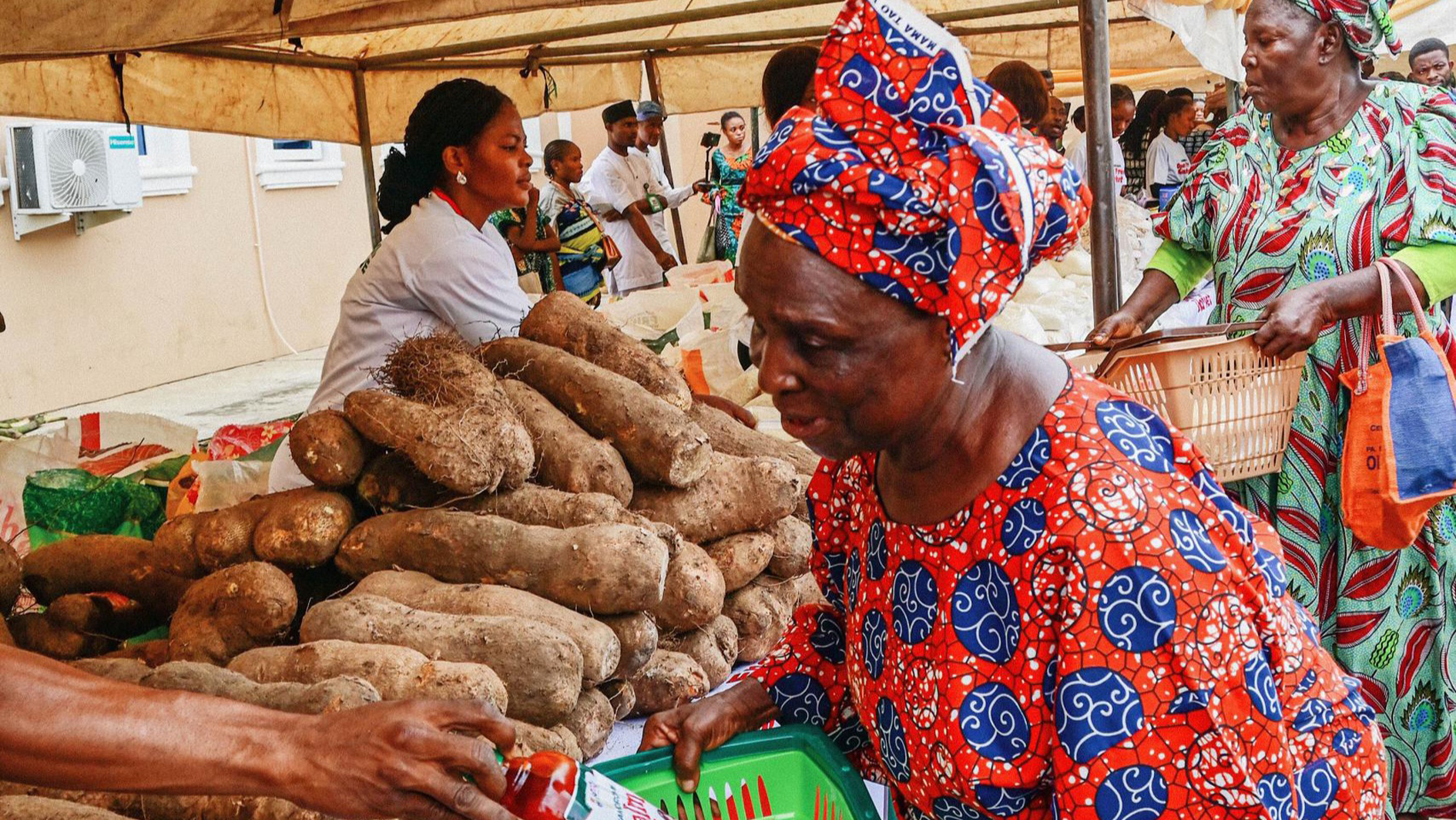
The Chief Executive Officer of the Centre for the Promotion of Private Enterprise (CPPE), Dr Muda Yusuf, said Nigeria’s June 2026 inflation report points to a broad stabilisation of headline inflation but reveals a renewed escalation in food prices.
He warned that structural inflationary pressures in the real economy remain pronounced despite improving macroeconomic stability.
In a policy brief released yesterday, he noted that headline inflation eased marginally, while month-on-month change moderated from 1.75 per cent to 1.66 per cent, indicating that headline inflation has largely plateaued.
According to him, the dominant concern in the latest inflation report is the renewed acceleration in food inflation.
This growth, he said, suggested that food prices have resumed an upward trajectory after a brief period of moderation.
Warning that a renewed increase in food inflation has significant economic and social implications, he stressed that food inflation remained the biggest driver of Nigeria’s cost-of-living crisis.

According to him, rising food prices continue to erode household purchasing power, worsen poverty and food insecurity while weakening the inclusiveness of the current reform programme.
He maintained that sustained moderation in food prices is critical to improving citizens’ welfare and strengthening public confidence in the ongoing economic reforms.
Acknowledging the easing of core inflation as encouraging, he drew attention to the persistence of urban inflation.
At 16.08 per cent, urban inflation exceeded the national headline inflation rate of 15.91 per cent, while month-on-month urban inflation increased from 1.99 per cent to 2.13 per cent.
According to Yusuf, the figures indicated that inflationary pressures remained particularly intense across urban centres.
He attributed the rising urban inflation partly to increasing population displacement from rural communities affected by insecurity.
He expressed worry that as more households migrate to urban areas, demand for housing, transportation, utilities and other essential services would increase, adding to inflationary pressures and creating additional urbanisation challenges.
Addressing insecurity in farming communities, he said, was important not only for protecting lives and property and boosting agricultural output but also for easing cost pressures in urban centres.
He added that the June CPI data reinforced the view that Nigeria’s inflation challenge is predominantly structural rather than monetary.
On the monetary policy outlook, he said the data do not justify further monetary tightening, arguing that headline inflation has largely stabilised.
Hence, he expected the Monetary Policy Committee (MPC) to retain the current monetary policy rate at its next meeting, adding that the priority is for monetary and fiscal authorities to work together to accelerate structural reforms to expand food supply, improve logistics, reduce energy and production costs, lower debt service costs as well as strengthen domestic value chains.

