 Follow Us on Google News
 Follow Us on Google Discover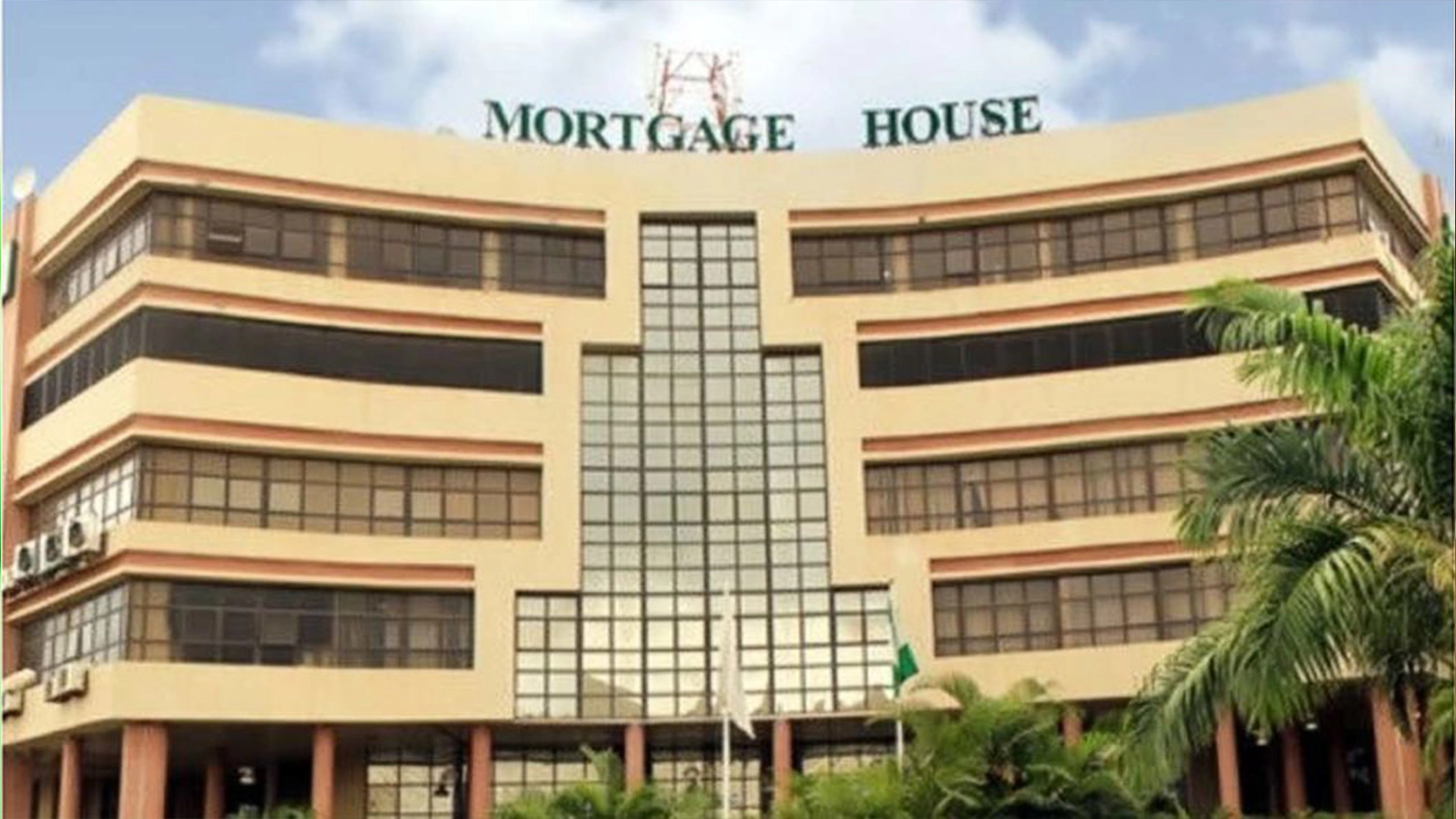
The Managing Director of Federal Mortgage Bank of Nigeria (FMBN), Shehu Osidi, has said that the bank has worked assiduously to finance over 9,076 housing units between 2024 and 2025, leveraging sustainable, affordable housing for low-income and informal workers in the country.
Osidi, who spoke at FMBN Day at the Africa International Housing Show (AIHS) in Abuja, said it has become a unique opportunity for them to reflect on their progress, exchange ideas and collectively chart a sustainable path towards expanding access to affordable housing for Nigerians.
The Managing Director argued that the platform has evolved into one of the most important engagements for constructive dialogue between the bank and stakeholders across Nigeria’s housing finance ecosystem, yet these Nigerians deserve decent homes.
Osidi said: “Many cannot accumulate the sizeable equity contributions required to access traditional mortgage finance. Ironically, these are the very Nigerians who contribute immensely to national productivity yet remain the most financially excluded from formal housing finance systems.”
He explained that they deserve access to affordable mortgage products designed around their realities rather than around conventional banking assumptions, adding, unfortunately, that this challenge cannot be solved by government alone.
MEANWHILE, the Enugu State Housing Development Corporation (ESHDC) has unveiled a demand-driven approach to affordable housing delivery, advocating practical solutions that align with the needs, preferences, and economic realities of Nigerians.

Speaking at the 20th anniversary edition of the Africa International Housing Show (AIHS) 2026 in Abuja, the Acting General Manager of ESHDC, Mrs Adenike Okebu, presented the Corporation’s housing model as a practical strategy for tackling Nigeria’s housing deficit through sustainable, people-centred development.
The six-day conference, held at the Transcorp Hilton, brought together participants from more than 30 countries, including government officials, policymakers, investors, developers, housing finance institutions, and construction experts to explore innovative policies, financing models, and partnerships for expanding access to affordable housing across Africa.
Addressing participants during a panel session on affordable housing, Mrs Okebu, who is the Senior Special Assistant to the Governor on Revenue, identified poor location planning as one of the major reasons many low-income housing schemes across Nigeria fail to achieve their objectives. She observed that several government-built estates are situated far from places of work, schools, healthcare facilities, and other essential services, making them unattractive to the very people they are intended to serve.
“Affordable housing is not just about building houses. It is about providing homes where people actually want to live, with access to jobs, schools, healthcare, and the basic infrastructure that supports everyday life,” she said.
She stressed that affordable housing should not be measured merely by the cost of construction but also by its accessibility, convenience, and livability, noting that housing developments must reflect the aspirations and lifestyle preferences of their intended beneficiaries.

