 Follow Us on Google News
 Follow Us on Google Discover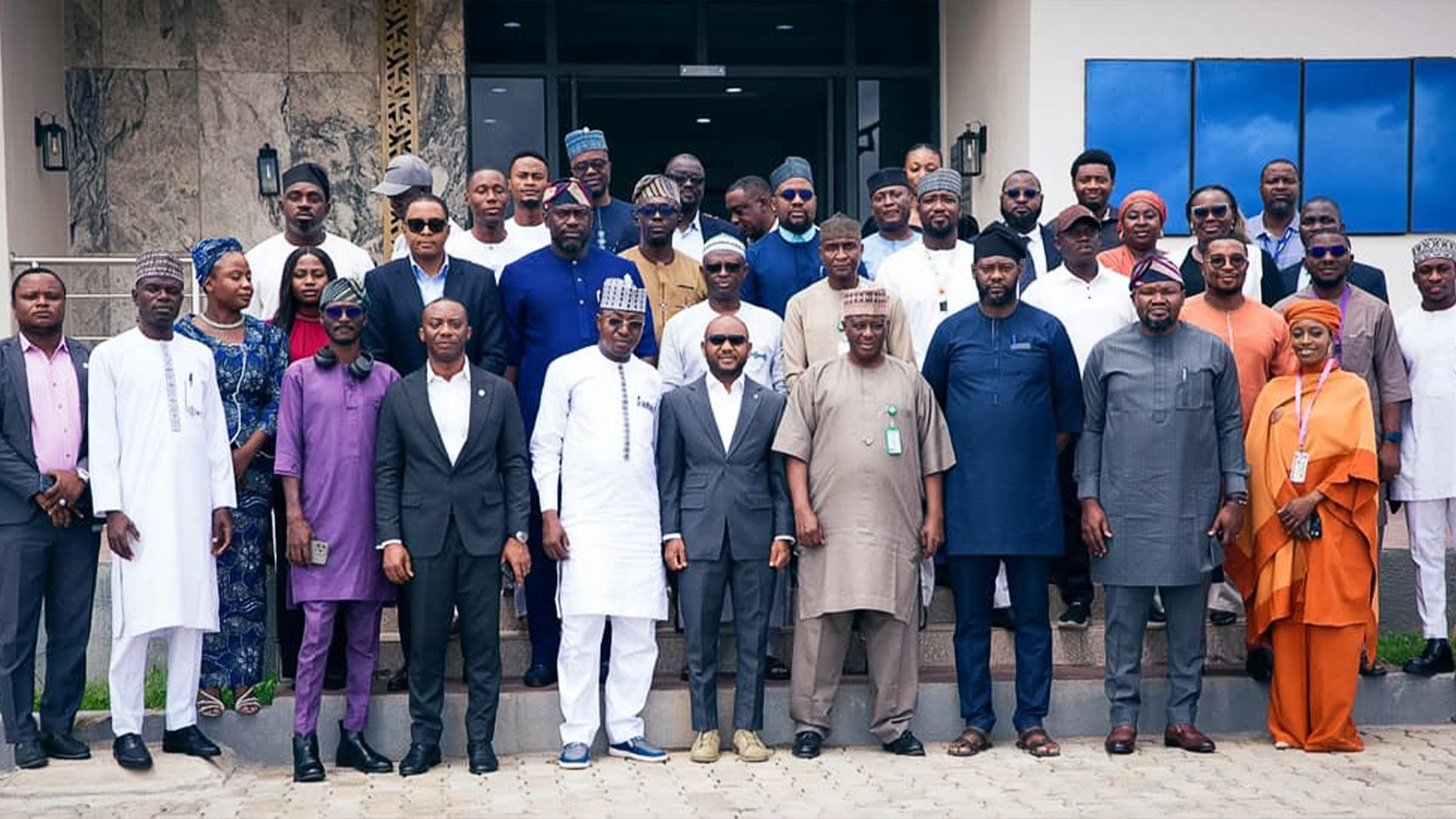
Stakeholders in Nigeria’s electricity sector have stressed the need for cost-reflective tariffs, clear regulations and coordinated policies to attract private investment into Nasarawa State’s off-grid electricity market, as the state unveiled a proposed roadmap to expand electricity access and accelerate rural electrification.
This was at Nasarawa State Electricity Market Roundtable, convened by the Nasarawa State Investment Development Agency (NASIDA) in partnership with the Nasarawa State Electricity Board (NASEB), Nasarawa State Electricity Regulatory Commission (NASERC), Abuja Electricity Distribution Company (AEDC) and Husk Power.
The roundtable meeting had the theme “Building a Competitive Electricity Market for Sustainable Economic Growth in Nasarawa State.”
Husk Power Systems’ Country Director and Vice President, Business Development, West Africa, Olu Aruike, said investor confidence would depend on a pricing framework that reflects the actual cost of electricity generation and distribution.
“The bankability question comes first. Markets cannot be competitive if revenue is not cost-reflective and if investors cannot underwrite the risk of non-payment,” Aruike said.
He cautioned against tariff suppression and urged the Nasarawa State Electricity Regulatory Commission (NASERC) to adopt the African Forum for Utility Regulators Tariff Tool, which determines tariffs using factors such as generation source, equipment costs, operations and maintenance, and load profiles.

“When tariffs are built from the bottom up, using actual cost drivers, you get two things: investor confidence and consumer trust. That’s the foundation for a bankable market. And, it’s great to see that Nasarawa is a minigrid leader in the Nigerian energy ecosystem,” he said.
A major highlight of the roundtable was the presentation of the proposed Nasarawa State Off-Grid Electrification Policy 2025-2030 by the Nigeria Mini-Grid Acceleration Programme (NoMAP).
Presenting the policy, NoMAP Programme Director, Adedotun Eyinade, said the framework translates the Nasarawa Electricity Law 2026 into an operational strategy following the devolution of electricity regulatory powers under the Electricity Act 2023.
According to him, the objective “is to shift from isolated projects to a coordinated market built around universal access, private investment, productive use of energy, and industrialization.”
The policy targets universal electricity access for currently unserved households, micro, small and medium-sized enterprises (MSMEs) and public institutions by 2030. It also proposes the deployment of 250 rural minigrids across the state’s 13 local government areas, installation of 500,000 standalone solar systems, creation of 60,000 off-grid jobs, electrification of schools, primary healthcare centres, WASH facilities, markets, industrial parks and telecommunications towers, as well as the establishment of a Clean Energy Industrial Park by 2027.
To achieve these objectives, NoMAP proposed an 18-month implementation roadmap beginning with the publication of standalone minigrid regulations, standard operating procedures, sector accounts and streamlined licensing processes. The second phase includes negotiating an interconnection framework with the Abuja Electricity Distribution Company (AEDC), introducing a state-specific tariff methodology and developing compensation rules for stranded assets when the national grid reaches minigrid locations. The final phase focuses on strengthening governance between NASERC and the Nasarawa State Electricity Bureau (NASEB) and commencing annual state energy reporting.
The programme also proposed the establishment of a Nasarawa Electrification Fund to mobilise financing from state budget allocations, public-private partnerships, private investors, grants, climate finance, green bonds and carbon financing, with provisions for independent oversight, audits and public disclosure.
Eyinade, however, identified regulatory and commercial challenges that could affect investment, including the absence of a framework for interconnected minigrids, lack of compensation mechanisms when the national grid extends to minigrid communities, the absence of a state tariff methodology, limited data on network hosting capacity, lengthy community consent processes and potential conflicts of interest arising from NASEB’s multiple regulatory and implementation roles.
Responding, NASERC said its minigrid regulations were nearing completion and assured stakeholders that concerns raised during the discussions would be considered. Chief Executive Officer of ACOB Lighting, Alexander Obiechina, advised the commission to adapt existing Nigerian Electricity Regulatory Commission (NERC) regulations instead of developing entirely new ones.
Other contributors included Prof. Stephen Ogaji of the Niger Delta Power Holding Company, who spoke on integrated resource planning, while AEDC called for fiscal and non-fiscal incentives, including land concessions for public-purpose energy projects.
Managing Director of the Nasarawa State Investment and Development Agency (NASIDA), Ibrahim Abdullahi, urged investors to engage regulators early while encouraging regulators to sustain policies that support private investment.
“We are here to make this happen. Our ambition is big. We want to see an electrified Nasarawa State. The governor has given us the necessary support to deliver,” he said.
A study tour of operational energy projects was done in the state, including Husk Power’s 50kWp solar minigrid in Alagye community and the 1MWp solar hybrid facility at the Nasarawa State Secretariat.
The tour attracted officials from NASERC, NASIDA, NASEB, AEDC, the Niger Delta Power Holding Company, NoMAP and other stakeholders in the Nigerian electricity sector.
Associate Director, Government Relations at Husk Power Systems, Emmanuel Effiong, said the roundtable demonstrated the value of collaboration in developing sustainable electricity markets.

