 Follow Us on Google News
 Follow Us on Google Discover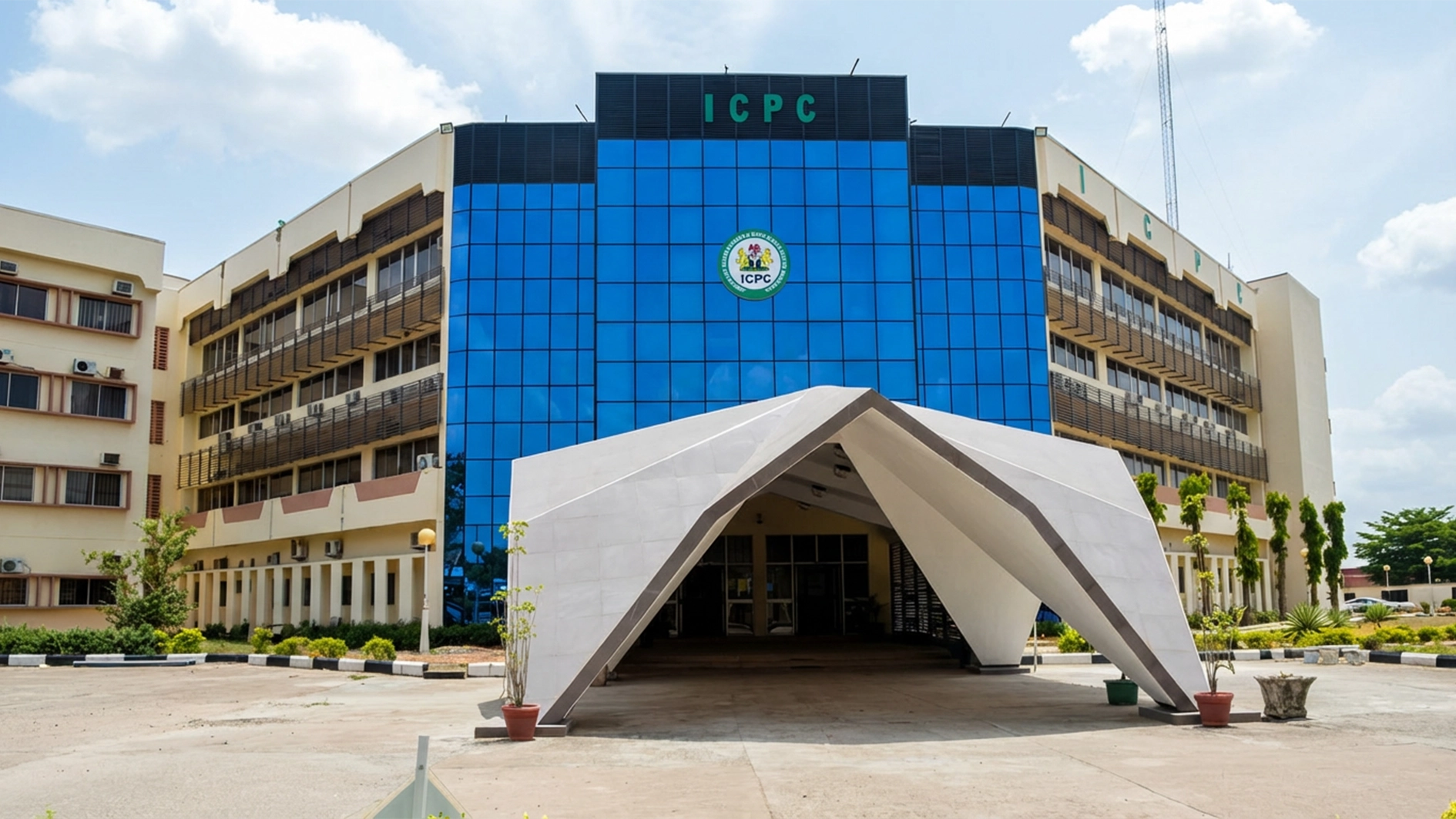
The Independent Corrupt Practices and other related offences Commission (ICPC) in collaboration with the Centre for Social Justice (CSJ) has unveiled the Follow-Up Corruption Risk Assessment System Review Reports on the National Health Insurance Authority (NHIA), the National Primary Health Care Development Agency (NPHCDA) and Universal Basic Education Commission (UBEC).
The reviews were undertaken under the project “Improving the Effectiveness of Anti-Corruption Processes and Reforms and supported by the European Union, International IDEA and the Rule of Law and Anti-Corruption (RoLAC) Programme.
The reports, which build on the 2015 and 2019 systems studies and corruption risk assessment of the agencies, show relative improvements in their compliance levels. For the National Health Insurance Authority (NHIA), the report found that while notable progress has been made since the 2019 assessment, which earned it a score of 73 per cent, there are still significant systemic gaps.
According to the report, the persistence of financial vulnerabilities, weak oversight of Health Management Organisations (HMOs), inadequate enrollee sensitisation and widespread denial of drugs and diagnostic benefits indicate that the service delivery objectives of the NHIA Act 2022, are far from fully realised.
The report on the NPHCDA noted that the agency recorded measurable, average, but uneven progress in implementing the 2015 integrity plan. UBEC, according to the report, also recorded measurable, partial and average but uneven progress in implementing the 2015 integrity plan.
Speaking at the event which took place in Abuja on Monday, the Chairman of ICPC, Dr. Musa Adamu Aliyu, said preventing corruption before it occurs remains the most effective and enduring strategy for protecting public resources and improving governance.

He said the commission will continue to live up to its constitutional mandate of nipping corruption in the bud. He also assured the agencies whose processes were reviewed that the commission was not passing a judgement on them, but rather is trying to strengthen their systems against corrupt practices.
Also speaking, the Lead Director Centre for Social Justice (CSJ), Barr. Eze Onyekpere, said the agencies selected for the review are central to the realisation of the rights to education and health, two key foundations for the Sustainable Development Goals and the development of Nigeria.
He said the goal of the project is to contribute to increased effectiveness of anti-corruption laws, policies, interventions and strategies for the entrenchment of reforms at national and subnational levels.
He said the expectation is that this assessment would lead to increased compliance with anti-corruption laws. According to him, “Anti-corruption laws and policies are not an end in themselves but they are expected to lead to systemic change, enhanced compliance and behavioural change in society.”
Onyekpere said laws, policies and standards do not implement themselves. “They require the action of institutions through human beings. A few lessons from the just concluded reviews requires the attention of the relevant authorities”, he said, adding that interagency collaboration is imperative, requiring collaboration between the anti corruption agencies, regulatory agencies, among others.

