 Follow Us on Google News
 Follow Us on Google Discover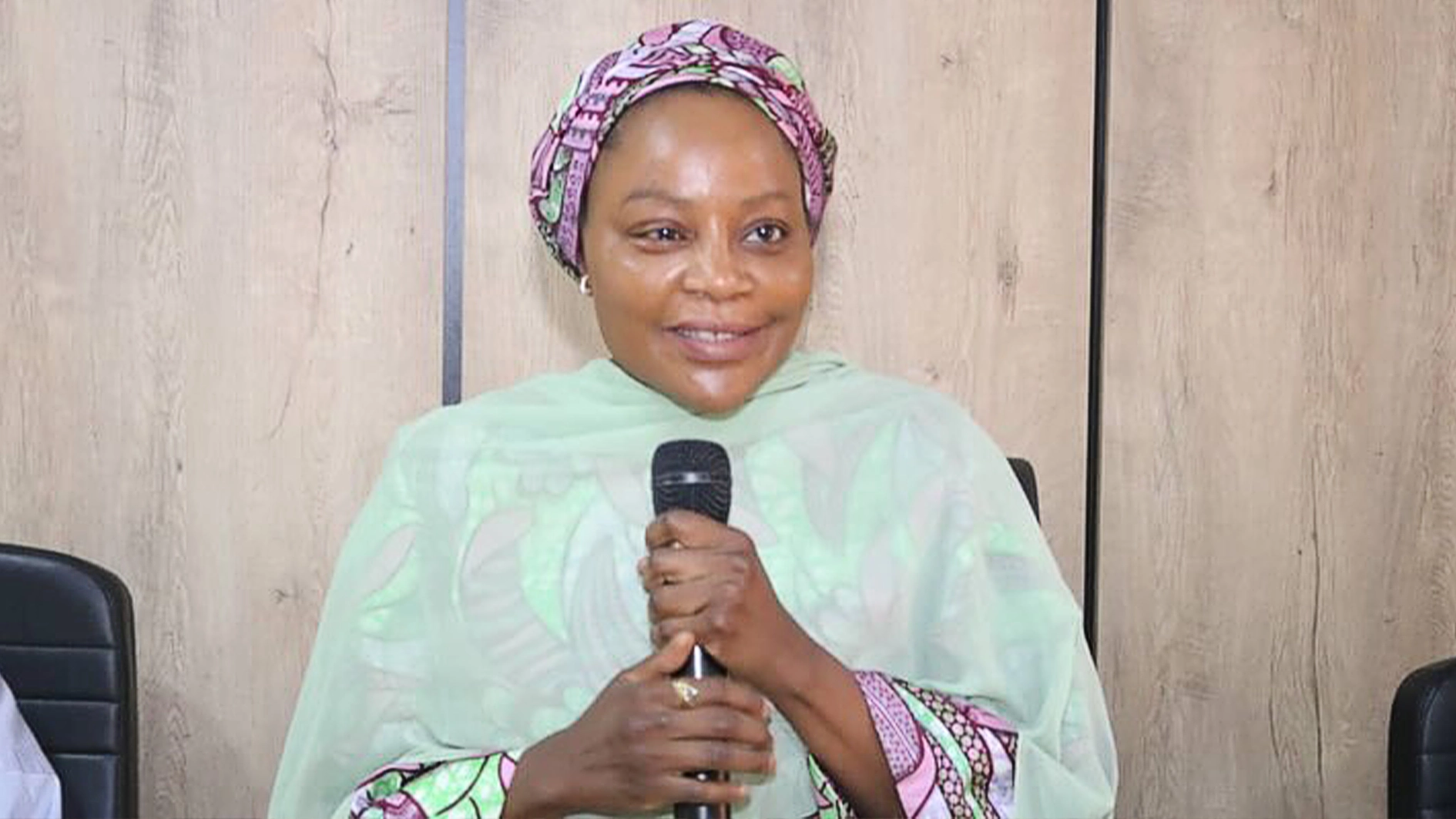
Foundation urges mothers of children with cerebral palsy to embrace entrepreneurship
The Universal Basic Education Commission (UBEC) has unveiled a new set of national standards, implementation guidelines and an early identification tool aimed at tackling the exclusion of children with disabilities from Nigeria’s basic education system.
Executive Secretary of UBEC, Dr Aisha Garba, while speaking during the national stakeholders’ engagement on the utilisation of the national special and inclusive basic education minimum standards, implementation guidelines and functional difficulty early identification tool in Abuja, yesterday, said the initiative marks a major step towards ensuring that every Nigerian child has access to quality and inclusive basic education.
HOWEVER, mothers of children living with cerebral palsy have been urged to embrace entrepreneurship as a pathway to financial independence, while their children were introduced to Science, Technology, Engineering and Mathematics (STEM) education through hands-on robotics activities aimed at expanding learning opportunities.
The call was made during the eighth cohort of the Empowered Mothers, Thriving Children programme organised by the Let Cerebral Palsy Kids Learn Foundation, in partnership with the Special Needs Initiative for Growth in Lagos.
Garba, who was represented by the Deputy Executive Secretary (Technical), Razak Akinyemi, said despite significant expansion in school enrolment over the past decade, children with disabilities continue to face disproportionate barriers to enrolment, participation, progression and learning outcomes.

Citing global evidence from the United Nations Educational, Scientific and Cultural Organisation (UNESCO) and United Nations Children’s Fund (UNICEF),
She noted that children with disabilities are significantly less likely to complete basic education due to inadequate early identification of learning difficulties, inaccessible learning environments and limited teacher preparedness.
UBEC Executive Secretary stated that to address the gaps, the Commission had developed three key national instruments to strengthen inclusive education across the country.
Garba added that the newly developed implementation guidelines clearly define the responsibilities of UBEC, State Universal Basic Education Boards (SUBEBs), Local Government Education Authorities, school administrators, teachers, School-Based Management Committees and communities to ensure effective implementation of inclusive education policies.
She also announced the introduction of a functional difficulty early identification tool designed to facilitate the early detection of developmental, sensory, cognitive, communication and behavioural challenges among young learners.
According to her, early identification and intervention have been proven globally to improve schools’ readiness, literacy, social participation and long-term educational outcomes while reducing the cost of remedial interventions.
In her remarks, Education Officer of UNICEF, Blessing Afuwai, said the new frameworks would strengthen the capacity of states to identify children with disabilities and other special educational needs early, improve access to quality learning, and ensure that no child is left behind.
Afuwai reaffirmed UNICEF’s commitment to supporting the Federal Government and UBEC in implementing inclusive education policies, stressing that early identification, accessible learning environments and well-trained teachers are essential to improving educational outcomes for vulnerable children.
She urged state education authorities and other stakeholders to effectively utilise the new standards and tools, noting that their successful implementation would help guarantee equitable access to quality basic education for every Nigerian child, regardless of disability or functional difficulty.
Earlier in his welcome address, the Acting Director, Department of Special Programmes and Early Childhood, UBEC, Dr Chijioke Onwuzurike, described the workshop as a strategic national intervention aimed at strengthening the capacity of states to effectively implement inclusive and special education across Nigeria.
Chief Responsibility Officer of the Foundation, Tobiloba Ajayi, said empowering mothers economically would have a direct impact on the wellbeing and development of their children.

