 Follow Us on Google News
 Follow Us on Google Discover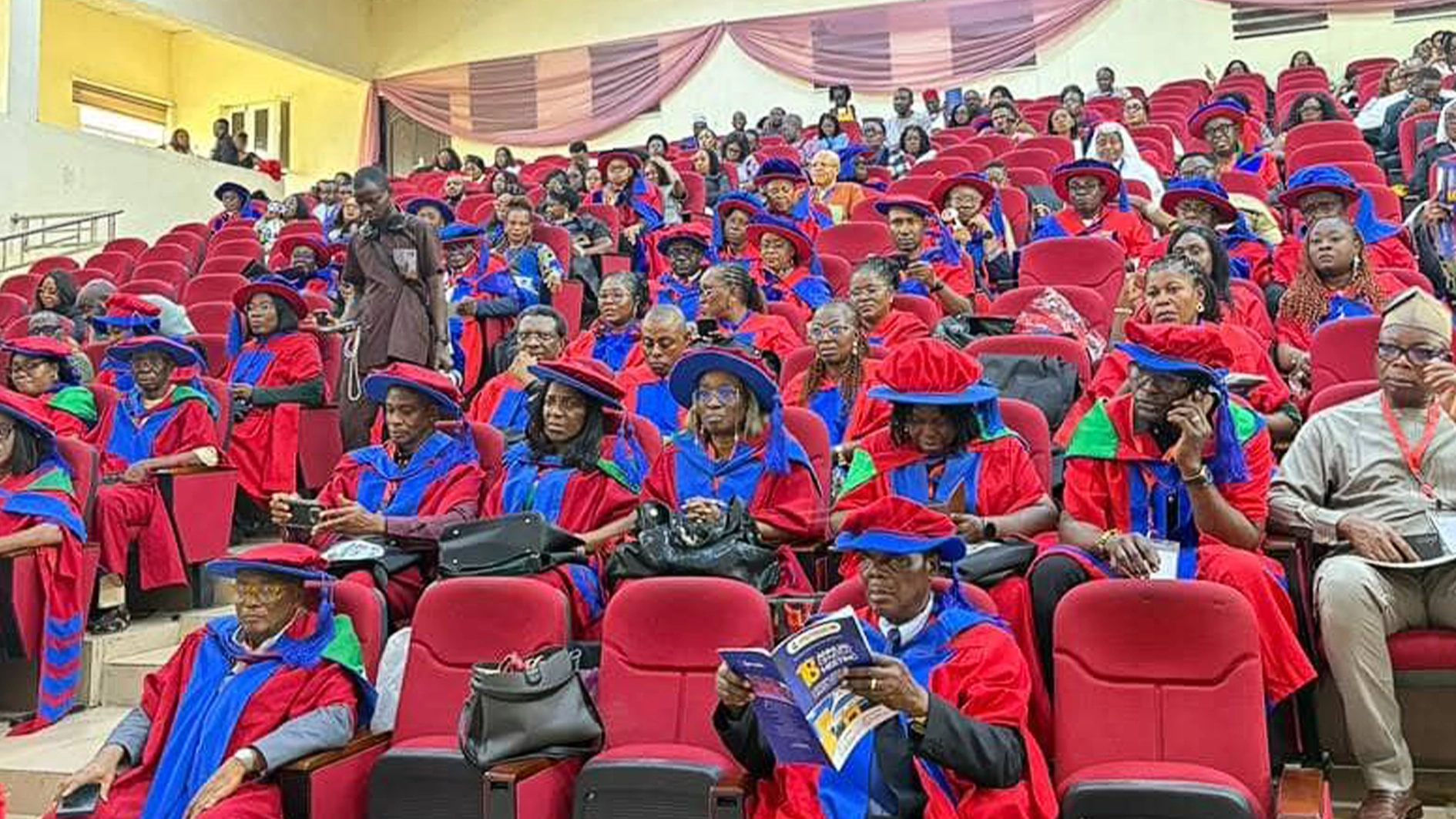
..College inducts new fellows
Nigeria’s leading optometrists have called for an urgent overhaul of specialist eye care through research, innovation and stronger collaboration, warning that the country’s growing burden of avoidable blindness cannot be tackled with traditional approaches alone.
The call was made at the 18th yearly general meeting and scientific conference of the Nigerian Postgraduate College of Optometrists (NPCO), where experts argued that research must move beyond academic publications to producing practical solutions capable of improving patient outcomes, influencing health policies and expanding access to quality eye care across the country.
The two-day conference, held under the theme ‘Redefining Specialist Eye Care Through Research and Innovation,’ brought together academics, researchers, clinicians and healthcare professionals to examine how evidence-based practice can transform Nigeria’s eye health system.
A major highlight of the event was the induction of 17 new Fellows into the College across seven specialist faculties, a move aimed at strengthening Nigeria’s pool of specialist optometrists and improving advanced eye care services.
Speaking during the induction ceremony at Bingham University, Karu, Nasarawa State, President of the Nigerian Postgraduate College of Optometrists, Professor Franklin Koi, said Fellowship represents far more than an academic qualification, describing it as a commitment to clinical excellence, ethical leadership, research and mentorship.

He said the College’s next phase of development would prioritise strengthening residency training, expanding research activities, improving specialist competence and creating more opportunities for Fellows to contribute to optometric education in Nigerian universities.
Koi also unveiled plans to enrich future scientific conferences by encouraging resident doctors to present research proposals and ongoing studies for scholarly review, mentorship and constructive criticism.
Delivering the keynote address, Deputy Vice-Chancellor of Bingham University, Professor Musa Dankyau, challenged eye care professionals to embrace a more integrated healthcare model, insisting that collaboration—not rivalry—holds the key to transforming eye care delivery in Nigeria.
Speaking on ‘A Shared Vision for Transforming Eye Care in Nigeria: Research, Innovation and Collaboration for an Integrated People-Centred Eye Health System,’ Dankyau stressed that meaningful research should solve real-life healthcare challenges rather than merely increase publication records.
Using the experience of a patient navigating different levels of healthcare, he argued that effective eye care requires coordinated efforts among health professionals.
“The future of eye care in Nigeria will not be written by one profession. It will be written by one health system,” he said.
He called for stronger partnerships among universities, government agencies, healthcare institutions, professional bodies, industry players and local communities, while advocating wider adoption of digital referral systems, tele-eye care, artificial intelligence, integrated diabetic eye clinics and locally driven research capable of addressing Nigeria’s unique eye health challenges.
The scientific sessions, held in, Abuja, focused on building a new generation of specialist optometrists equipped to combine clinical expertise with cutting-edge research.
Deputy Vice-Chancellor of Arthur Jarvis University, Professor Anne Ebri-Ekong, in her lecture titled ‘Training the Next Generation of Specialist Optometrists Through Research-Led Education in Nigeria,’ stressed the need to embed research into postgraduate specialist training.
She warned that Nigeria’s rising burden of avoidable blindness demands specialists who can not only provide treatment but also generate evidence to shape national eye health policies and improve patient outcomes.
Ebri-Ekong advocated stronger residency programmes, structured mentorship, multidisciplinary research collaborations and the establishment of centres of excellence capable of producing clinician-researchers to address the country’s growing eye care needs.
In another presentation, Dr Damian Echendu examined how scientific discoveries can be translated from laboratories into routine clinical practice through implementation science and innovation.
His lecture, ‘From Bench to Bedside,’ explored the role of quality improvement, operational research, artificial intelligence and evidence-based practice in reshaping specialist eye care, urging clinicians to see themselves as innovators capable of driving better healthcare outcomes.
The presentations generated extensive discussions among participants, with experts exchanging ideas on improving specialist education, strengthening clinical research and expanding access to quality eye care across Nigeria.
The conference ended with the College’s yearly general meeting, where members reviewed progress and reaffirmed their commitment to advancing specialist optometric education, promoting research excellence and strengthening patient-centred eye care.
The consensus from the gathering was that Nigeria’s response to avoidable blindness will depend not only on producing more specialist optometrists, but on developing professionals who can generate evidence, embrace innovation and work collaboratively to build a more integrated and resilient eye health system.

