 Follow Us on Google News
 Follow Us on Google Discover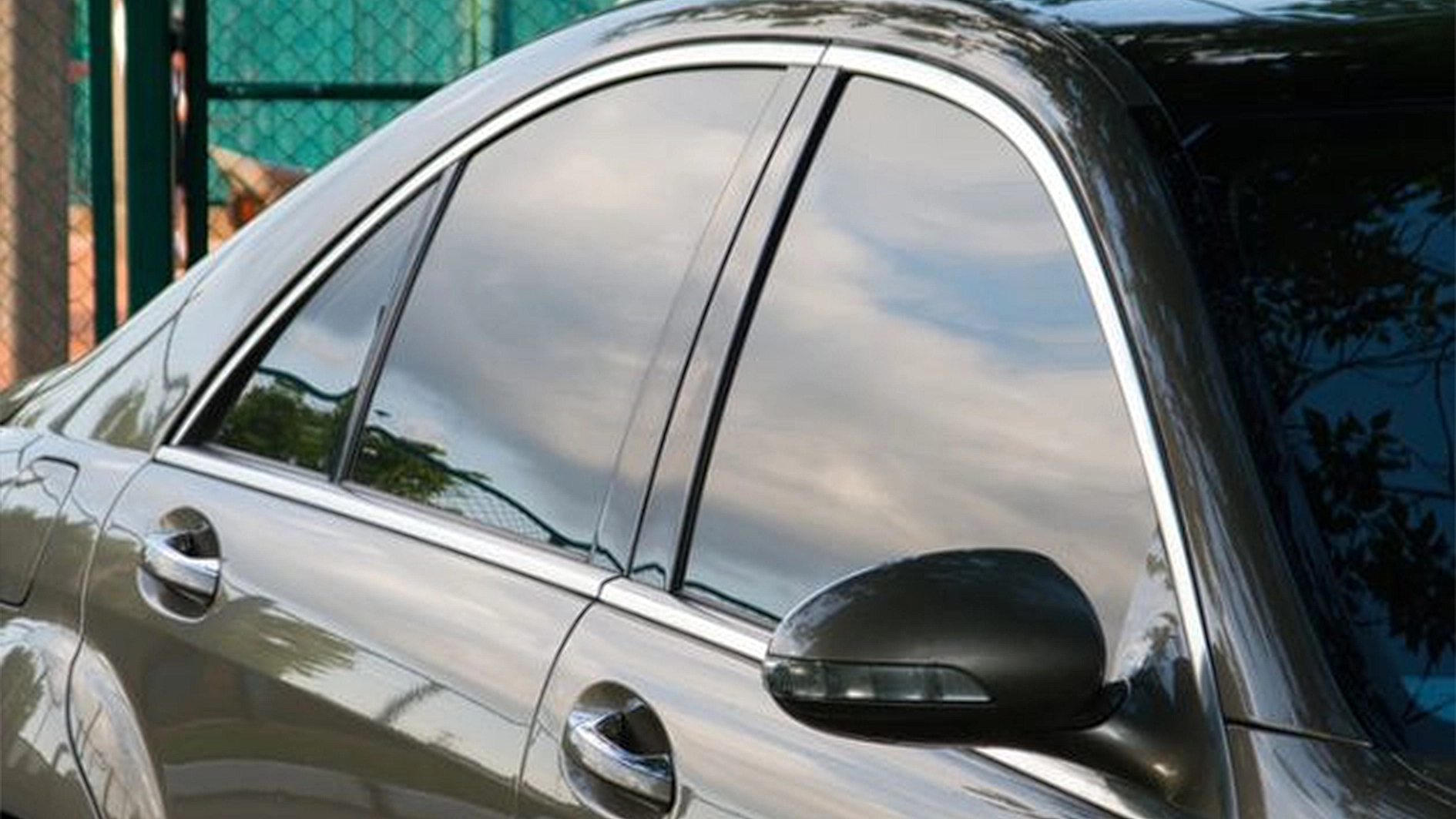
A new report calls on the Federal government to abolish the permit requirement for factory-fitted tinted glass.
The report says that the current regime is outdated and imposes unnecessary financial and administrative burdens on law-abiding motorists.
The 30-page report, ‘Tinted Glass Permits, the e-CMR and Insecurity: Are We Solving the Right Problem?’ authored by public commentator, Agboola Taiwo, examines the Motor Vehicles (Prohibition of Tinted Glass) Act of 1991 and its revival.
The review notes that the mandatory digital tinted-glass permit introduced by the Nigeria Police Force (NPF), which costs between N14,000 and N16,000 per vehicle, has sparked controversy because it applies to factory-fitted tinted glass, a standard feature on most modern vehicles.
It notes that the police projected the scheme could generate about N94 billion y early while its enforcement has faced repeated suspensions and a legal challenge by the Nigerian Bar Association (NBA).
The report argues that factory-fitted tinted glass is a global automotive standard, particularly for sports utility vehicles (SUVs), pickups, electric vehicles, and many passenger cars, and that it should not require individual police permits.

It contends that vehicle owners do not “cause” their vehicles to be tinted, as the law originally envisaged, since the tint is installed by manufacturers during production.
Hence, it notes that enforcing a requirement for motorists to replace factory-installed glass within 14 days is impractical because Nigeria neither manufactures vehicles nor automotive glass.
It also questions the security rationale behind the policy, noting that no publicly available crime data establishes a direct relationship between factory-fitted tinted glass and the rise in kidnapping, armed robbery or banditry.
Instead, the report posits that many recent high-profile attacks were carried out using motorcycles, open pickup trucks and commercial vehicles, rather than tinted SUVs, suggesting that the permit regime does not effectively target the vehicles commonly associated with such crimes.
The review equally criticises the Electronic Central Motor Registry (e-CMR), describing it as a duplication of information already captured during vehicle registration and annual licensing.
It recommends that vehicle ownership data collected by the Federal Road Safety Corps (FRSC) and state licensing authorities be automatically integrated into police databases, rather than requiring motorists to pay for an additional registration process.
Comparing Nigeria with other countries, the report notes that Ghana, the Benin Republic, Cameroon and Côte d’Ivoire regulate vehicle window tint through measurable visible light transmission (VLT) standards instead of permit systems.
It added that countries such as the United Kingdom, the United States and South Africa also rely on objective tint standards enforced during inspections without requiring annual permits.
Among its recommendations, the report urged the Federal Government to abolish permits for factory-fitted tinted glass, introduce internationally accepted VLT standards for vehicle windows, restrict regulation to aftermarket tinting below approved limits, integrate vehicle records into existing licensing systems and deploy technologies such as the Automatic Number Plate Recognition (ANPR) and intelligence-led policing to strengthen security.
The report also called on the National Assembly to repeal or comprehensively reform the 1991 law, replacing it with modern legislation that reflects current automotive standards and international best practices.
“The objective should not be more permits. The objective should be more security,” the report said.
It urged policymakers to adopt evidence-based approaches that enhance public safety without placing unnecessary burdens on motorists.

