 Follow Us on Google News
 Follow Us on Google Discover
Chairman of the Federal Civil Service Commission, Prof. Tunji Olaopa, has proffered ways to lead to a gainful post-retirement life, stressing the imperative of proper preparation for the transition to retirement.
In his keynote address at a senior citizens’ summit organised by the High-Tech Centre for Women and Youths (HTCNWY) in Abuja yesterday, Olaopa noted that, except for a few well-endowed and self-funded government parastatals, the pensions of a majority of public service retirees are meagre and cannot sustain their lives meaningfully.
Speaking on the theme, Upskilling Seniors in Cottage Technologies for Sustainable Development and Energise Commercialisation Now, Olaopa, who was represented by his Technical Special Assistant, Mr Chike Ogbechie, lamented that the wealth of talent, knowledge and capacities left in public servants is kept dormant and wasted in retirement.
Disclosing that this is an area of interest in his reform quest in the public service, Olaopa stated that the need to accumulate assets and sustain income generation for old-age care has become heightened by the apparent extension of longevity due to improved healthcare.
Worse still, studies on competencies in the public service have shown that, for the majority of employees, skills acquired in service are generally bureaucratic and peculiar to their employing organisations, and may not be relevant or marketable in the wider economy, he noted.
He added that the same observation had been made of employees in staff functions of large business organisations, while even employees who belong to definite professions or technical vocations and who have some value to offer in the service sectors have found it difficult to transition into private business or self-employment without preparation.
According to him, “this is more so as the era of children as investment against old age is becoming outdated.” Consequently, it is imperative to create a system whereby public servants and all career employees across sectors are prepared for post-retirement endeavours.
Olaopa stated that, under the Federal Public Service Reforms, one of the findings from good practices around the world is the feasibility of equipping employees with entrepreneurial skills through social assistance schemes as part of a terminal benefit package.
Describing the practice in the civil service as more of a reorientation and motivational courses of short duration before disengagement, with no real skilling or practical content, Olaopa suggested a wide spectrum of lessons that retirement preparation should cover during a period of practice and exposure.
These include skills in cottage industries, such as soap making; agriculture, including crop farming, livestock, fish and snail farming; small-time rental property and land investment, as well as services like business centre/cyber café, laundry, restaurant and tailoring, and educational services like founding of schools and private lessons, among others.
He listed the objectives as including keeping the retirees meaningfully engaged for personal satisfaction, good health, and longevity; enabling them to engage in substantial economic activities to at least augment their pensions.
Among others are: harnessing their capacities to contribute to the economy and providing them with the opportunity to mentor younger ones in their areas of competence and success.
Olaopa hinges gainful post-retirement life on preparation
Date: 31 July 2026 4:31am WAT
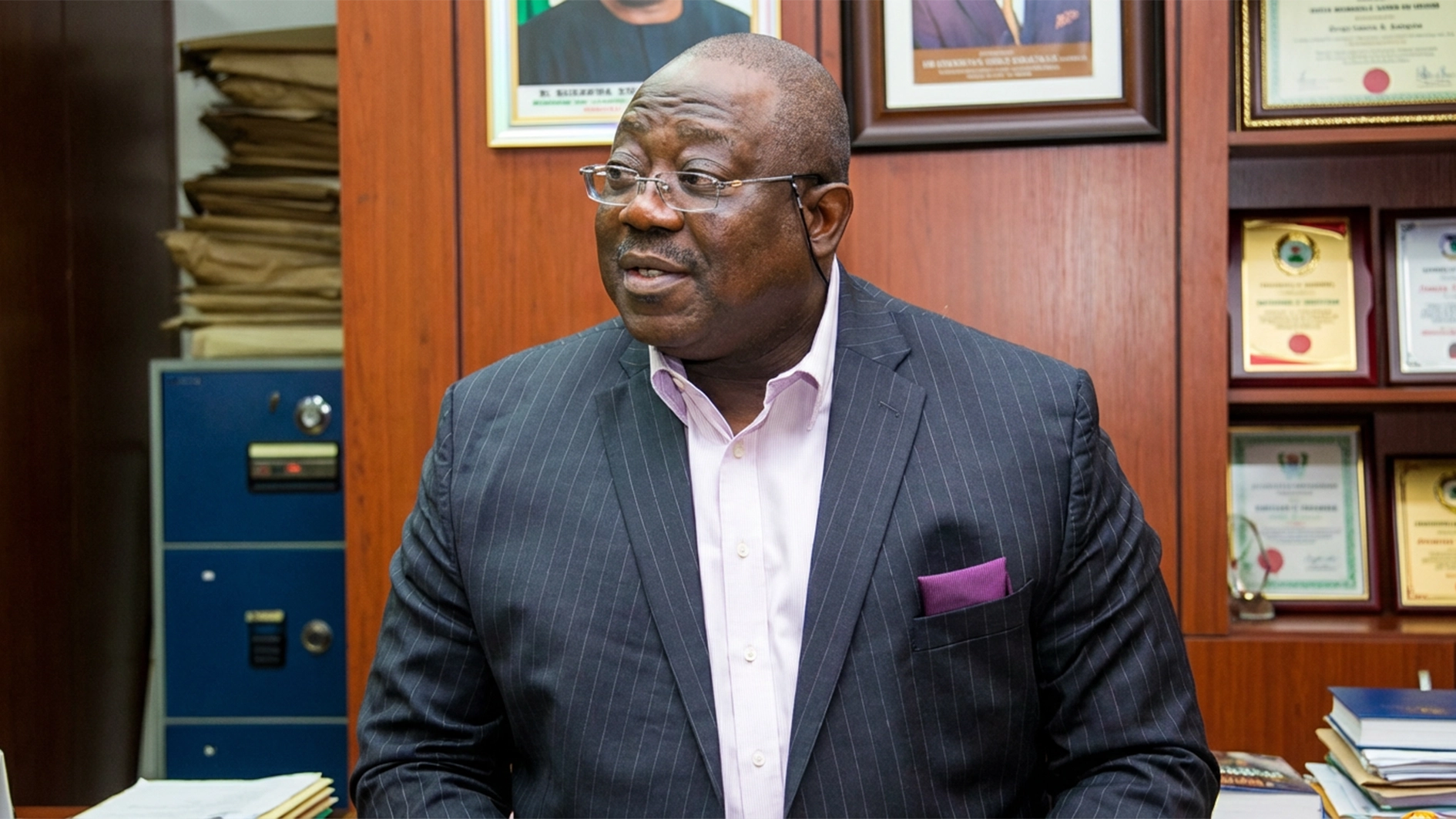
The Chairman of the Federal Civil Service Commission (FCSC), Prof. Tunji Olaopa
The Chairman of the Federal Civil Service Commission (FCSC), Prof. Tunji Olaopa

