 Follow Us on Google News
 Follow Us on Google Discover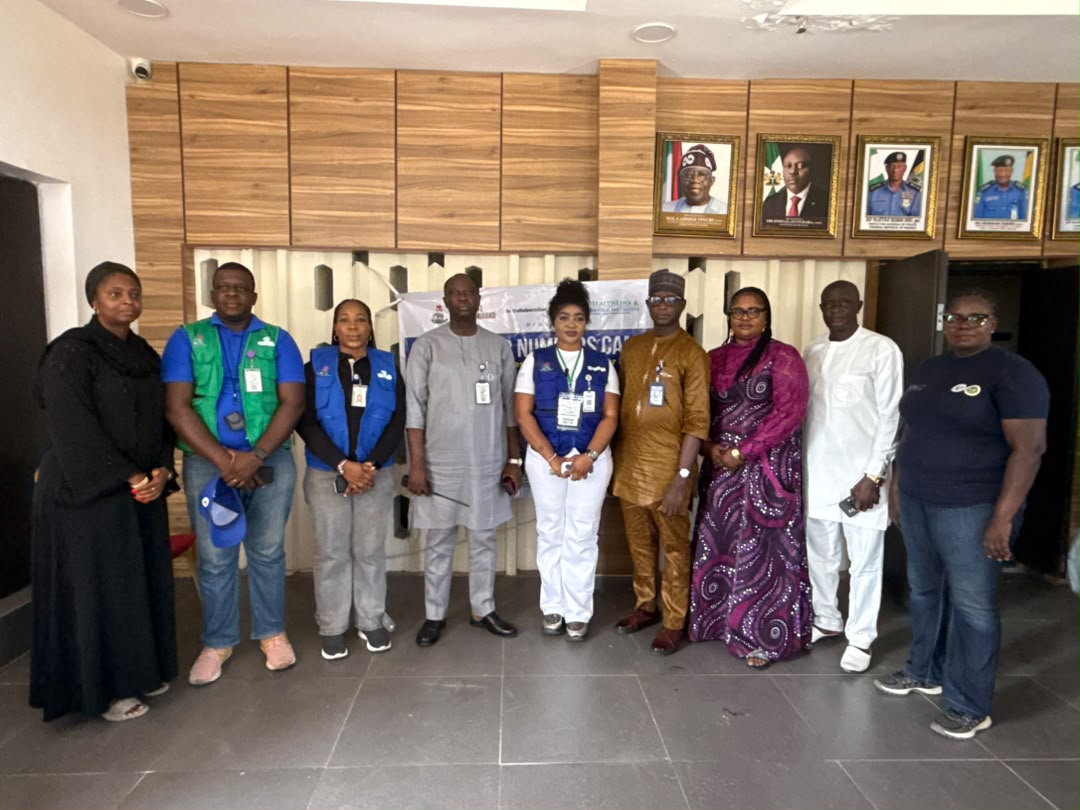
CAPTION: Cross-section of Telemedicine team and management team of Rivers State CID.
An initiative aimed at bridging gaps in medical personnel and healthcare infrastructure is using technology to promote health awareness and improve access to medical services among police officers serving as frontline respondents across Nigeria.
The programme, being implemented by the HealthLink and Bridge Initiative, was highlighted during its “Know Your Numbers” campaign at the State Criminal Investigation Department (SCID) of the Rivers State Police Command in Port Harcourt.
The initiative targets police personnel because of the peculiar demands of their duties, including frequent deployment to remote, riverine and security-sensitive locations where access to conventional healthcare services may be limited.
Founder and programme initiator of the organisation, Dr. Sylvia Okoro, said the Nigerian Police Force was deliberately selected as the first pilot group for the telemedicine technology because officers represent a critical part of Nigeria’s frontline population.
Okoro said police officers are often deployed to difficult and hard-to-reach areas where healthcare professionals may not be readily available, making it necessary to develop alternative systems that can take medical expertise closer to them.

She said the “Know Your Numbers” campaign was designed to help officers understand their health status and identify potential risks associated with non-communicable diseases, particularly hypertension and diabetes.
According to her, the demanding nature of police work, frequent transfers and deployment to sensitive locations make regular health monitoring essential.
“We feel that they actually represent a frontline section of the greater Nigerian population,” Okoro said.
She added that the initiative was also paying attention to mental health, noting that police officers are exposed to considerable psychological pressures in the course of their duties.
Okoro said the telemedicine system would allow officers to access specialist medical services remotely, including cardiology, psychiatry, endocrinology, dermatology and other areas.
The organisation is partnering with Australian company SK Telemed to deploy tele-diagnostic technology that connects healthcare workers in remote locations with medical specialists elsewhere.
She explained that a doctor could be based in Abuja, another part of Nigeria or abroad and still consult with an officer in a remote location in real time through the technology.
Also speaking, the Co-founder and Programmes Director of the HealthLink and Bridge Initiative, Seth Abolurin, said telemedicine should go beyond virtual consultations to include reliable diagnostic information.
He explained that while video consultations were becoming increasingly common, doctors still require diagnostic data to make sound clinical decisions.
“Many telemedicine platforms only provide video consultations. However, doctors cannot make informed clinical decisions without diagnostic data. That is the gap our model fills,” Abolurin said.
According to him, the organisation’s EDIS-to-Go Telehealth Medical System combines portable diagnostic devices with digital technology to capture patients’ vital signs, including blood pressure, blood glucose and body temperature.
He said the information is automatically transmitted to physicians remotely, allowing them to review patients’ health information in real time and provide clinically informed guidance.
Abolurin said the technology was particularly important for police officers who are constantly deployed to different locations.
He explained that trained healthcare workers could assess officers in the field, collect the required medical information and transmit the results to doctors who would review the data remotely and provide immediate guidance.
“This is particularly valuable for police personnel who are constantly deployed across different locations,” he said.
Abolurin described the project as one of the most comprehensive telemedicine systems currently being piloted in Nigeria.
He said the model could help overcome some of the medical and infrastructural deficiencies that make it difficult to deliver specialist healthcare to underserved and hard-to-reach communities.
The Deputy Commissioner of Police in charge of the State Criminal Investigation Department, DCP Titus Ayofeji, commended the initiative, describing it as a life-saving intervention for police officers.
Ayofeji also appreciated the Inspector-General of Police for supporting the programme, stressing that the welfare of police personnel was essential to effective service delivery.
“This programme is about saving lives. It shows that the Inspector-General of Police genuinely cares about the welfare of officers. We should not walk around without knowing our health status,” he said.
He said officers could only effectively protect and serve the public when they were healthy, adding that early detection of health conditions could prevent complications.
“It is only when you are healthy and alive that you can effectively serve the people. The benefits of this programme are enormous because it enables officers to know their health condition early and begin treatment before complications develop,” Ayofeji said.
He added that the initiative was also a preventive health intervention, as officers were educated on common diseases, healthy lifestyles, appropriate diets and the importance of seeking medical attention early.
However, dozens of police officers attached to the State Criminal Investigation Department participated in the medical screening during the outreach.
The organisers said the intervention would help strengthen preventive healthcare among police personnel while demonstrating how technology could bridge the gap created by shortages of medical professionals and infrastructure, particularly in hard-to-reach areas.

